12 October: Spain’s National Day and Día de la Hispanidad
Discover why Spain celebrates 12 October as its National Day, its history, the Día de la Hispanidad and what the holiday means in Catalonia.
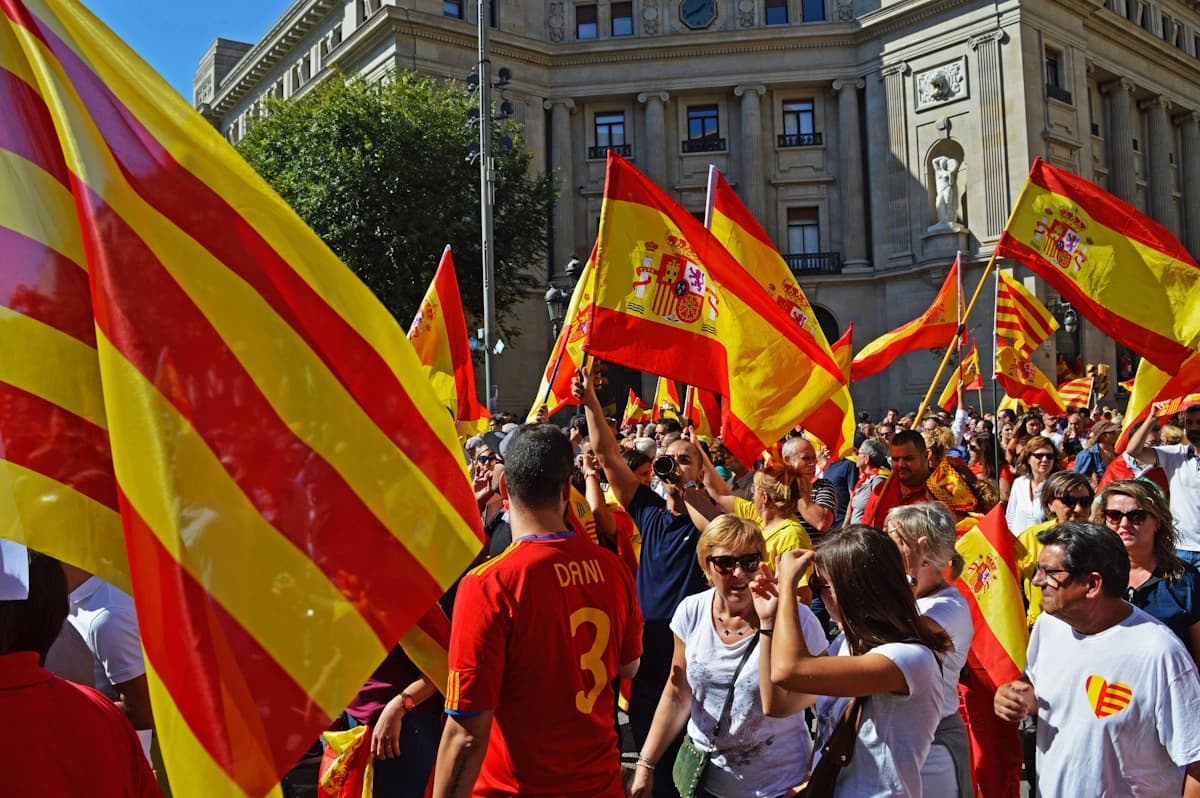
Every year on 12 October, Spain celebrates its National Day, known in Spanish as the Fiesta Nacional de España. The date is also commonly associated with the Día de la Hispanidad, reflecting Spain’s historical, linguistic and cultural connections with the Spanish-speaking world.
For visitors in Barcelona and elsewhere in Catalonia, 12 October is an important date to understand because it is a national public holiday, but it can also be viewed differently depending on people's political, historical and cultural perspectives.
Why is 12 October important?
The date goes back to 12 October 1492, when Christopher Columbus and his expedition reached the Americas after sailing west from Europe. The voyage had been supported by Queen Isabella I of Castile and King Ferdinand II of Aragon.
The event became a major turning point in world history, beginning centuries of contact, migration, trade, conquest and cultural exchange between Europe and the Americas.
Modern Spanish institutions describe the date as a historical moment connected with Spain's subsequent linguistic and cultural expansion beyond Europe. The current National Day law, however, deliberately places the commemoration within the broader history of Spain rather than defining it only through the 1492 voyage.
From Columbus Day to Spain's National Day
The celebration has changed its name and meaning over time.
In 1892, the Spanish government officially designated 12 October as a national celebration to mark the 400th anniversary of Columbus's voyage. In the early 20th century, the date became associated with terms such as Día de la Raza and later Día de la Hispanidad.
In 1918, the date was officially recognised as a national holiday. Later, during the 20th century, its symbolism became increasingly connected with Spain's relationship with Latin America and the wider Spanish-speaking world.
The modern legal framework dates from 1987. Law 18/1987 officially established 12 October as the Fiesta Nacional de España, explaining that the date was chosen to represent an important moment in Spain's historical development and its subsequent linguistic and cultural projection beyond Europe.
How is Spain's National Day celebrated?
The main official celebrations take place in Madrid. The best-known event is the annual military parade, attended by members of the Spanish royal family, government officials, military personnel and representatives of Spain's institutions.
The parade traditionally includes military units, aircraft and other elements of Spain's armed forces. Other official events and ceremonies take place around the country.
For most people, however, 12 October is simply a public holiday. Schools, many businesses and public institutions close, while restaurants, cafés, shops and tourist attractions may operate according to holiday schedules.
What about Barcelona and Catalonia?
12 October is also a public holiday in Catalonia. However, the date can have a different cultural and political resonance here compared with other parts of Spain.
Catalonia has its own national day, La Diada Nacional de Catalunya, celebrated on 11 September. That day commemorates the fall of Barcelona during the War of the Spanish Succession in 1714 and has become an important expression of Catalan identity.
As a result, 12 October does not have the same symbolic importance for everyone in Catalonia. Some residents celebrate Spain's national identity, while others treat the day simply as a holiday or do not identify strongly with its symbolism.
This makes Barcelona an interesting place to experience Spain's national day: the city is simultaneously part of Spain and home to a strong Catalan national and cultural identity.
Día de la Hispanidad
The expression Día de la Hispanidad is still widely used for 12 October, although the country's official legal name for the holiday is Fiesta Nacional de España.
Hispanidad refers broadly to the cultural and linguistic connections between Spain and the Spanish-speaking world. This includes countries across Latin America as well as communities elsewhere that share Spanish language and cultural traditions.
The idea is therefore broader than the history of Spain itself. It reflects centuries of connections between Spain, Europe and the Americas — connections that include language, religion, literature, food, migration and cultural exchange, but also colonialism, conquest and the profound consequences experienced by Indigenous peoples.
A complicated historical date
For modern visitors, it is useful to understand that 12 October is not interpreted in exactly the same way by everyone.
For many Spaniards, it is a national celebration and an opportunity to recognise Spain's institutions and international cultural connections. For others, particularly when discussing colonial history, the date can raise questions about conquest, colonisation and the treatment of Indigenous societies in the Americas.
The Spanish government itself describes the National Day as a commemoration of a complex historical past. The 1987 law specifically acknowledges the complexity of Spain's history while identifying 12 October as a date intended to represent a shared part of the country's historical and cultural heritage.
For visitors in Barcelona, the simplest way to understand 12 October is therefore as Spain's official National Day and a nationwide public holiday, with historical connections to the 1492 voyage of Columbus and to the wider Spanish-speaking world.
It is also a reminder that Spain is a culturally diverse country, and that national identity can mean different things to different people.
Ready to explore Barcelona?
Build your personalised itinerary in 30 seconds — starting from your hotel.
Build my Barcelona route →Related articles

Oktoberfest Barcelona: Bavaria Meets Barcelona at La Wiesn
Oktoberfest Barcelona brings Bavarian beer, food, music and traditions to La Wiesn, with a distinctly Mediterranean atmosphere.
4 Oct 2026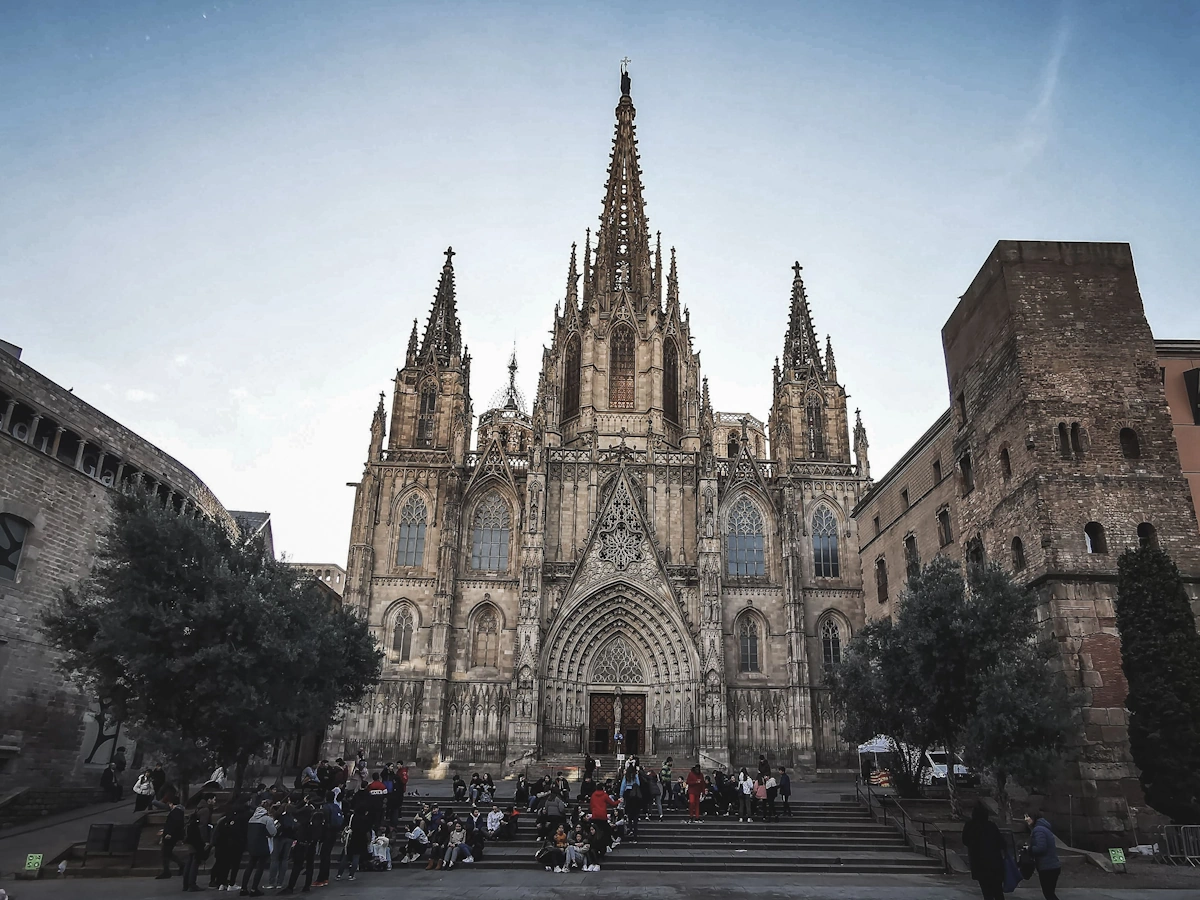
Catedral de Barcelona: History, Construction and Interesting Facts
Discover Barcelona Cathedral’s history, from its ancient foundations and Gothic construction to its Neo-Gothic façade, famous figures and fascinating facts.
2 Oct 2026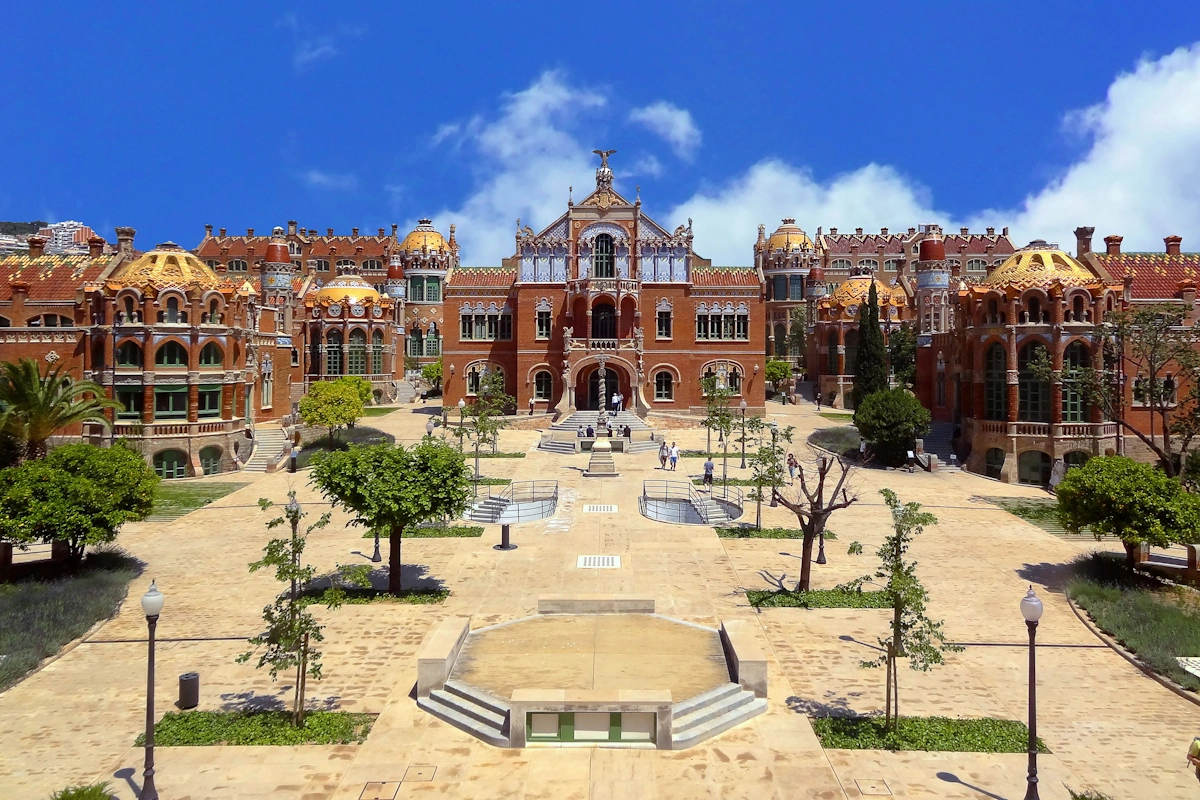
Hospital de Sant Pau Barcelona: History, Architecture and Legacy
Discover Hospital Sant Pau Barcelona, from its medieval origins and Modernista architecture to its medical history, UNESCO status and present-day role.
1 Oct 2026
Comments
Comments
Loading comments...
Sign in to leave a comment