Hospital de Sant Pau Barcelona: History, Architecture and Legacy
Discover Hospital Sant Pau Barcelona, from its medieval origins and Modernista architecture to its medical history, UNESCO status and present-day role.
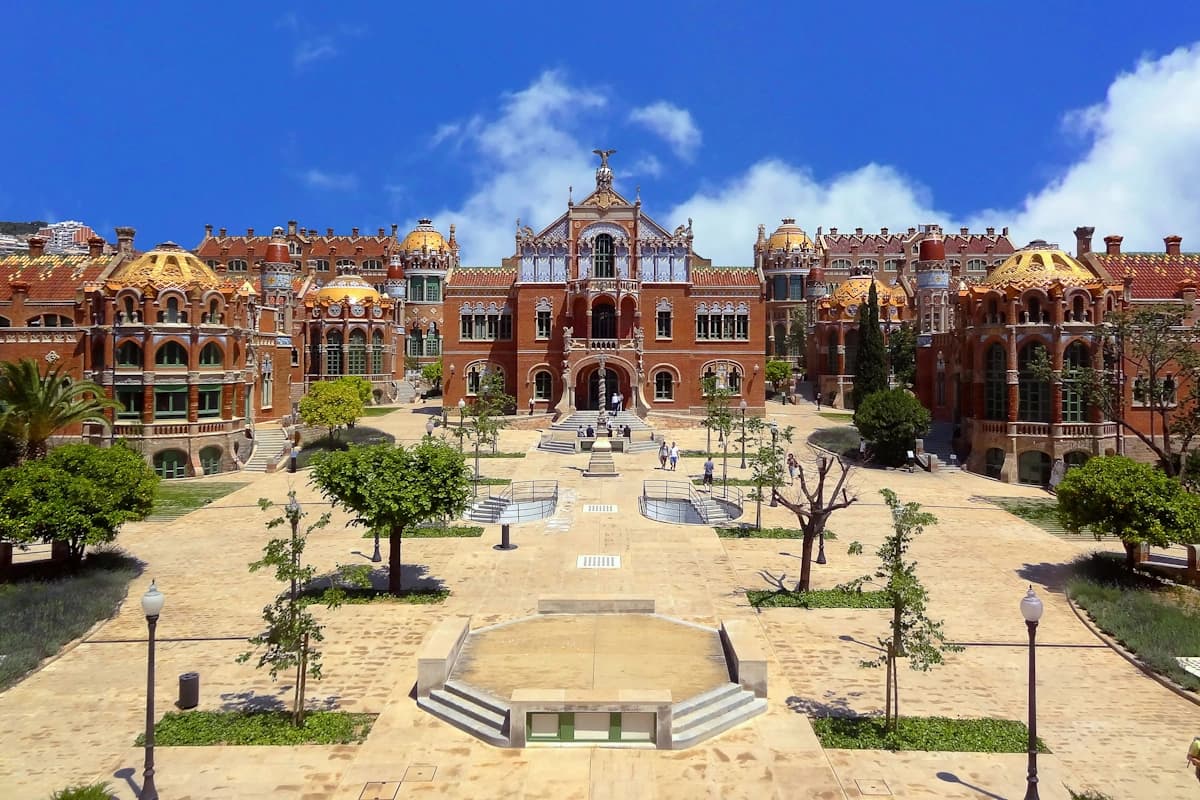
The Hospital de Sant Pau is one of Barcelona’s most remarkable buildings, but it is more than an architectural landmark. For most of the 20th century, it was a functioning hospital where generations of Barcelonans received medical care. Today, its historic buildings form one of the most important examples of Catalan Modernisme and are recognised as a UNESCO World Heritage Site.
Located on Avinguda de Sant Antoni Maria Claret, close to the Sagrada Família, Sant Pau combines colourful mosaics, sculpture, gardens and elaborate façades with an innovative approach to hospital design.
A Hospital With Medieval Origins
Although the Modernista buildings date mainly from the 20th century, the history of the institution goes much further back. The present hospital grew from the Hospital de la Santa Creu, founded in Barcelona in 1401 through the union of several older hospitals. In 2026, the institution is marking 625 years since that foundation.
The name Sant Pau came from a major donation by the Catalan banker Pau Gil, who left instructions in his will for a new hospital to be built in Barcelona. His conditions called for an institution incorporating advanced ideas in medicine, technology and architecture.
The project was eventually entrusted to Lluís Domènech i Montaner, one of the leading architects of Catalan Modernisme. Construction began in 1902 and continued for decades. After Domènech i Montaner's death in 1923, his son, Pere Domènech i Roura, continued the work. King Alfonso XIII officially inaugurated the completed hospital in 1930.
Lluís Domènech i Montaner and His Architectural Vision
Domènech i Montaner designed Sant Pau as something very different from the traditional large hospital block.
He organised the complex as a series of separate pavilions surrounded by gardens. The buildings were connected by underground tunnels, allowing doctors, patients, staff and supplies to move around the complex without constantly crossing outdoor areas. His original plan contained 48 buildings, although only 27 were eventually constructed, with 16 following his original Modernista design.
The design reflected the developing hygienist ideas of modern medicine. Natural light, fresh air, ventilation, open space and gardens were considered important for patients' recovery. Each pavilion could also be dedicated to a particular medical speciality.
This combination of medical functionality and artistic decoration was highly innovative. UNESCO describes Sant Pau as the largest hospital complex in the Modernista style and highlights Domènech i Montaner's solutions to problems such as ventilation, hygiene and the organisation of medical specialities.
A Masterpiece of Catalan Modernisme
Architecturally, Sant Pau is unmistakably Modernista. Its façades combine brick, stone, ceramic tiles, stained glass, sculpture and elaborate ornamental details.
One of the most impressive buildings is the Administration Pavilion, whose main façade contains an extensive decorative programme. Its mosaics and sculptures combine religious, historical and medical themes. A historical frieze on the building tells the story of both the medieval Hospital de la Santa Creu and the modern hospital created through Pau Gil's legacy.
Ready to explore Barcelona?
Build your personalised itinerary in 30 seconds — starting from your hotel.
Build my Barcelona route →Related articles

12 October: Spain’s National Day and Día de la Hispanidad
Discover why Spain celebrates 12 October as its National Day, its history, the Día de la Hispanidad and what the holiday means in Catalonia.
8 Oct 2026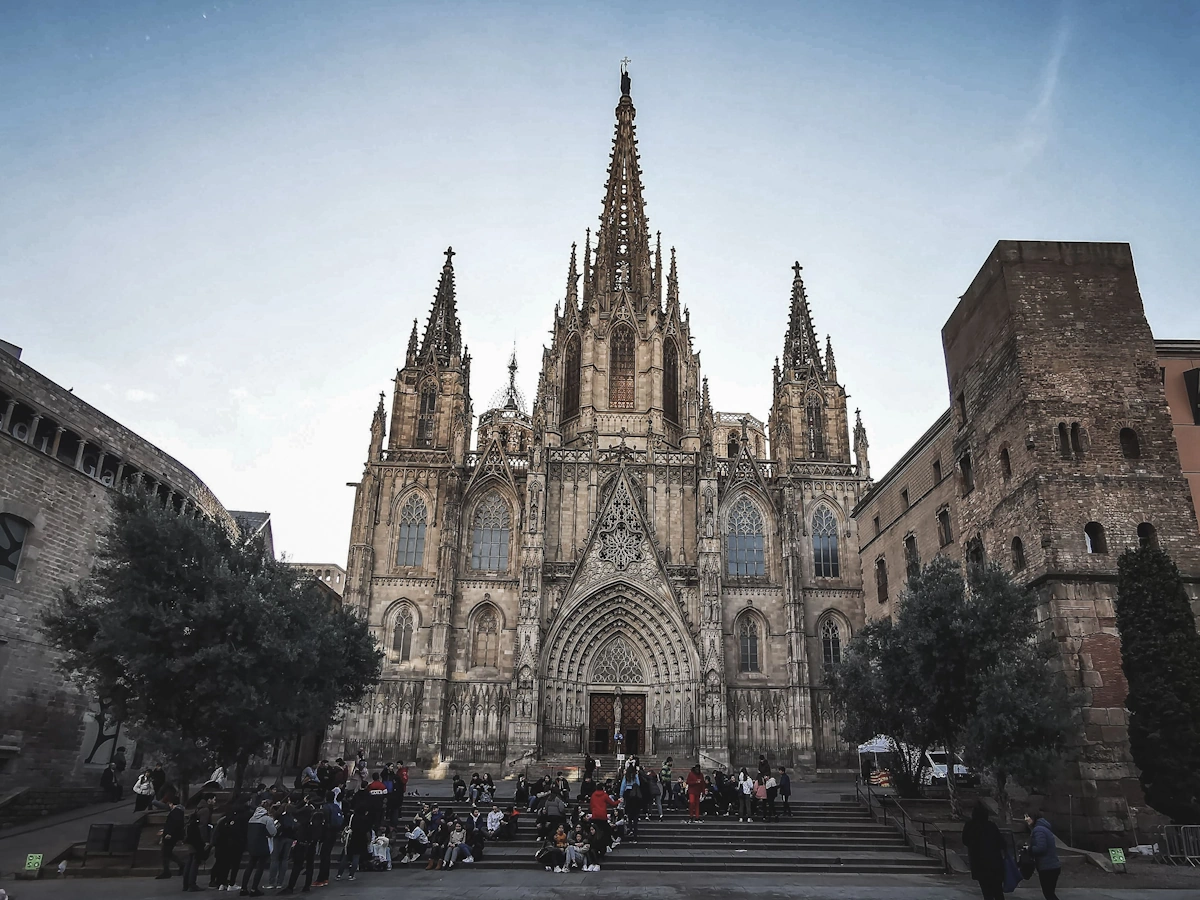
Catedral de Barcelona: History, Construction and Interesting Facts
Discover Barcelona Cathedral’s history, from its ancient foundations and Gothic construction to its Neo-Gothic façade, famous figures and fascinating facts.
2 Oct 2026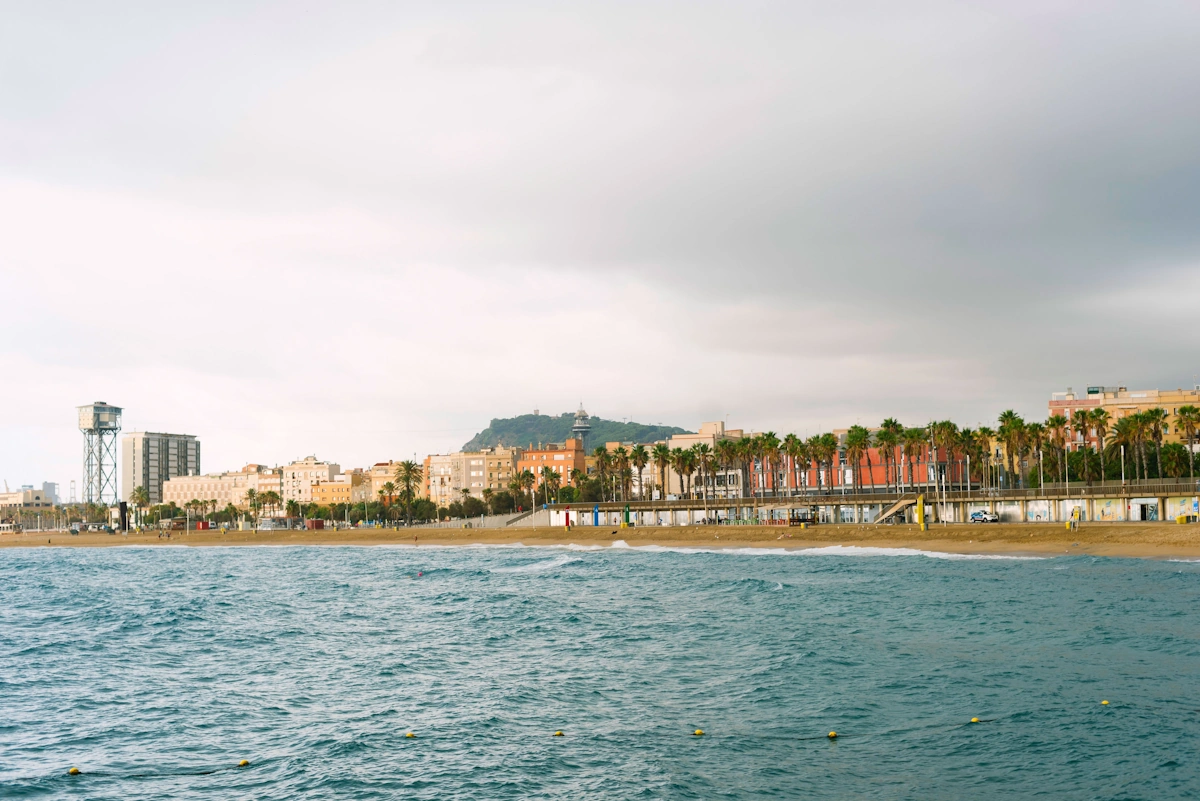
La Barceloneta: History of Barcelona’s Seaside Neighbourhood
Discover La Barceloneta’s history, from its 18th-century origins and fishing community to industry, the Franco period and modern Barcelona.
28 Sept 2026
Comments
Comments
Loading comments...
Sign in to leave a comment