Catedral de Barcelona: History, Construction and Interesting Facts
Discover Barcelona Cathedral’s history, from its ancient foundations and Gothic construction to its Neo-Gothic façade, famous figures and fascinating facts.
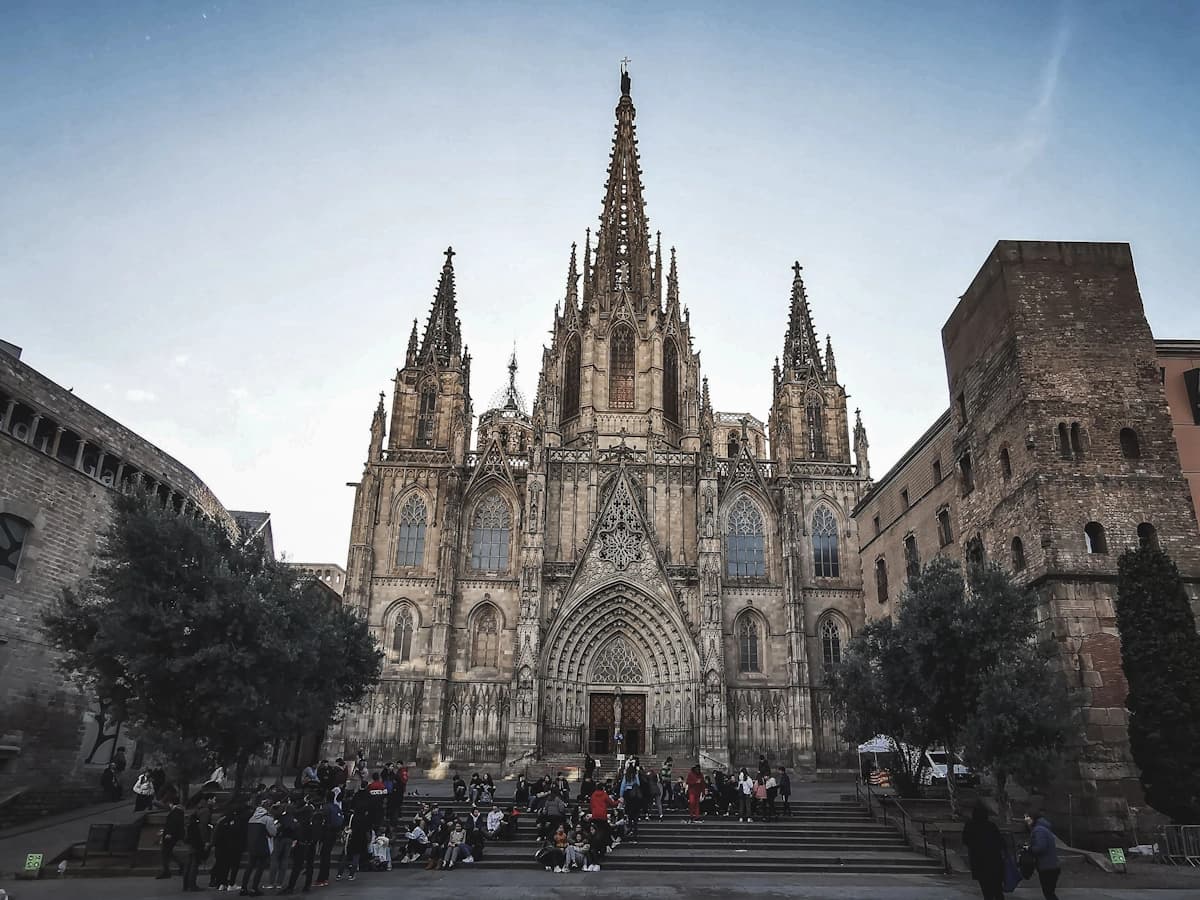
The Catedral de la Santa Creu i Santa Eulàlia, usually called Barcelona Cathedral or simply La Seu, stands at the heart of Barcelona’s Gothic Quarter. It is one of the city's most important historic buildings and has a history stretching back well before the Gothic cathedral visible today.
Its present structure is predominantly Gothic, but the site has been used for Christian worship for many centuries. Today, the cathedral remains an important religious building, a major example of Catalan Gothic architecture and one of the defining monuments of Barcelona's historic centre.
Ancient Origins
The history of the cathedral site goes back to at least the early Christian period. Archaeological evidence indicates that a Paleo-Christian basilica existed here, traditionally dated to the 4th century. A later Romanesque cathedral was built on the site and consecrated in 1058 by Archbishop Wifred of Narbonne.
The current cathedral was constructed over the foundations of these earlier churches. This means that when visitors enter La Seu today, they are standing above layers of Barcelona's religious and urban history.
The cathedral is dedicated to the Holy Cross and Saint Eulàlia, Barcelona's patron saint. According to Christian tradition, Saint Eulàlia was a young Christian martyr associated with Barcelona during the Roman period.
Construction of the Gothic Cathedral
Construction of the present Gothic cathedral began on 1 May 1298, during the reign of King James II of Aragon and the episcopate of Bishop Bernat Pelegrí. The project took approximately 150 years, with different parts completed at different times.
The builders worked from the eastern end towards the west. First came the apse, radial chapels, presbytery, crypt and parts of the transept. The three naves and their side chapels were then extended towards the entrance.
By 1417, the main body of the cathedral had reached the façade, but the magnificent Gothic entrance that visitors see today did not yet exist. Instead, the western end was closed by a relatively simple wall. The cloister was finally completed in 1448, marking the end of the main medieval construction period.
The interior is a particularly good example of Catalan Gothic architecture, with a broad central nave and two side aisles of considerable height. The design relies on large, elegant pillars and relatively restrained decoration compared with some northern European Gothic cathedrals.
The Façade Was Built Centuries Later
One of the most interesting facts about Barcelona Cathedral is that its impressive main façade is not medieval.
For centuries, the cathedral retained the much simpler western wall. A medieval architect from Rouen known as Master Carlí had produced a design for a grand Gothic façade in the early 15th century, but it was never built, probably because of financial limitations.
The situation changed in the late 19th century. Barcelona industrialist and banker Manuel Girona i Agrafel decided to finance the completion of the façade. Architect Josep Oriol Mestres developed the project using the surviving medieval design as an important reference.
The new Neo-Gothic façade was completed around 1890, while further work added the side towers and later the central lantern tower, or cimbori. Architect August Font directed the later phase, and the central tower was completed in 1913.
This explains why the cathedral can look completely medieval from a distance while actually containing a striking 19th- and early-20th-century Neo-Gothic façade.
Famous People and Historical Connections
Over the centuries, Barcelona Cathedral has been closely connected with bishops, kings, nobles and important civic figures.
King James II of Aragon was ruling when construction began in 1298, while King Alfonso V of Aragon was on the throne when the Gothic building was substantially completed. Bishop Francesc Climent Sapera, who served as bishop in two periods during the early 15th century, was an important patron of the cathedral's final medieval construction phase.
The cathedral has also been an important setting for religious ceremonies, royal occasions and major events in Barcelona's history. Its location beside the Episcopal Palace, the old Roman city and the medieval streets of the Gothic Quarter placed it at the centre of both religious and civic life.
Interesting Facts
-
The cathedral took about 150 years to build, from 1298 to the completion of the medieval complex in 1448.
-
The main façade is much newer than the rest of the Gothic building.
-
The cathedral has a cloister famous for its 13 white geese, traditionally associated with Saint Eulàlia.
-
The crypt contains the sarcophagus of Saint Eulàlia.
-
The building incorporates remains and structures connected with earlier Christian churches on the site.
-
The cathedral's façade and central tower were completed only in the early 20th century.
-
Its construction was supported by medieval brotherhoods and guilds, reflecting the importance of the cathedral to Barcelona's wider urban community.
Why Barcelona Cathedral Is Important
La Seu is important not simply because it is old, but because it represents several different periods of Barcelona's history in one place. Its foundations connect with the city's early Christian past; its main structure represents the power and ambition of medieval Barcelona; and its later Neo-Gothic façade reflects the cultural and economic revival of the city in the late 19th century.
Standing in the Gothic Quarter today, the cathedral remains both a functioning place of worship and a major cultural monument. Its long construction history, unusual mixture of medieval and modern elements, and connection with Saint Eulàlia make it one of the essential historic buildings to understand Barcelona.
Ready to explore Barcelona?
Build your personalised itinerary in 30 seconds — starting from your hotel.
Build my Barcelona route →Related articles
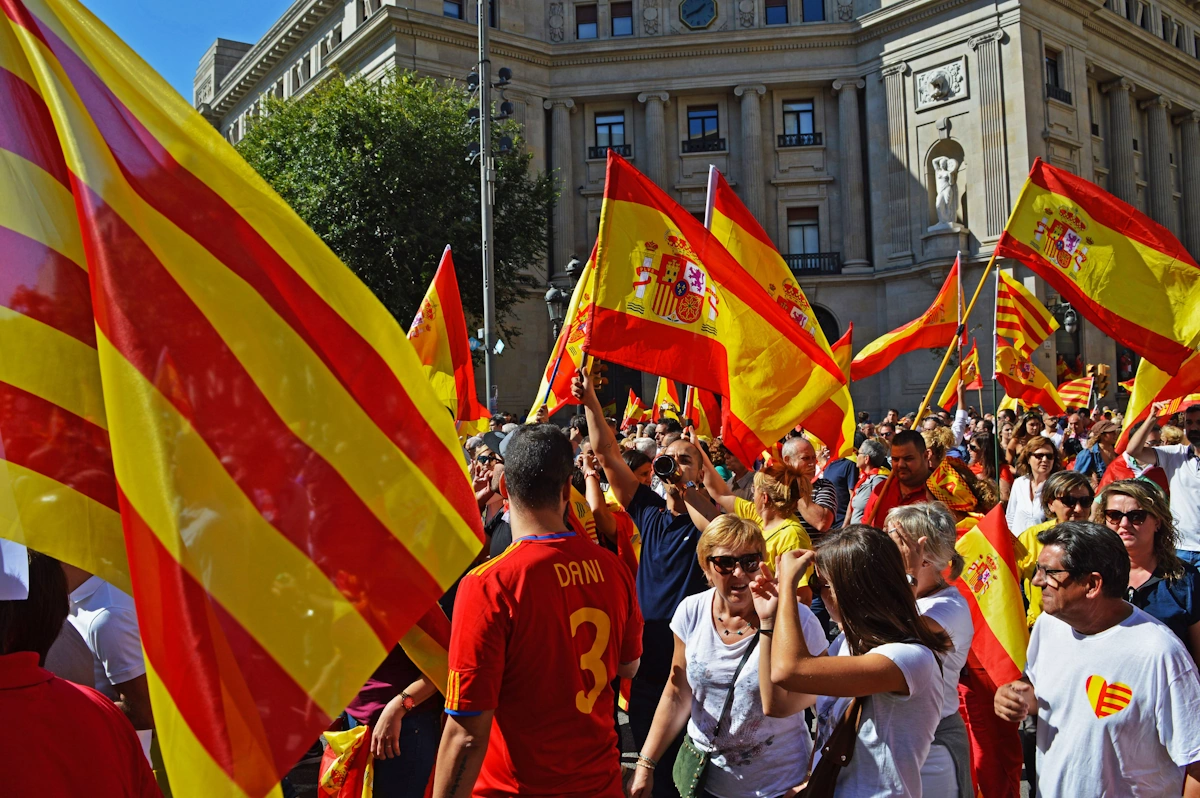
12 October: Spain’s National Day and Día de la Hispanidad
Discover why Spain celebrates 12 October as its National Day, its history, the Día de la Hispanidad and what the holiday means in Catalonia.
8 Oct 2026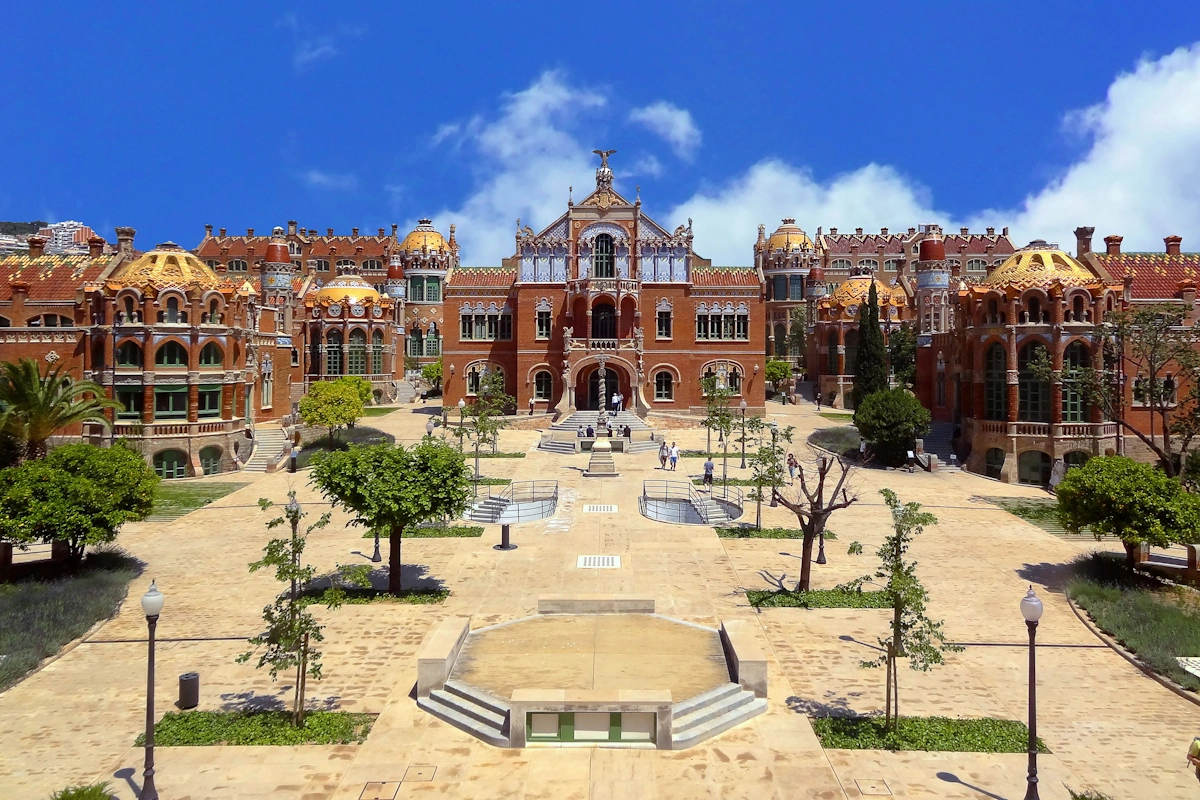
Hospital de Sant Pau Barcelona: History, Architecture and Legacy
Discover Hospital Sant Pau Barcelona, from its medieval origins and Modernista architecture to its medical history, UNESCO status and present-day role.
1 Oct 2026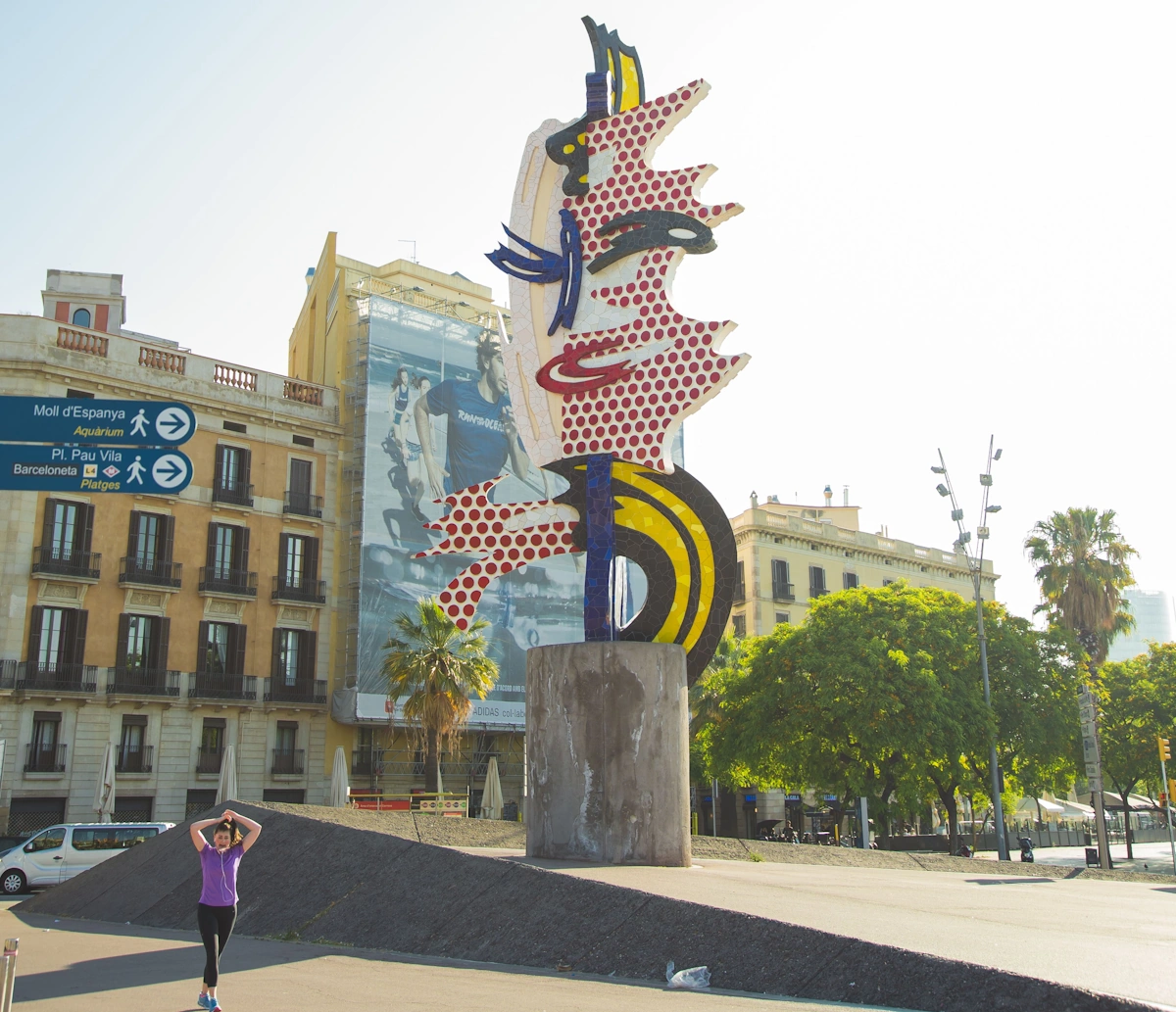
Joan Miró: Life, Work, Recognition and Legacy
Discover Joan Miró’s life, artistic journey, international recognition and lasting legacy in Barcelona, Catalonia and the world.
29 Sept 2026
Comments
Comments
Loading comments...
Sign in to leave a comment