Allioli: The Garlic Sauce at the Heart of Catalan Cuisine
Discover the history of allioli, the famous Catalan garlic and olive oil sauce. Learn how this simple Mediterranean recipe became an essential part of Catalan and Spanish cuisine and gained worldwide popularity.
Allioli: A Simple Sauce with a Long History
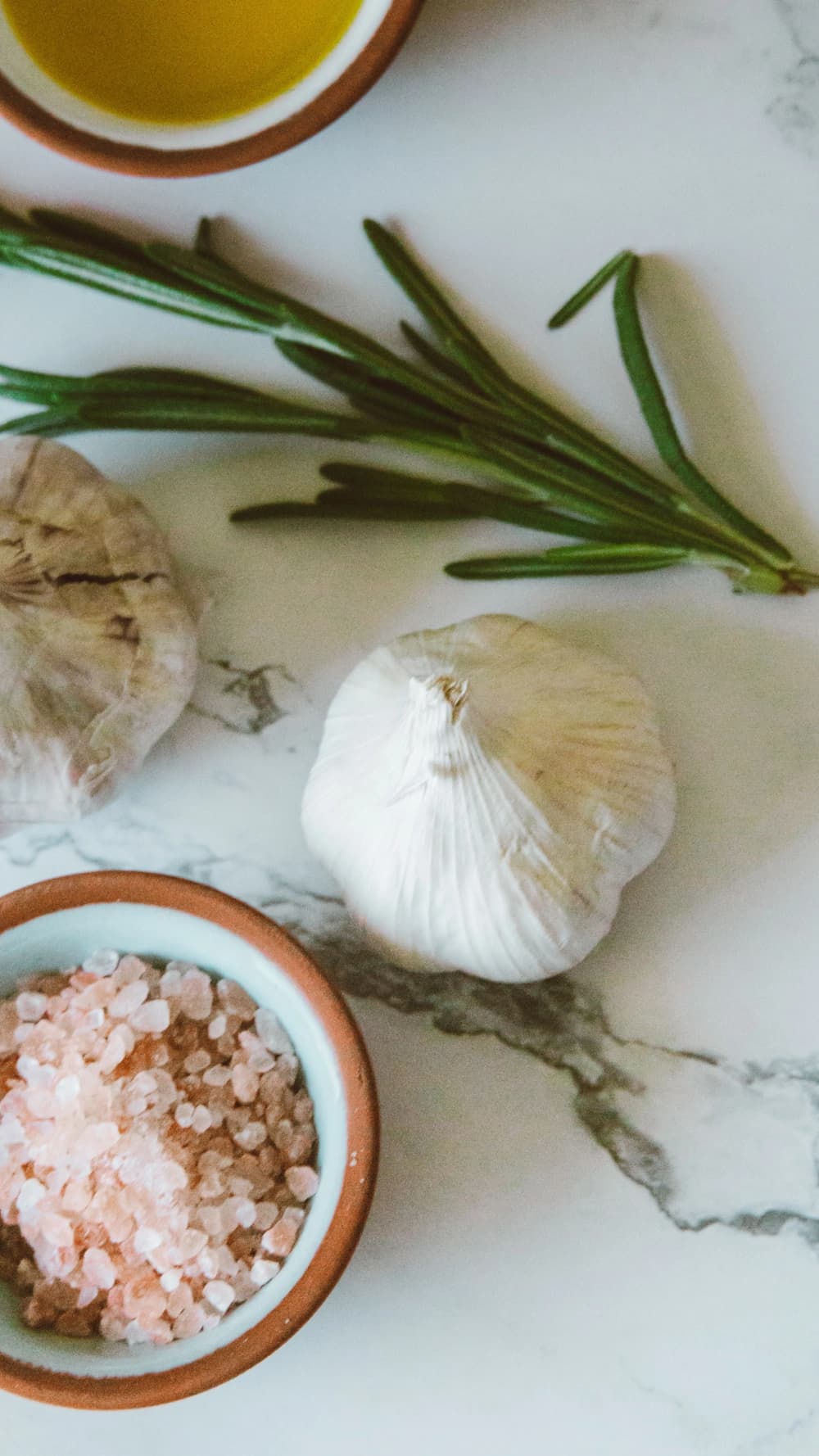
Few sauces are as simple, distinctive and closely connected to Catalan cuisine as allioli. Made traditionally from just garlic, salt and olive oil, this thick and powerful sauce has been part of Mediterranean food culture for centuries. Its name says exactly what it contains: all means garlic and oli means oil in Catalan.
The exact origin of allioli is difficult to establish. Similar combinations of garlic and oil existed in the ancient Mediterranean, and some historians connect them with Roman cuisine. Written evidence for preparations resembling allioli also appears in medieval Catalan cookbooks. The Llibre de Sent Soví, one of the oldest surviving Catalan cookbooks, dates from the 14th century and contains recipes using garlic-based preparations.
The Traditional Catalan Method
Traditional allioli is made with a mortar and pestle. Garlic cloves are crushed with salt until they become a smooth paste. Olive oil is then added very slowly while the mixture is continuously stirred. When prepared correctly, the garlic and oil form a thick emulsion with an intense flavour.
This method is important because traditional Catalan allioli does not need egg. Modern versions and commercial sauces often resemble garlic mayonnaise and may contain egg yolk, lemon juice or other ingredients. The classic Catalan version relies on the garlic itself to help create the emulsion.
An Essential Part of Catalan Food
In Catalonia, allioli is much more than a dipping sauce. It accompanies grilled meat, fish, vegetables and potatoes and is particularly associated with dishes such as butifarra with white beans, grilled meats, cod and rice dishes. It is also traditionally served with fideuà and other Mediterranean seafood preparations.
Its strong flavour makes it especially useful with simple foods. A little allioli can transform potatoes, vegetables or grilled meat into a much richer dish. It also reflects the basic character of Mediterranean cooking: high-quality local ingredients, strong flavours and relatively simple preparation.
From Catalonia to the World
Today, allioli and its relatives are recognised far beyond Catalonia. Similar garlic-and-oil sauces are found across the Mediterranean, while French aïoli has become particularly well known internationally. Modern restaurants use garlic sauces inspired by allioli with seafood, burgers, vegetables, grilled meats and potatoes.
The sauce has therefore travelled far beyond its traditional home while keeping its Mediterranean identity. In Catalonia, however, allioli remains something more personal. It is connected with family meals, traditional recipes and the ritual of preparing food by hand.
What makes allioli remarkable is precisely its simplicity. Two main ingredients—garlic and olive oil—can create a sauce with such a strong character that it has survived for centuries and become recognised around the world. For visitors to Catalonia, tasting authentic allioli is a small but memorable way to experience the region's culinary heritage.
Ready to explore Barcelona?
Build your personalised itinerary in 30 seconds — starting from your hotel.
Build my Barcelona route →Related articles
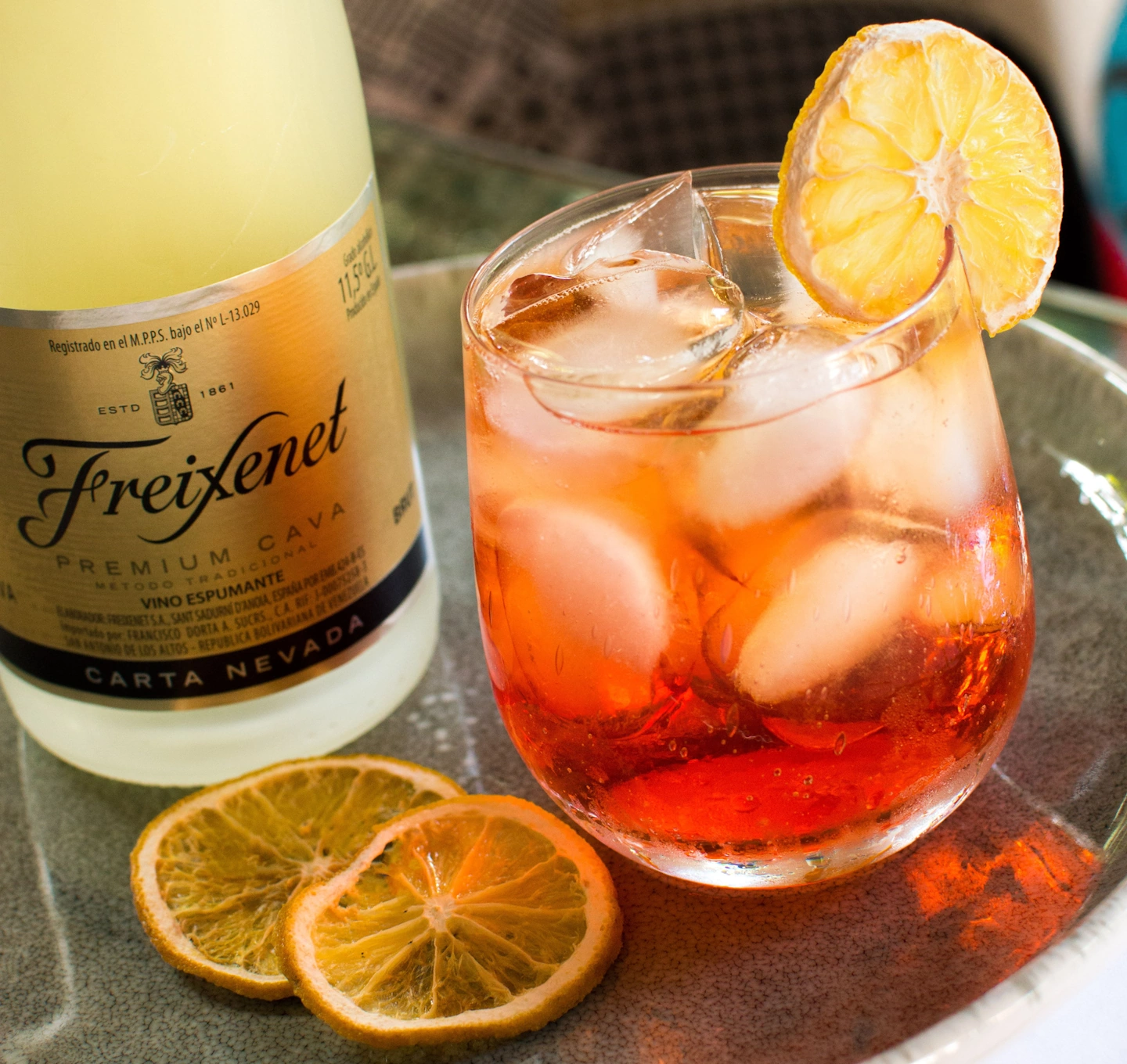
Cava: History, Production and the Difference Between Cava, Prosecco and Champagne
Discover the history of Cava, Catalonia’s famous sparkling wine, and learn why it is called Cava. Find out where most Cava is produced and the differences between Cava, Prosecco and Champagne.
15 Sept 2026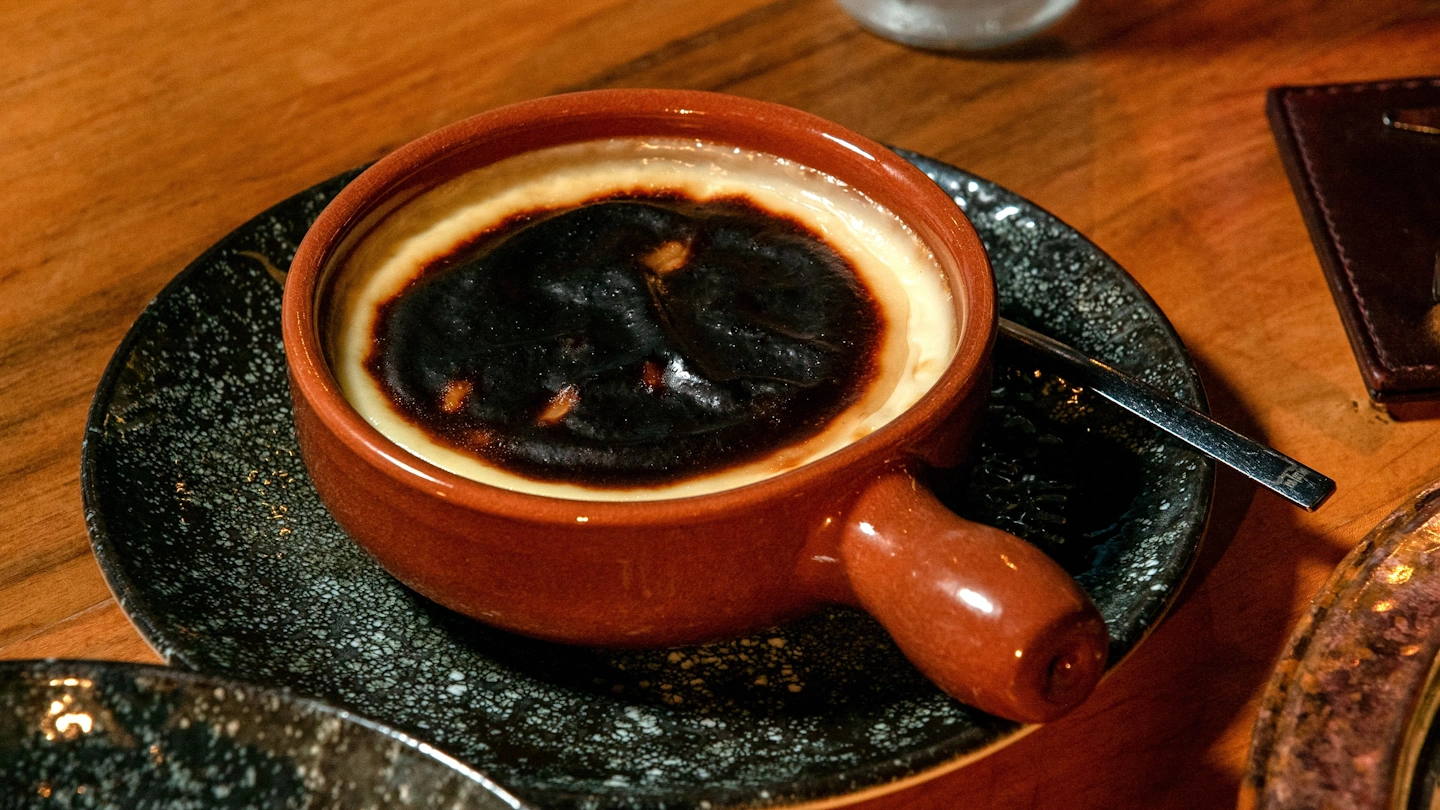
Crema Catalana: History, Tradition and Recipe
Discover the history of crema catalana, one of Catalonia’s most famous desserts. Learn how it developed from medieval Catalan cooking, how it differs from crème brûlée, and how to make the traditional recipe at home.
13 Sept 2026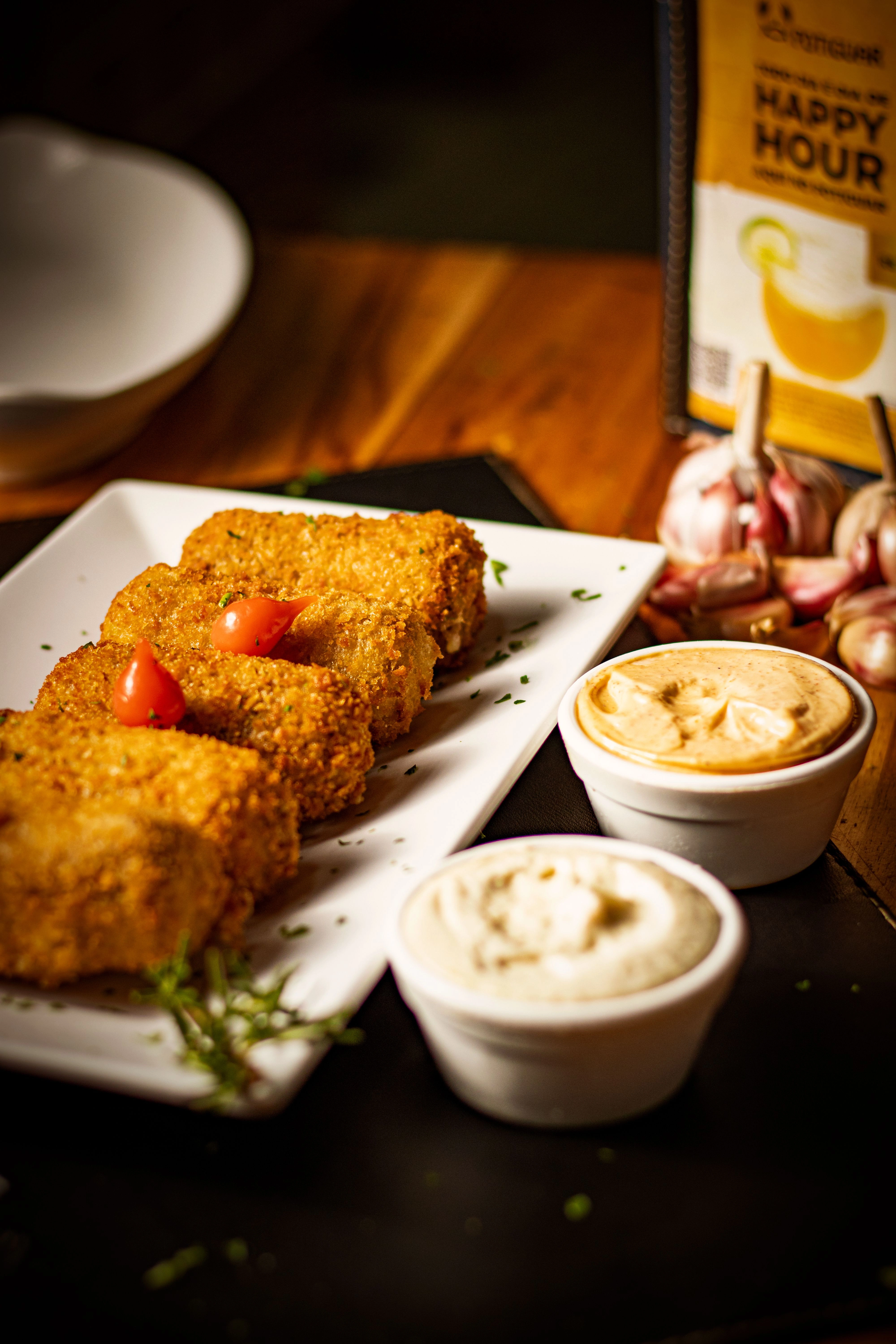
Spanish Croquetas: A Small Bite with a Big Heritage
Discover the history of Spanish croquetas, from their French origins to their place in Spanish tapas culture. Learn why these crispy, creamy bites have become a symbol of Spanish home cooking and culinary creativity.
23 Aug 2026
Comments
Comments
Loading comments...
Sign in to leave a comment