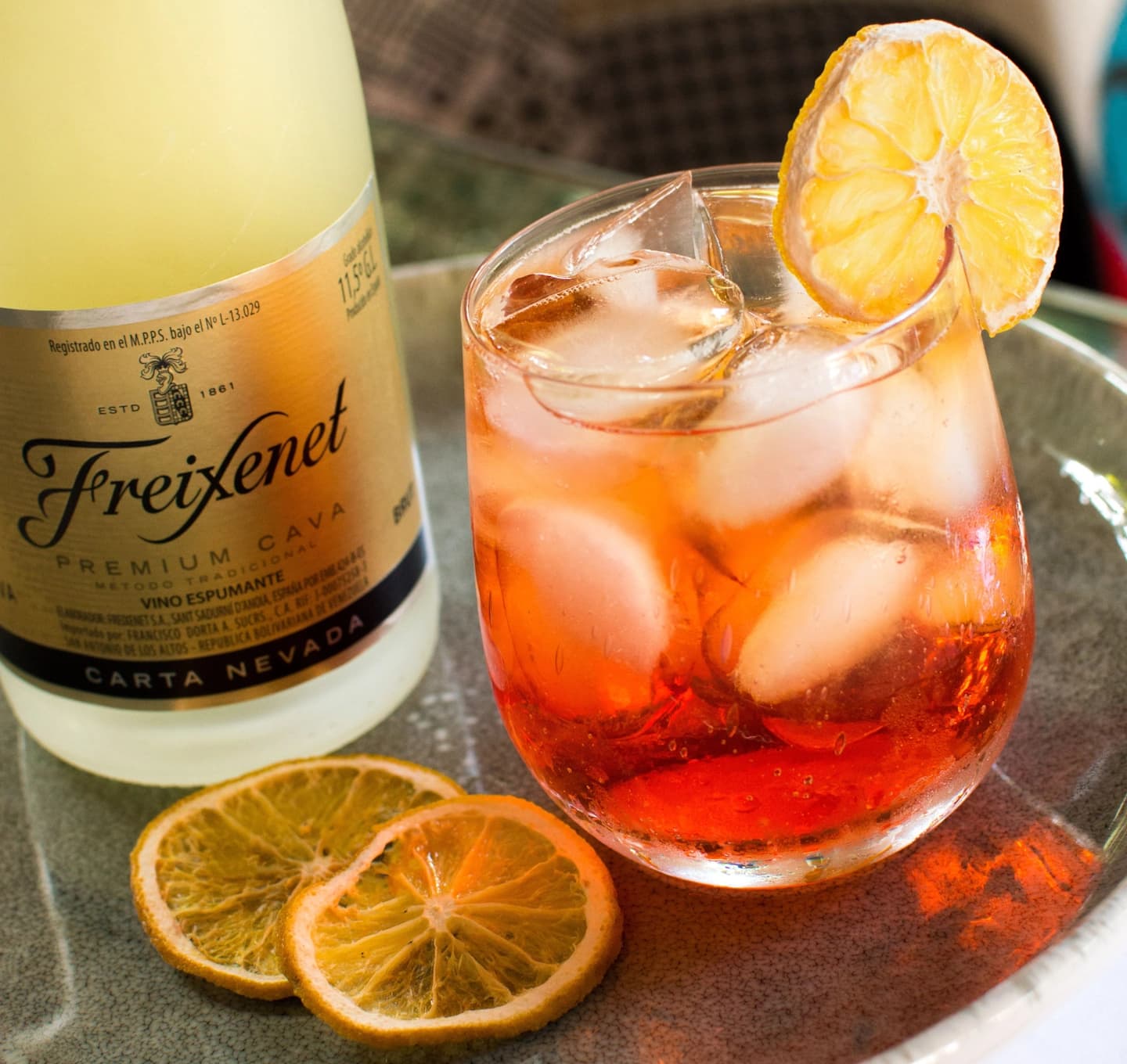
Cava: History, Production and the Difference Between Cava, Prosecco and Champagne
Discover the history of Cava, Catalonia’s famous sparkling wine, and learn why it is called Cava. Find out where most Cava is produced and the differences between Cava, Prosecco and Champagne.
What Is Cava?
Cava is Spain’s best-known traditional-method sparkling wine and has a particularly strong connection with Catalonia. It is made by carrying out a second fermentation inside the bottle, the same fundamental method used for Champagne.
Cava can be white or rosé and is produced in several areas of Spain, but its historic heart is Penedès, south of Barcelona. In particular, the town of Sant Sadurní d’Anoia is regarded as the capital of Cava. More than 95% of Cava production is concentrated in the Comtats de Barcelona area, which includes Sant Sadurní d’Anoia.
Where Is Most Cava Produced?
Although the Cava Designation of Origin includes municipalities in different parts of Spain, Catalonia dominates production. The vineyards and wineries around Sant Sadurní d’Anoia and the wider Penedès area are at the centre of the industry.
The principal traditional grapes are Macabeo, Xarel·lo and Parellada. Together, these varieties have played a major role in giving Cava its distinctive identity. Other authorised varieties include Chardonnay and several other grapes.
Sant Sadurní d’Anoia became the centre of Cava production after the first successful experiments with traditional-method sparkling wine in the area.
The History of Cava
The story of Cava begins in the 19th century, at a time when Catalan winemakers were looking for new opportunities and experimenting with sparkling wine.
In 1872, Josep Raventós produced the first bottles using the traditional method at the Codorníu winery in Sant Sadurní d’Anoia. The wine underwent a second fermentation in the bottle, creating its characteristic bubbles.
The development of Cava was helped by the phylloxera epidemic, which devastated vineyards across Europe during the late 19th century. In Penedès, vineyards were replanted and many producers increasingly concentrated on suitable white grape varieties. This helped establish the style of wine that would become Cava.
The name itself came later. The word Cava appeared in an official document in 1959, while the Spanish regulatory framework formally protected the name in the 1970s and 1980s. In 1986, Spanish legislation reserved the name Cava for quality sparkling wines made by the traditional method within the designated production region.
Why Is It Called Cava?
The name Cava comes from the Catalan and Spanish word cava, meaning an underground cellar or storage area.
These cool underground spaces were traditionally used to mature sparkling wine. The name eventually became associated with the wine itself. Today, Cava is a protected designation, rather than simply a general name for Spanish sparkling wine.
Cava vs Champagne
The biggest similarity between Cava and Champagne is the traditional method. Both undergo their second fermentation inside the bottle. This process helps create fine bubbles and allows the wine to develop additional aromas during ageing.
The major difference is where they come from and the grapes traditionally used.
Champagne can only come from the Champagne region of France, while Cava is a Spanish protected designation. Champagne traditionally relies heavily on Chardonnay, Pinot Noir and Meunier, whereas Cava is strongly associated with Macabeo, Xarel·lo and Parellada.
Cava can therefore have a different character, often showing fresh citrus and orchard-fruit flavours alongside the mineral and yeasty notes associated with bottle fermentation.
Cava vs Prosecco
Cava and Prosecco are also quite different in production.
Prosecco comes from Italy, particularly the Veneto and Friuli-Venezia Giulia regions, and is normally produced using the tank method, in which the second fermentation takes place in a pressurised tank rather than in each individual bottle.
Cava uses the traditional method, with the second fermentation taking place inside the bottle.
This difference can influence the character of the wines. Prosecco is often fresh, fruity and floral, while Cava can develop more complex bread, biscuit and pastry notes, particularly when it has been aged for longer.
Why Is Cava Important to Catalonia?
Cava is much more than a sparkling wine in Catalonia. It is an important part of the region's wine-making heritage, agriculture and local economy.
The vineyards around Penedès have shaped the landscape, while generations of families have built wineries and businesses around Cava production. The wine is also closely associated with celebrations: Christmas, weddings, birthdays, family meals and New Year's Eve.
At the same time, Cava is increasingly enjoyed as an everyday food wine. Its acidity and bubbles make it suitable not only for toasting but also for accompanying seafood, rice dishes, tapas, poultry and many other foods.
For visitors to Catalonia, a trip through the Penedès and Sant Sadurní d’Anoia offers a chance to see where this distinctive sparkling wine is made and understand why Cava has become one of the most recognisable products of Catalan wine culture.
Ready to explore Barcelona?
Build your personalised itinerary in 30 seconds — starting from your hotel.
Build my Barcelona route →Related articles

12 October: Spain’s National Day and Día de la Hispanidad
Discover why Spain celebrates 12 October as its National Day, its history, the Día de la Hispanidad and what the holiday means in Catalonia.
8 Oct 2026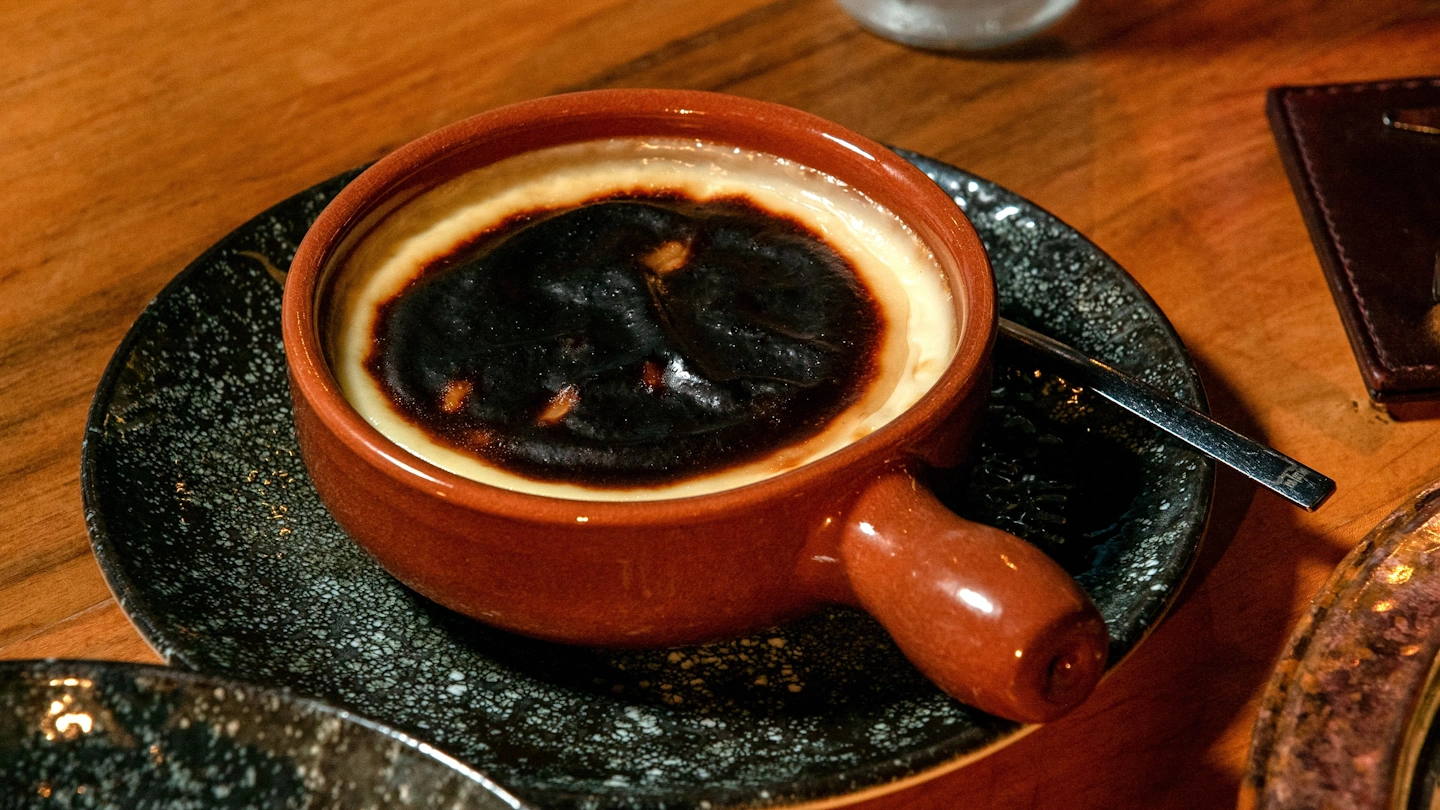
Crema Catalana: History, Tradition and Recipe
Discover the history of crema catalana, one of Catalonia’s most famous desserts. Learn how it developed from medieval Catalan cooking, how it differs from crème brûlée, and how to make the traditional recipe at home.
13 Sept 2026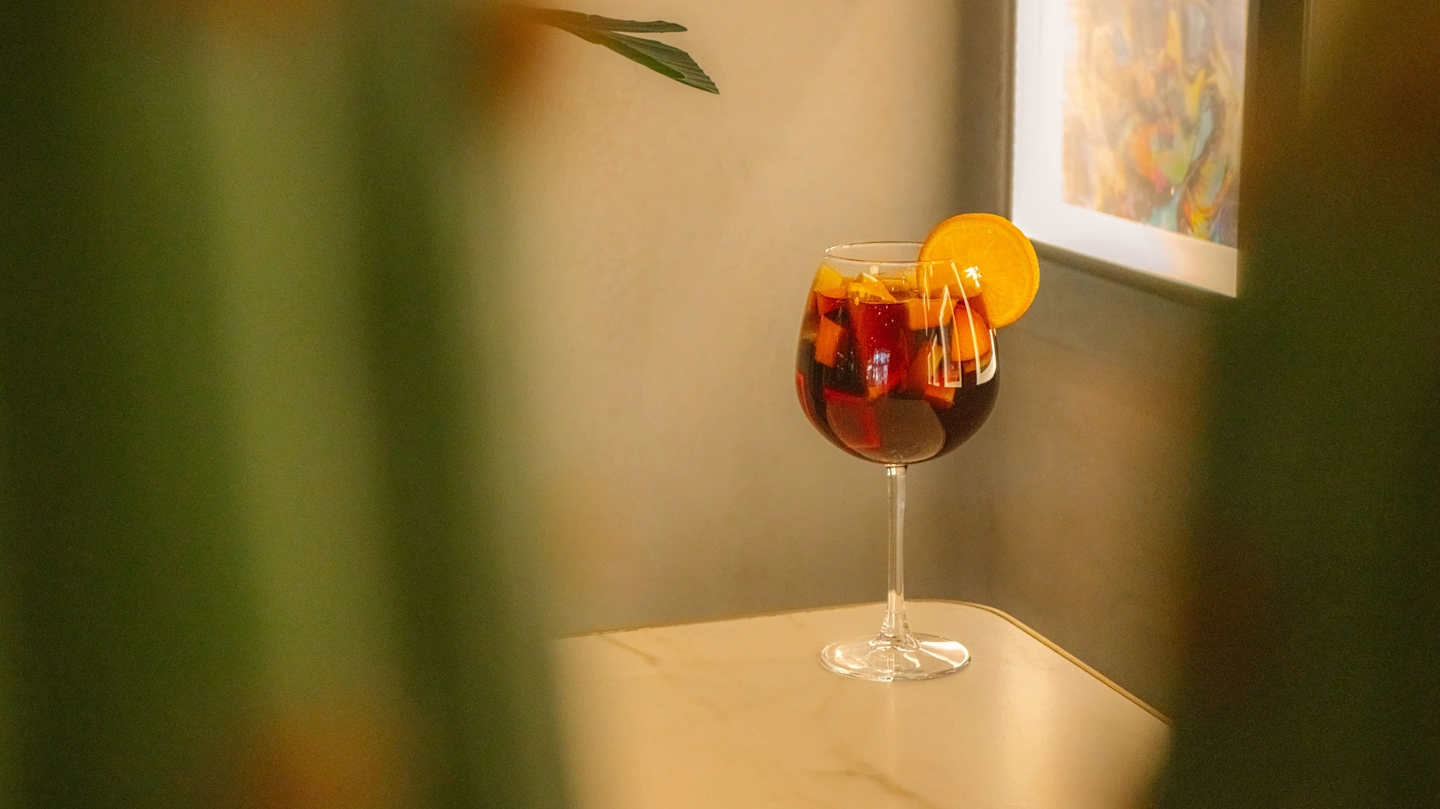
Sangria: History, Tradition and How to Make It
Discover the history of sangria, Spain’s famous wine-based drink. Learn how sangria became an everyday social drink, the difference between handmade and industrial versions, popular variations and an easy traditional sangria recipe.
12 Sept 2026
Comments
Comments
Loading comments...
Sign in to leave a comment