Crema Catalana: History, Tradition and Recipe
Discover the history of crema catalana, one of Catalonia’s most famous desserts. Learn how it developed from medieval Catalan cooking, how it differs from crème brûlée, and how to make the traditional recipe at home.
What Is Crema Catalana?
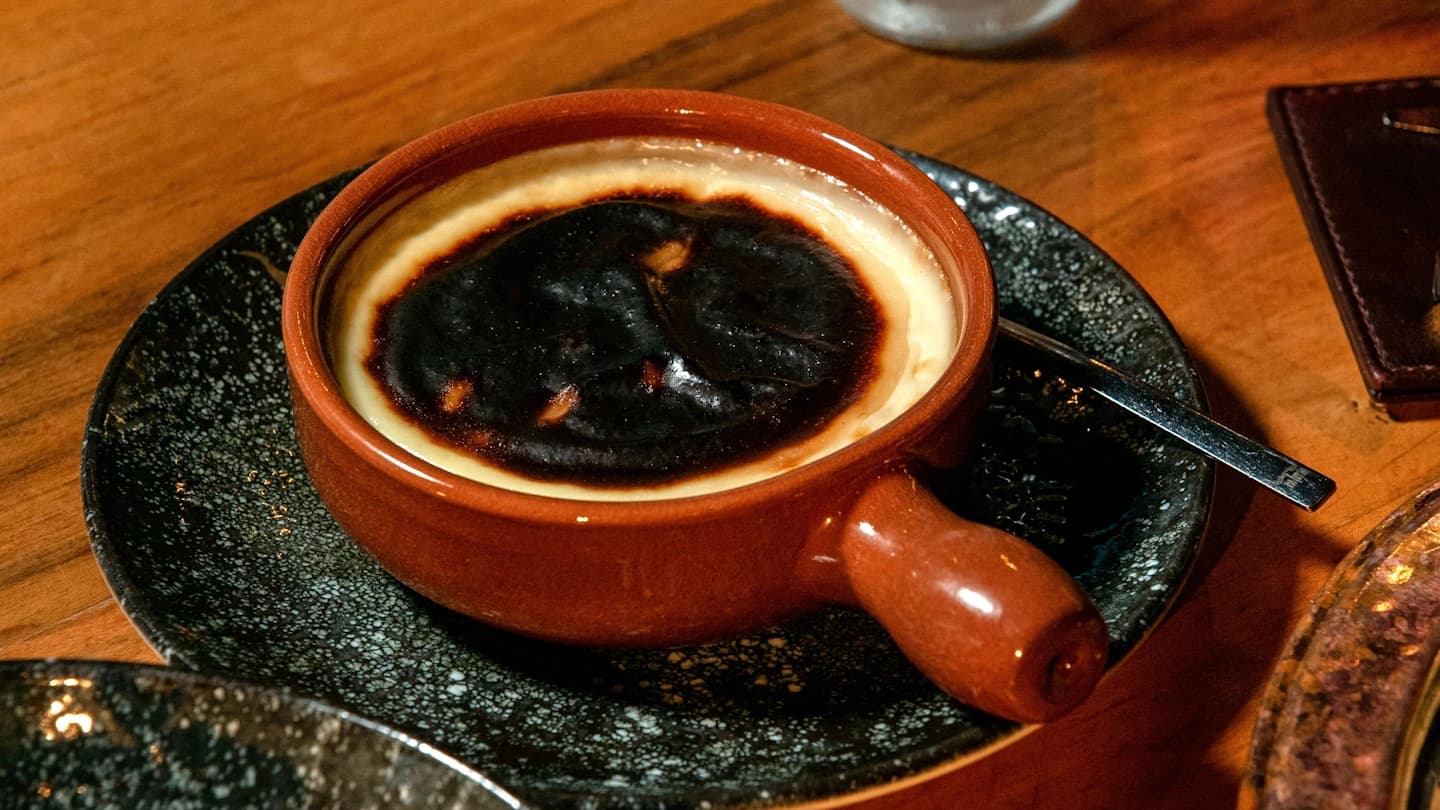
Crema catalana is one of the most traditional desserts of Catalan cuisine. It is a smooth custard made mainly with milk, egg yolks and sugar, traditionally flavoured with cinnamon and lemon peel. Before serving, sugar is spread over the surface and caramelised to create a thin, hard crust that cracks when you break it with a spoon.
It is also known as crema cremada, meaning “burnt cream”, and crema de Sant Josep, because of its traditional connection with Saint Joseph’s Day on 19 March. Today, however, Catalans enjoy it throughout the year.
How Was Crema Catalana Invented?
There is no known chef or precise moment when crema catalana was invented. Instead, the dessert appears to have developed gradually from medieval Catalan custard recipes.
One of the important sources is the Llibre de Sent Soví, a Catalan cookbook dating from the 14th century. It contains recipes for milk and egg preparations that are considered predecessors of modern crema catalana. Similar preparations appear later in the Llibre del Coch, from the 16th century.
The modern dessert evolved over time. By the 18th century, references to crema de Sant Josep can be found in Catalan writing, including the diary Calaix de sastre by the Baron of Maldà. The characteristic caramelised sugar topping became an established part of the preparation later.
So rather than being an invention by one person, crema catalana is a traditional recipe that developed through generations of Catalan cooking.
Crema Catalana vs Crème Brûlée
Crema catalana and French crème brûlée look remarkably similar, but they are not exactly the same dessert.
Crema catalana
- Traditionally made with milk
- Flavoured with cinnamon and lemon
- Usually thickened with starch such as cornflour
- Cooked directly in a saucepan
- Traditionally caramelised with a hot iron
Crème brûlée
- Usually made with cream
- Traditionally flavoured with vanilla
- Normally thickened by the egg yolks
- Traditionally baked, often in a bain-marie
- Usually caramelised with a torch or grill
The French dessert is documented in François Massialot’s 1691 cookbook, although its ultimate origins are also debated. The similarity between the two desserts has led to a long-running discussion about their relationship, but it is safer to say that both belong to a wider European tradition of egg-based custards rather than claiming that one definitely invented the other.
Why Is It Important to Catalonians?
For Catalans, crema catalana is more than simply a dessert. It is part of Catalonia’s culinary identity and one of the region’s best-known traditional foods.
Its connection with Sant Josep is particularly important. Historically, families prepared the dessert for 19 March, giving it a strong place in the seasonal calendar. The tradition continues, although crema catalana is now found on restaurant menus and in homes throughout the year.
It also represents an important characteristic of Catalan cuisine: simple ingredients transformed into a distinctive dish through careful preparation.
Traditional Crema Catalana Recipe
For 4–6 servings, you need:
- 500 ml whole milk
- 4–6 egg yolks
- 100 g sugar
- 20–25 g cornflour
- 1 cinnamon stick
- Peel of 1 lemon
- Extra sugar for caramelising
Preparation
Heat the milk gently with the cinnamon stick and lemon peel. Do not let it boil strongly.
In a separate bowl, whisk the egg yolks with the sugar and cornflour. Slowly add some of the warm milk while stirring.
Return the mixture to the saucepan and cook over low heat, stirring continuously. When the custard thickens, remove it from the heat immediately.
Pour the cream into individual traditional clay dishes or small bowls and allow it to cool. Refrigerate until completely set.
Just before serving, cover the surface with a thin layer of sugar. Traditionally, Catalan cooks use a red-hot metal iron to caramelise the sugar, although a kitchen torch or hot grill can also be used.
The result should be a cool, silky custard underneath a thin, warm and crunchy layer of caramelised sugar — one of the simplest and most recognisable tastes of Catalan cuisine.
Ready to explore Barcelona?
Build your personalised itinerary in 30 seconds — starting from your hotel.
Build my Barcelona route →Related articles

Why Do Catalans Love Poop? The Curious World of Caganers, Tió and Scatological Humour
Why do Catalans put poop in Christmas traditions? Discover the caganer, Tió de Nadal and the history of Catalan scatological humour.
7 Oct 2026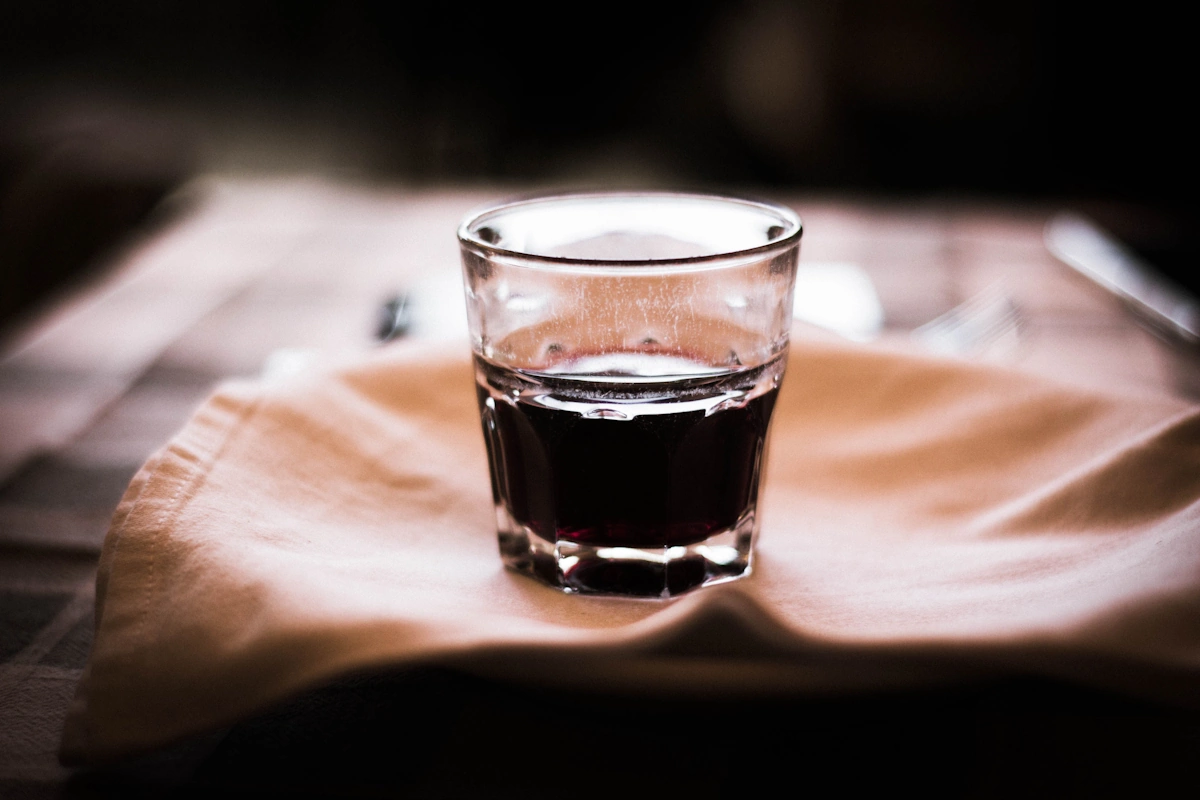
Ratafia: The Traditional Catalan Herbal Liqueur
Discover ratafia, Catalonia’s traditional herbal liqueur made with green walnuts, herbs and spices, including its history and recipe.
30 Sept 2026
Correfoc: Catalonia’s Festival of Fire and Devils
Discover the Catalan correfoc, a spectacular festival of devils, dragons, fireworks and fire with medieval roots and modern traditions.
26 Sept 2026
Comments
Comments
Loading comments...
Sign in to leave a comment