La Castanyada in Catalonia: Chestnuts, Panellets and an Autumn Tradition
Discover La Castanyada, Catalonia’s autumn tradition of roasted chestnuts, panellets and sweet potatoes, celebrated around All Saints’ Day.
When autumn arrives in Catalonia, the streets begin to smell of roasted chestnuts, bakeries fill their windows with almond sweets, and small stalls appear on city pavements. These are familiar signs of La Castanyada, one of Catalonia’s best-known seasonal traditions. Celebrated around 31 October and All Saints’ Day on 1 November, it brings together traditional food, family gatherings and the remembrance of the dead.
Although it takes place at the same time as Halloween, La Castanyada has its own history and character. For visitors to Barcelona and the rest of Catalonia, it offers a delicious way to discover local culture beyond the region’s famous architecture and beaches.
What is La Castanyada?
The name Castanyada comes from castanya, the Catalan word for chestnut. In Spanish, the celebration is called Castañada, while La Castanyada is the name commonly used in Catalan.
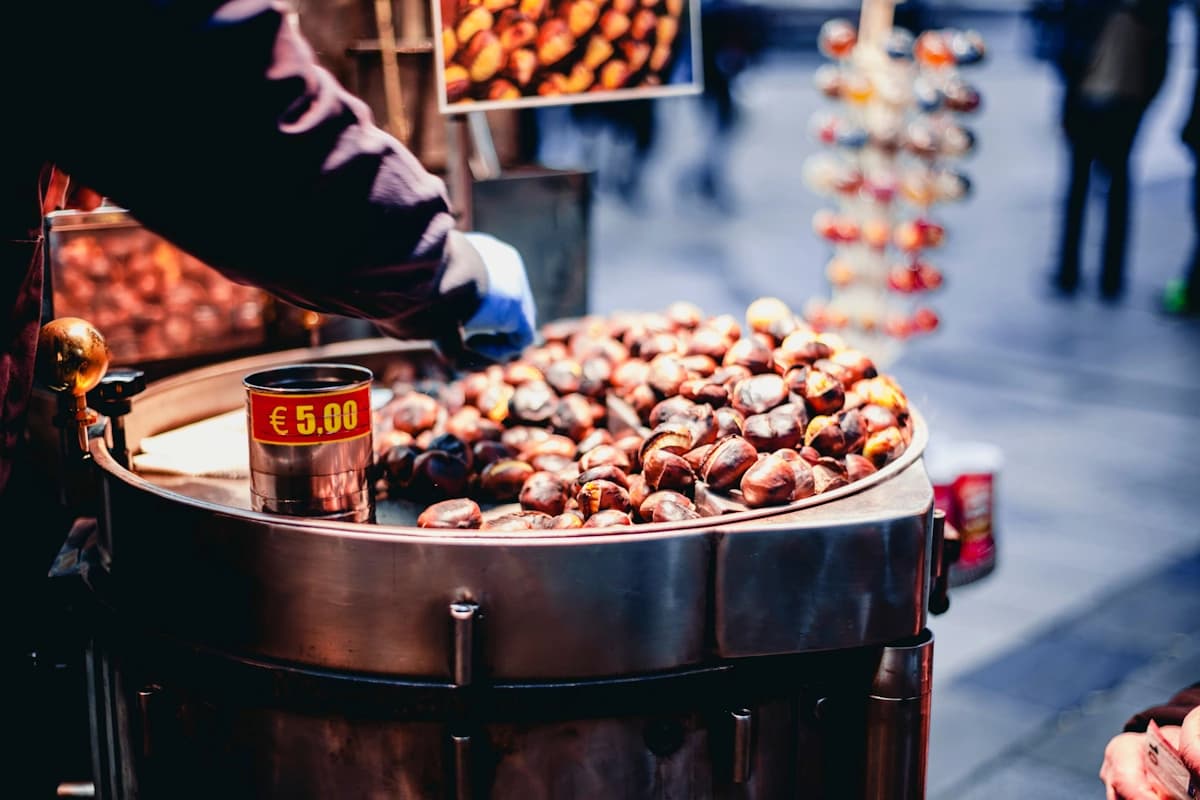
The central tradition is simple: people eat roasted chestnuts, roasted sweet potatoes and panellets, small sweets traditionally made from almond paste and sugar. These are often enjoyed with moscatell, a sweet Muscat wine.
The celebration is particularly associated with the evening of 31 October, the night before All Saints’ Day. Families and friends gather at home, schools organise seasonal activities, and bakeries prepare large quantities of traditional sweets. In many towns, local associations and councils also arrange public celebrations.
The origins: autumn, All Saints and remembrance
La Castanyada developed around the religious calendar of All Saints’ Day and All Souls’ Day, when people remembered deceased relatives and visited cemeteries. Its customs also reflect older European seasonal traditions, connecting autumn foods and the end of the harvest with the memory of the dead.
One popular explanation links roasted chestnuts to the church bell ringers who once rang bells for long periods during the night of All Saints. Chestnuts provided a practical, nourishing food to help them keep working. Families and neighbours are said to have joined them, sharing chestnuts and sweet wine.
Although the details of this story vary, the association between chestnuts, communal eating and remembrance became firmly established. By the late 18th century, La Castanyada was already a recognised custom in Catalonia. Historical accounts from Barcelona mention the celebration in the early 19th century.
Over time, the emphasis shifted from a more solemn religious occasion towards a festive gathering centred on seasonal food. Remembrance remains part of the wider All Saints’ period, but the atmosphere of La Castanyada today is often warm, social and family-oriented.
The traditional foods
Food is at the heart of the celebration, and each item has become a recognisable symbol of the Catalan autumn.
Roasted chestnuts (castanyes)
Chestnuts are sold hot from street stalls, particularly in Barcelona and other towns as the weather cools. They are usually served in a paper cone, making them easy to eat while walking. Their smoky aroma is one of the most distinctive seasonal smells in the city.
Panellets
These small cakes or sweets are traditionally made with ground almonds and sugar. The best-known version is covered with pine nuts, although bakeries also sell varieties flavoured with coconut, chocolate, coffee or other ingredients. They are especially popular around All Saints’ Day and can be surprisingly rich, so buying a small selection to share is a good way to try several flavours.
Roasted sweet potatoes (moniatos)
Soft, sweet and warming, roasted sweet potatoes are another classic autumn food. They are often sold alongside chestnuts and eaten at home as part of the seasonal meal.
Sweet wine
A glass of moscatell or another sweet wine traditionally accompanies the sweets. Visitors who prefer not to drink alcohol can enjoy the food on its own; the essential part of the custom is sharing the seasonal treats.
La Castanyera: the woman of the chestnuts
A familiar figure associated with the celebration is the castanyera, traditionally portrayed as an older woman who roasts and sells chestnuts. In illustrations and children’s stories, she often wears warm, old-fashioned clothes, a headscarf and an apron.
The castanyera is especially visible in schools, where children learn songs, stories and activities connected with the festival. The character helps pass the tradition to younger generations and gives La Castanyada a recognisable identity beyond its food.
Today, chestnut sellers may be men or women, and modern stalls vary in appearance. The traditional figure nevertheless remains an affectionate symbol of autumn in Catalonia.
La Castanyada in Barcelona and across Catalonia
In Barcelona, the easiest way to experience La Castanyada is to look for chestnut stalls appearing on streets and squares as October progresses. Local bakeries begin displaying panellets, while neighbourhood schools, community centres and markets may organise their own activities.
The tradition is not limited to the capital. Towns and villages across Catalonia celebrate with family meals, local fairs and autumn events. Some communities also organise chestnut fairs that highlight the harvest and the countryside.
For visitors, the experience is generally less about attending one enormous festival and more about noticing how the season changes everyday life. Buying a cone of chestnuts, choosing panellets from a neighbourhood bakery and sharing them with friends is often enough to take part.
Castanyada and Halloween: rivals or companions?
Halloween has become increasingly visible in Catalonia, with costumes, pumpkins, themed parties and activities for children. Because it falls on the same date as La Castanyada, the two celebrations are sometimes presented as competitors: one rooted in local tradition, the other influenced by international popular culture.
In practice, they often coexist. A child might attend a Castanyada celebration at school and later dress up for Halloween. Families may preserve their traditional meal while also taking part in newer festivities.
La Castanyada’s enduring appeal lies in its connection to local food, family and the rhythms of autumn. It does not need to replace Halloween to remain meaningful.
A taste of Catalan identity
La Castanyada is a modest but revealing part of life in Catalonia. It connects seasonal produce with family traditions, local bakeries, school activities and the remembrance of earlier generations. Its customs have evolved, but roasted chestnuts and panellets continue to mark the arrival of autumn.
If you visit Barcelona at the end of October, look out for a chestnut stall, step into a bakery and try a few panellets. It is a simple experience, but one that offers a genuine taste of Catalan culture—one warm chestnut at a time.
Ready to explore Barcelona?
Build your personalised itinerary in 30 seconds — starting from your hotel.
Build my Barcelona route →Related articles

Spain’s General Election on 29 November 2026: Causes, Candidates and Key Issues
Spain votes on 29 November 2026 after a housing crisis and parliamentary deadlock. Explore the main candidates, party policies and key issues.
9 Oct 2026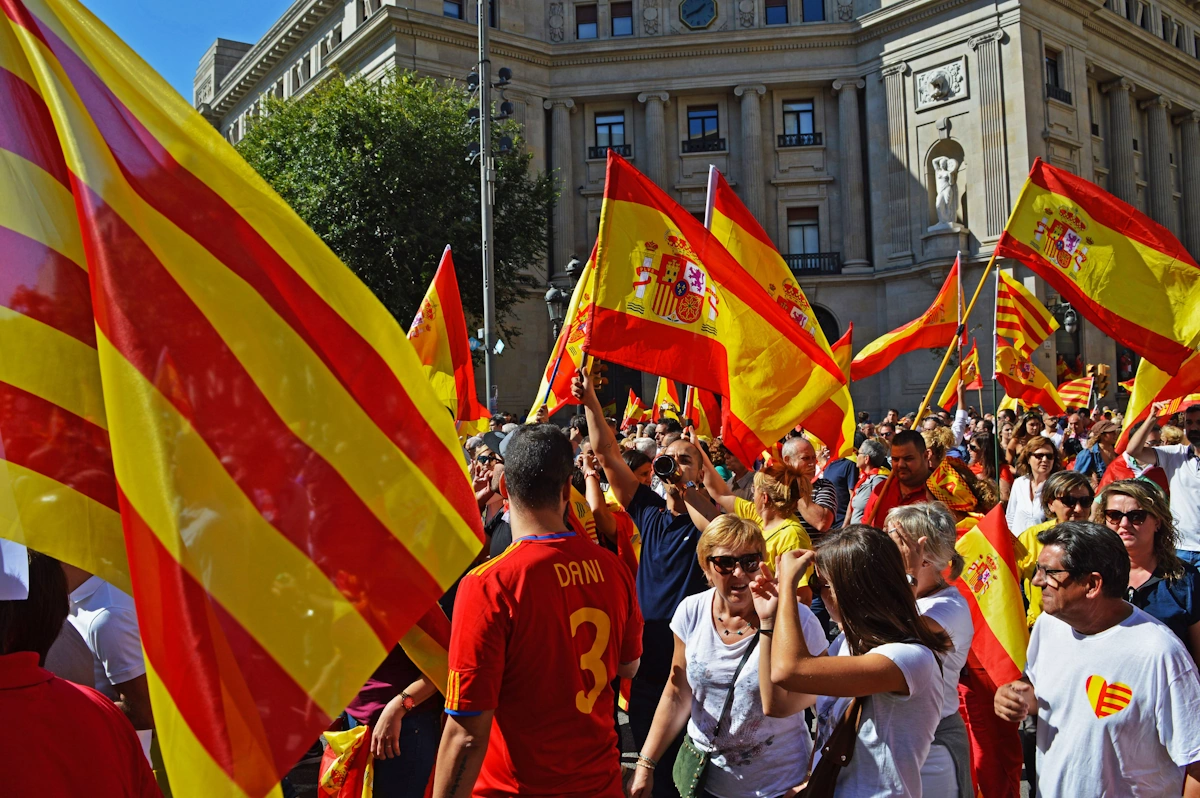
12 October: Spain’s National Day and Día de la Hispanidad
Discover why Spain celebrates 12 October as its National Day, its history, the Día de la Hispanidad and what the holiday means in Catalonia.
8 Oct 2026
Why Do Catalans Love Poop? The Curious World of Caganers, Tió and Scatological Humour
Why do Catalans put poop in Christmas traditions? Discover the caganer, Tió de Nadal and the history of Catalan scatological humour.
7 Oct 2026
Comments
Comments
Loading comments...
Sign in to leave a comment