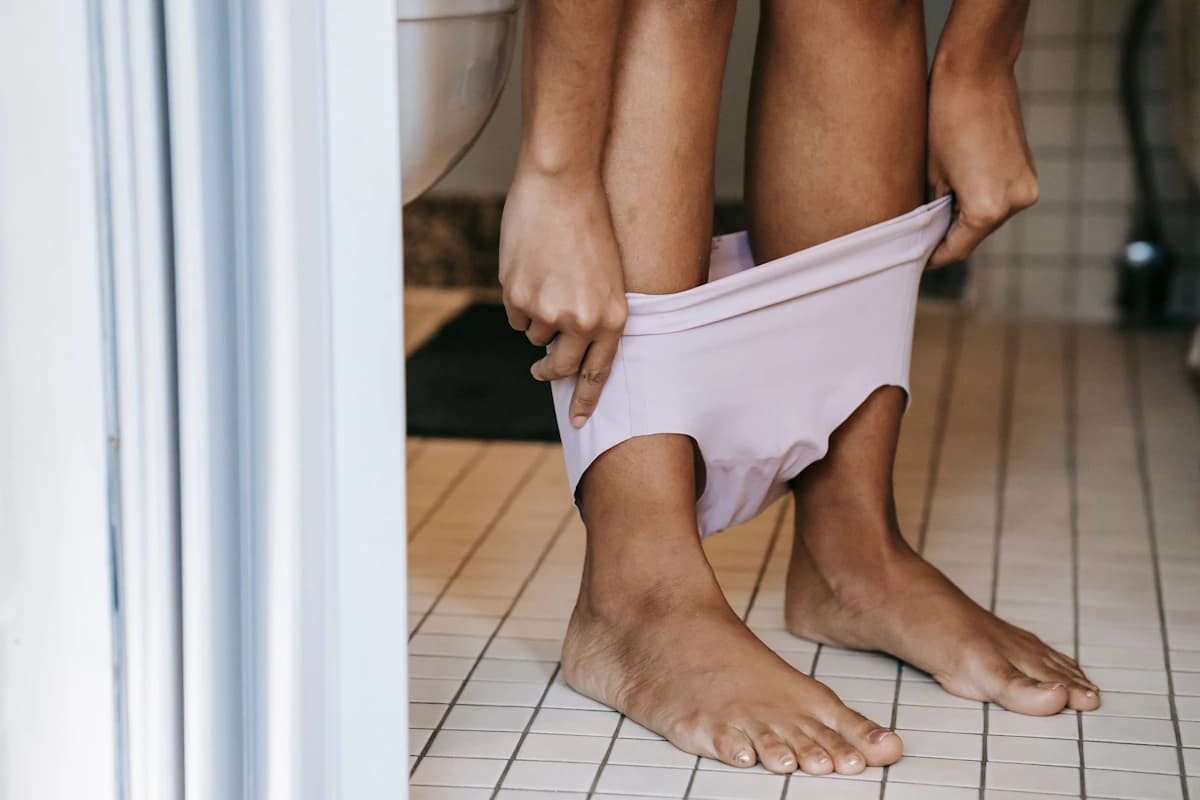
Why Do Catalans Love Poop? The Curious World of Caganers, Tió and Scatological Humour
Why do Catalans put poop in Christmas traditions? Discover the caganer, Tió de Nadal and the history of Catalan scatological humour.
There is a side of Catalan culture that often surprises visitors: poop is everywhere.
Not literally, of course. But when Christmas arrives, you may find a small man squatting behind a tree in a nativity scene, apparently defecating. Children may also beat a wooden log with sticks while singing to make it “poop” presents. And souvenir shops in Barcelona sell everything from traditional caganers to modern figures depicting politicians, footballers and celebrities in the same unmistakable position.
For outsiders, it can seem like Catalans have an unusual obsession with toilets and bodily functions. The reality is more interesting. Scatological humour is deeply embedded in parts of Catalan popular culture, where defecation can represent humour, earth, fertility, abundance and the ordinary realities of human life.
The famous caganer
The most famous example is the caganer, whose name comes from the Catalan verb cagar, meaning “to defecate.”
The caganer is a small figurine traditionally placed somewhere in a Catalan Christmas nativity scene, or pessebre. Instead of praying, kneeling or admiring the newborn Jesus, the figure is squatting with his trousers down and doing something considerably less sacred.
The tradition is surprisingly old. The Generalitat's cultural heritage collection dates the caganer to the 18th century, making it a long-established part of Catalan Christmas culture.
Traditionally, the caganer was represented as a peasant wearing a traditional Catalan outfit, often with the distinctive red barretina. He was usually hidden somewhere in the landscape of the nativity scene, meaning that finding him became a game for children.
But why put a person defecating next to the Holy Family?
From embarrassment to fertility and good fortune
There are several interpretations of the caganer, and it is important not to present one explanation as absolute historical fact.
One common interpretation connects the figure with fertility, prosperity and the agricultural cycle. Human waste returns nutrients to the soil, so the act that looks ridiculous or dirty can also be understood as part of the natural cycle of life: people eat food, the body produces waste, and the earth receives it.
The idea fits a traditional rural society in which agriculture was central to survival. Fertile land meant food, and food meant prosperity.
The caganer therefore turns something normally considered private, embarrassing or unpleasant into a humorous symbol of the natural world.
There is also a simpler interpretation: he is funny.
The caganer brings something completely ordinary and bodily into an otherwise solemn religious scene. His presence can be understood as a reminder that people remain human, even during the most important religious celebrations.
The Tió: a log that poops presents
The caganer is not the only Catalan Christmas tradition involving defecation.
There is also the Tió de Nadal, often simply called the Tió. It is a wooden log that traditionally appears in the home before Christmas. Families feed and care for it, often covering it with a blanket.
Then comes the famous moment.
Children hit the Tió with sticks while singing traditional songs. When the blanket is lifted, the log has supposedly “pooped” presents.
The idea sounds wonderfully absurd to anyone unfamiliar with Catalan Christmas traditions. But the Tió has deeper connections with older winter customs.
The Generalitat explains that traditions surrounding the Christmas log are connected with rural practices, nature, fertility, protection and abundance. Burning a winter log and using its ashes was associated with protecting the household and fields, while giving food to children reinforced ideas of abundance and family cohesion.
Over time, the Catalan Tió developed into the much more playful Christmas tradition known today.
So again, something associated with waste becomes connected with giving, abundance and renewal.
Is this really a Catalan obsession with toilets?
Not exactly.
Catalan culture is not uniquely obsessed with toilets, and most Catalans do not spend their everyday lives talking about defecation. The important point is that bodily humour has been preserved in certain popular traditions, where it can be surprisingly public and playful.
This is particularly noticeable to international visitors because many cultures have traditions involving fertility, food, death, bodily functions or the reversal of normal social rules. What makes Catalonia distinctive is the way some of these themes remain visible in Christmas celebrations and popular culture.
The combination of religious tradition and earthy humour is particularly striking.
A Catalan nativity scene can contain the Virgin Mary, Saint Joseph, shepherds, angels and the baby Jesus — and somewhere in the landscape, a peasant is quietly doing something very human.
Why are there famous people on caganers?
The tradition has also evolved.
Modern caganer makers produce figures representing politicians, footballers, musicians, actors, business leaders and other famous people. The basic joke remains the same: someone important is brought down to the most ordinary and undignified human level.
This gives the caganer a satirical quality.
A powerful politician can become a caganer. So can a famous footballer or international celebrity. The message is humorous rather than necessarily insulting: everyone is human, regardless of status.
This is one reason the caganer has become such a popular souvenir for visitors to Barcelona.
Poop, humour and Catalan popular culture
The caganer and Tió reveal something broader about Catalan popular traditions.
They show a willingness to combine the sacred and the everyday, the serious and the ridiculous. Religious celebrations do not necessarily exclude humour, and traditional folklore does not always have to be solemn.
The Generalitat's descriptions of Catalan traditions also show how strongly ideas of fertility, nature, renewal and abundance appear in popular culture. For example, other traditions such as l'ou com balla — the dancing egg displayed on fountains during Corpus — have been interpreted in connection with spring, fertility and renewal.
The caganer belongs to this broader world of symbolism, even though its humour is considerably more direct.
A tradition that makes visitors laugh
For a visitor, discovering the caganer can be one of those moments when Barcelona suddenly feels very different from the tourist image of Gaudí, beaches and tapas.
You may walk into a Christmas market expecting nativity figures and discover a row of tiny celebrities pooping behind miniature trees.
It is strange, funny and unmistakably Catalan.
And perhaps that is the point. The caganer reminds us that traditions do not always have to be elegant or serious. Sometimes they survive precisely because they make people laugh.
So, do Catalans love poop?
Not quite. But Catalan popular culture has certainly found a memorable way to give the most ordinary of human functions a place in Christmas, folklore, humour and even the souvenir shops of Barcelona.
Ready to explore Barcelona?
Build your personalised itinerary in 30 seconds — starting from your hotel.
Build my Barcelona route →Related articles
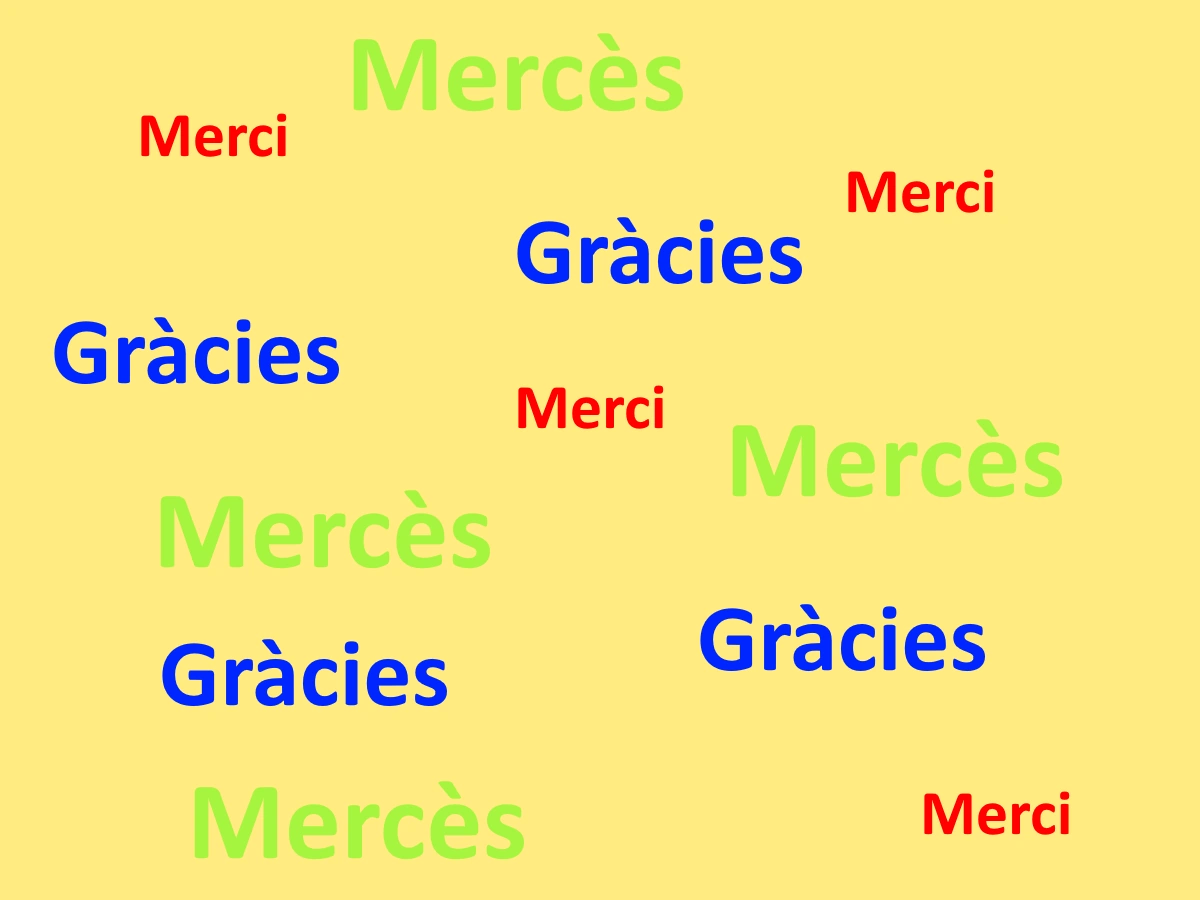
Why Do Catalans Say “Merci”? The Story Behind Gràcies, Mercès and Merci
Why do some Catalans say “merci”? Discover the history of gràcies, mercès and the French influence behind this familiar expression.
6 Oct 2026
Ratafia: The Traditional Catalan Herbal Liqueur
Discover ratafia, Catalonia’s traditional herbal liqueur made with green walnuts, herbs and spices, including its history and recipe.
30 Sept 2026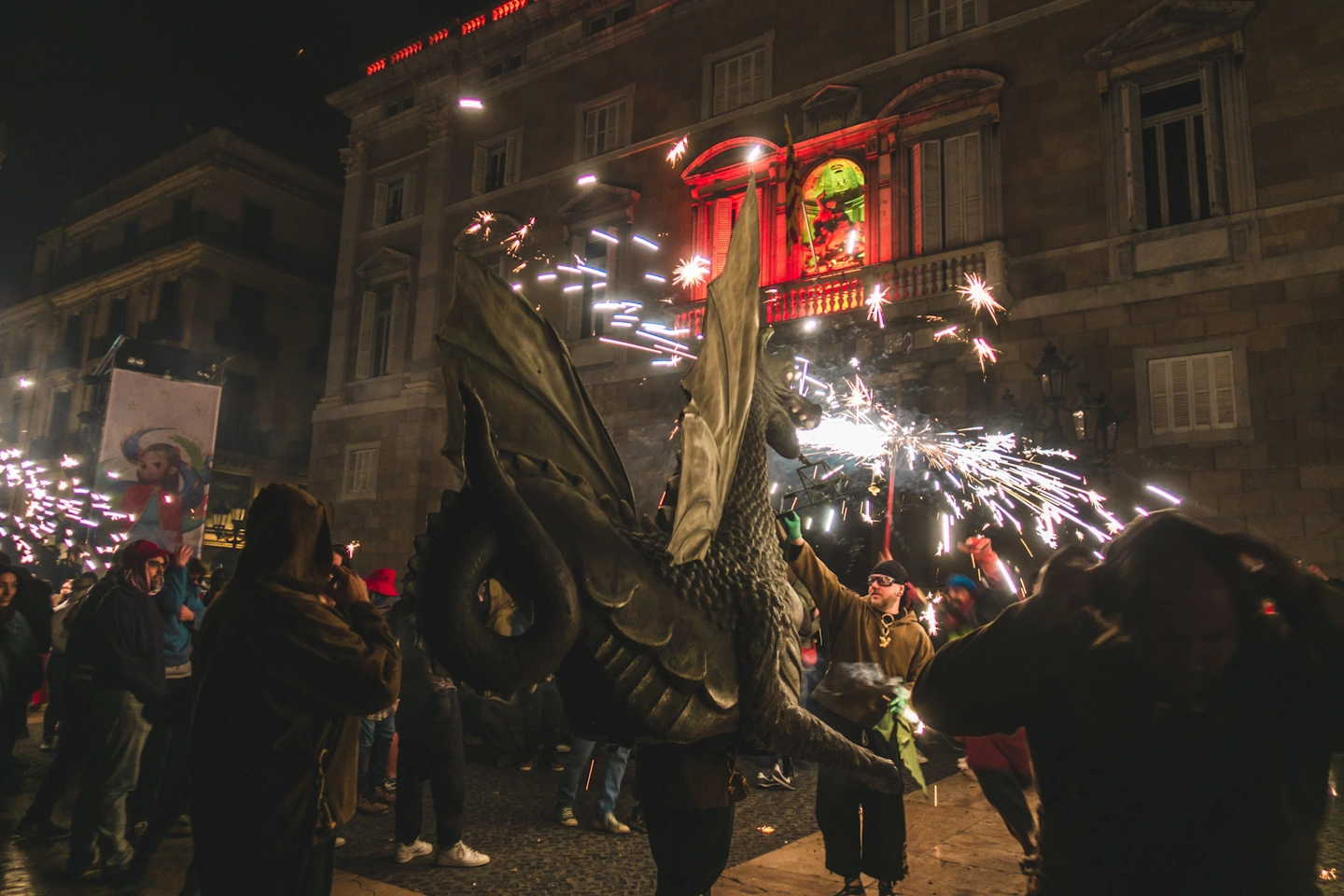
Correfoc: Catalonia’s Festival of Fire and Devils
Discover the Catalan correfoc, a spectacular festival of devils, dragons, fireworks and fire with medieval roots and modern traditions.
26 Sept 2026
Comments
Comments
Loading comments...
Sign in to leave a comment