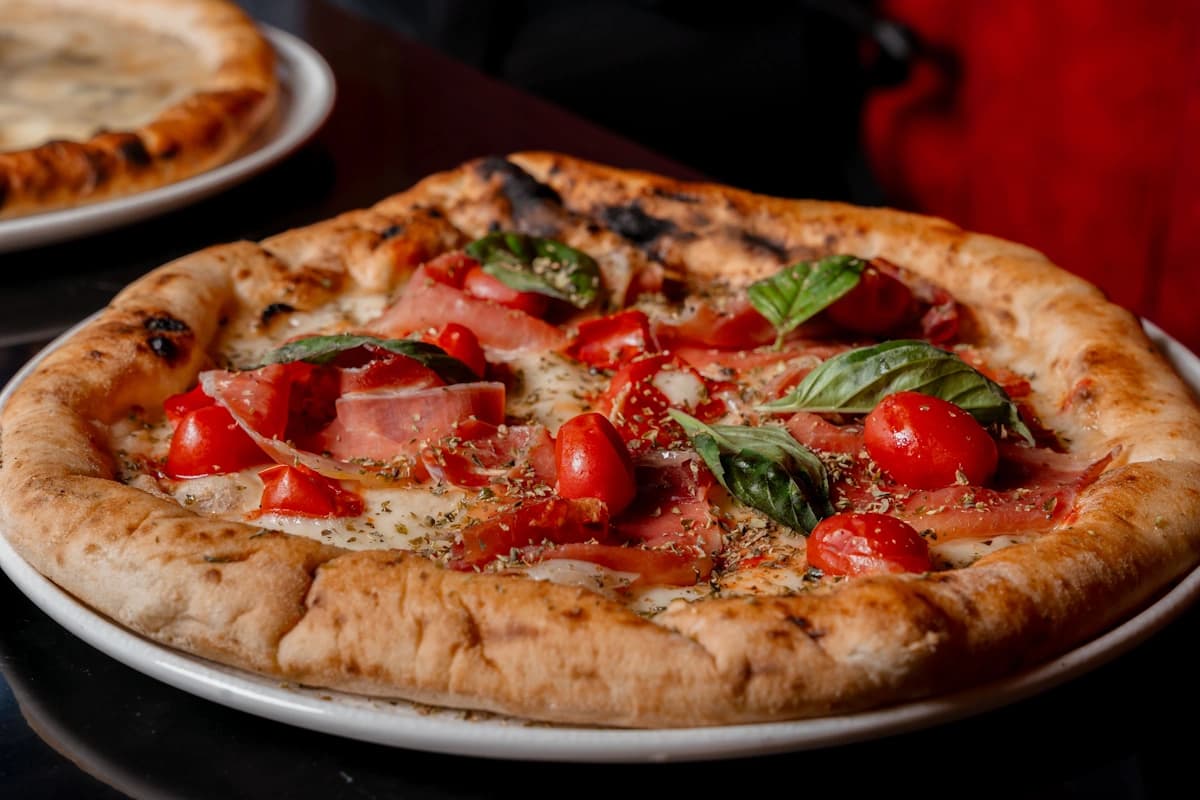
Italian Food in Barcelona: Why the City Loves Pizza, Pasta and Italian Cuisine
Discover why Italian food is so popular in Barcelona, how Italian residents shape its restaurant scene, and why so many Italians call the city home.
Walk through Barcelona and you will quickly notice how many Italian restaurants, pizzerias and trattorias are scattered across the city. From neighbourhood pizza places and family-run pasta restaurants to modern Italian dining rooms, Italian food has become a familiar part of Barcelona’s everyday food scene.
What makes this especially interesting is that many of these establishments are run by Italians themselves. Italian chefs, restaurant owners and entrepreneurs have helped shape the city’s dining culture, bringing regional recipes and traditions from Naples, Rome, Sicily, Puglia and other parts of Italy.
Why has Italian cuisine become so popular in Barcelona? And why have so many Italians chosen to make the Catalan capital their home?
Why do Catalans and Spaniards love Italian food?
One reason is that Italian and Catalan cuisines share important Mediterranean characteristics. Both make extensive use of olive oil, tomatoes, vegetables, seafood, cheese and fresh herbs. Meals are often social occasions, and food is an important part of family life.
Pasta and pizza are also easy to enjoy in different settings. A pizza can be a quick lunch, a relaxed dinner with friends or a family meal, while pasta offers an enormous variety of sauces and ingredients. Italian cuisine is familiar enough to appeal to a wide audience but diverse enough to keep attracting curious diners.
There is also a natural connection between the two food cultures. Catalonia and Italy have long been linked through Mediterranean trade, migration and cultural exchange. Their cuisines are not identical, but both have developed around regional products, local traditions and the pleasure of eating together.
For many Barcelona residents, Italian food is not an exotic alternative to local cuisine. It is simply another favourite option alongside tapas, pa amb tomàquet, seafood rice, escudella and other Catalan or Spanish dishes.
Why are there so many Italian restaurants?
Demand is only part of the explanation. Barcelona also has a substantial Italian community, creating a natural environment for restaurants that serve food from Italy.
According to Barcelona City Council’s municipal register, 54,036 residents held Italian nationality on 1 January 2026, making Italians the largest foreign-nationality group in the city. The figure includes Italian citizens born outside Italy, including people with family roots in Argentina, so nationality figures do not directly represent the number of Italian-born residents. Nevertheless, the data underline the importance of the Italian community in Barcelona. Source: Barcelona City Council
Many Italian restaurant owners bring professional experience, family recipes and knowledge of regional food traditions. Others arrive with the ambition of opening their own business. A restaurant can provide a way to turn culinary skills into a livelihood while introducing customers to the food of the owner's home region.
However, it would be misleading to assume that every restaurant labelled “Italian” is owned or managed by Italians. Some are part of larger Spanish or international businesses, and others are operated by people from different backgrounds. The city's Italian restaurant scene is diverse, even if Italian entrepreneurs are highly visible within it.
Why do so many Italians live in Barcelona?
The movement of Italians to Barcelona has a longer history than the current restaurant boom.
Barcelona and Italian port cities have been connected by Mediterranean commerce for centuries. In the late 19th and early 20th centuries, some Italians travelling overseas also settled in Barcelona rather than continuing their journeys to the Americas. More recent migration has followed different patterns, including work, study, business opportunities and family connections.
The modern growth of Barcelona as an international city has made it attractive to people from many countries. The expansion of tourism, hospitality, technology, creative industries and international business has created opportunities for newcomers. European Union citizens also benefit from the freedom to move and work within the EU, subject to the applicable registration requirements.
Lifestyle plays a role too. Barcelona offers a Mediterranean climate, beaches, public spaces, cultural events and a lively restaurant scene. Its international character can make it easier for newcomers to find professional networks and communities from home.
Language and culture can also help. Italian and Spanish share many similarities, while Catalan has historical and linguistic connections with other Romance languages. This does not mean that every Italian finds the transition effortless, but it can make everyday communication and cultural adaptation more approachable than in some other destinations.
Not everyone moves for the same reason, and there is no single explanation for the growth of the Italian community. Employment, education, relationships, entrepreneurship and quality of life all contribute.
Naples, Rome, Sicily and beyond: Italian food is not one cuisine
One of the pleasures of eating Italian food in Barcelona is discovering that Italy's culinary traditions are highly regional.
Neapolitan pizzerias are known for their soft, airy crusts and distinctive style of baking. Roman restaurants may specialise in dishes such as carbonara, cacio e pepe or thin, crisp pizza styles. Sicilian cooking brings ingredients and influences associated with the island's complex history, while northern Italian traditions include risotto, filled pasta and dishes using butter, cheese and other local products.
Italian restaurants in Barcelona reflect this diversity. Some focus on one regional tradition; others offer a broader menu of popular Italian dishes. Many owners use ingredients imported from Italy, while also buying fresh produce, seafood and other products locally.
This combination can create a bridge between two Mediterranean food cultures rather than a simple copy of one country's cuisine.
Italian food and Barcelona's local identity
The popularity of Italian cuisine does not mean Catalan food is losing its importance. Barcelona's restaurants offer an enormous range of culinary traditions, and Italian establishments form one part of a much broader international scene.
At the same time, restaurants contribute to the everyday character of their neighbourhoods. A small pizzeria may become a regular meeting place for local residents, while a family-run trattoria can introduce customers to dishes they might never have encountered on a holiday in Italy.
The strongest restaurants often do more than serve familiar favourites. They explain regional ingredients, preserve recipes and adapt to the expectations of their customers without losing the character of the food.
Where Italian food fits into Barcelona's future
Barcelona's Italian food scene reflects the city's wider evolution into an international Mediterranean metropolis. Migration has brought people, businesses and culinary knowledge, while local customers have embraced Italian dishes as part of their everyday eating habits.
The appeal is not difficult to understand: pizza and pasta are versatile, Italian cooking shares much with Catalan food, and a large Italian community helps sustain restaurants that offer a connection to home.
For visitors, exploring Italian food in Barcelona can be an unexpected part of discovering the city. Try a Neapolitan pizza, look for a restaurant specialising in a particular Italian region, or compare an Italian pasta dish with a Catalan recipe built around similar Mediterranean ingredients.
Barcelona may be famous for its own cuisine, but its restaurant culture also tells the story of the people who have arrived here, opened businesses and made the city their home. Italian food is one delicious example of how migration and local tastes can shape a shared urban identity.
Ready to explore Barcelona?
Build your personalised itinerary in 30 seconds — starting from your hotel.
Build my Barcelona route →Related articles
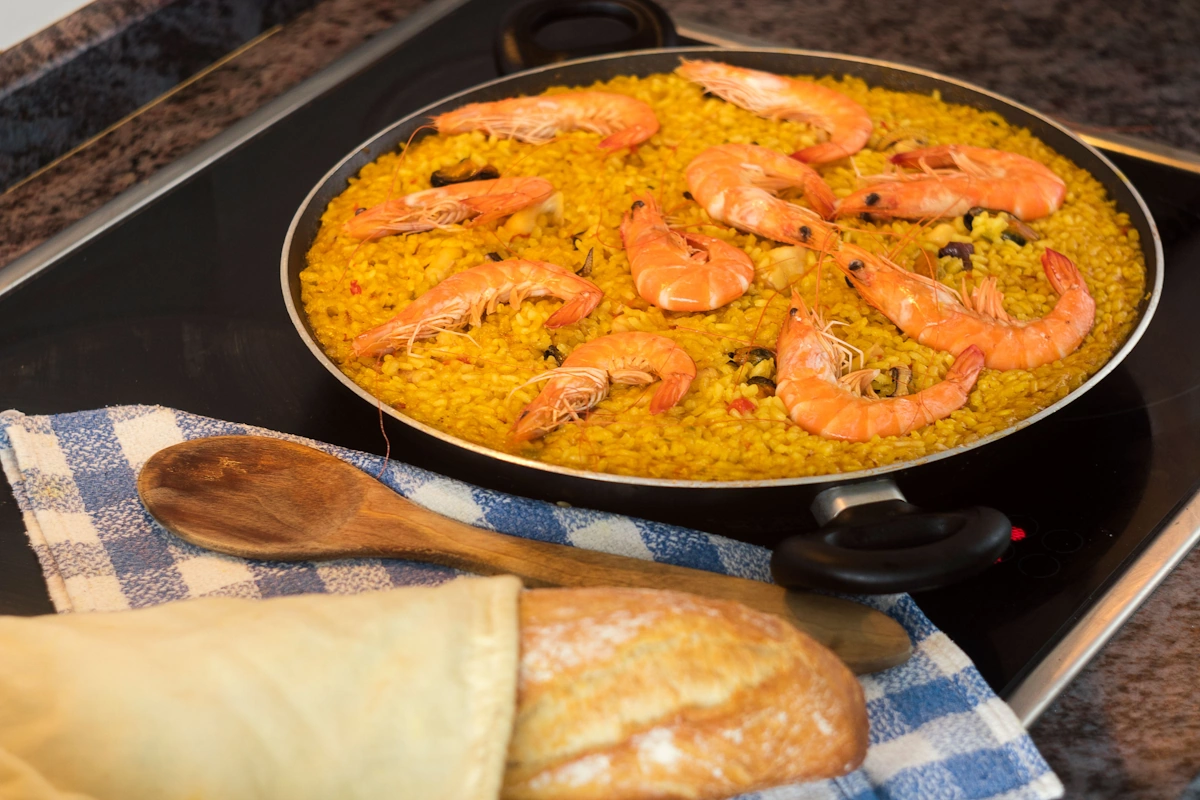
Paella: History, Origins and How to Recognise a Good One in Spain
Discover paella’s Valencian origins, its connection to Catalonia, and how to recognise well-cooked rice, authentic flavours and a perfect socarrat.
18 Oct 2026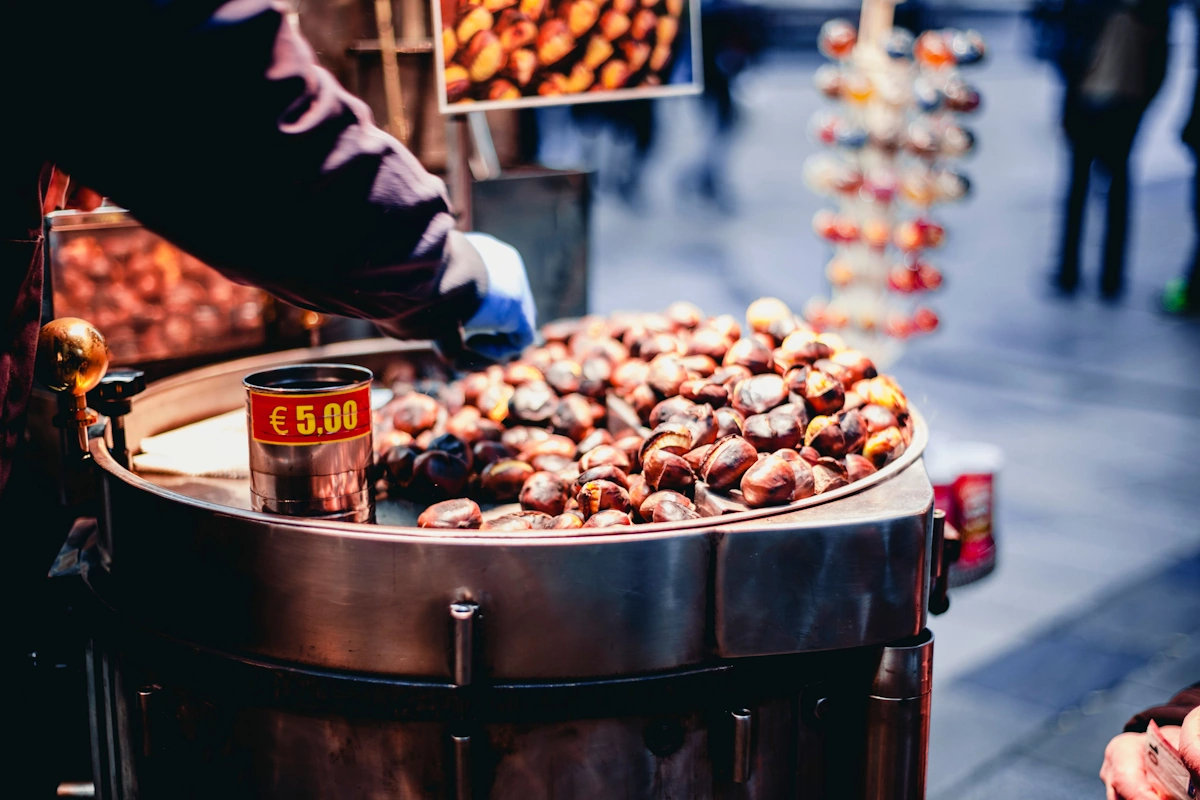
La Castanyada in Catalonia: Chestnuts, Panellets and an Autumn Tradition
Discover La Castanyada, Catalonia’s autumn tradition of roasted chestnuts, panellets and sweet potatoes, celebrated around All Saints’ Day.
14 Oct 2026
Okupas in Spain: The Situation in Catalonia and Barcelona
Explore the debate over okupas in Spain, with a focus on Catalonia and Barcelona, current statistics, public opinion and possible solutions.
11 Oct 2026
Comments
Comments
Loading comments...
Sign in to leave a comment