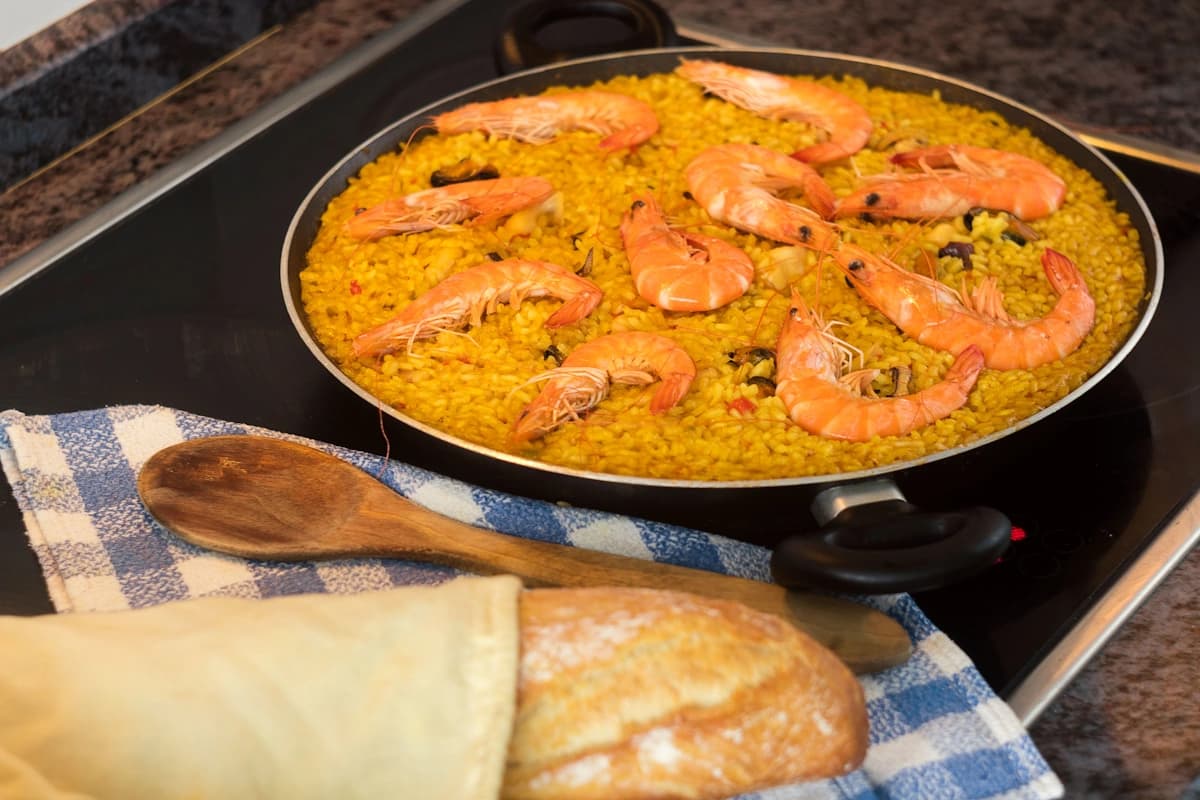
Paella: History, Origins and How to Recognise a Good One in Spain
Discover paella’s Valencian origins, its connection to Catalonia, and how to recognise well-cooked rice, authentic flavours and a perfect socarrat.
Few dishes are as closely associated with Spain as paella. Its wide, shallow pan filled with golden rice, vegetables, seafood or meat has become an international symbol of Spanish cuisine. Yet paella has a specific birthplace, a history rooted in rural life and a cooking technique that is often misunderstood outside Spain.
For visitors to Barcelona and Catalonia, there is another interesting detail: although paella is frequently found on menus here, it originated in the neighbouring Valencian region. Catalonia has its own rich rice traditions, and knowing the difference helps you discover much more than the familiar tourist version of paella.
Where was paella invented?
Paella originated in the Valencian region of eastern Spain, particularly in the agricultural lands around the Albufera lagoon, south of the city of Valencia. The area had fertile farmland, a long tradition of rice cultivation and access to ingredients from both fields and wetlands.
The dish developed as a practical meal for farmers and agricultural workers. They cooked rice outdoors with ingredients available locally, including chicken, rabbit, beans, tomatoes, olive oil and seasoning. Recipes varied according to the season, the household and the ingredients available.
Rice cultivation in the region expanded with agricultural techniques developed during the period of Muslim rule in the Iberian Peninsula. However, the precise date when paella first appeared is uncertain. The dish is associated with early modern rural cooking, while written references to paella or arroz a la valenciana appear in 18th-century recipe manuscripts. By the 19th century, it had become more widely established as a dish shared across Valencian society.
The name comes from paella, the Valencian word for the wide, shallow cooking pan. The pan itself became so closely associated with the dish that its name came to describe the food prepared in it.
What is an authentic Valencian paella?
The traditional paella valenciana is different from the seafood version many international visitors imagine first.
Its classic ingredients include rice, chicken, rabbit, green beans, garrofó (a large, flat white bean), tomato, olive oil, paprika and saffron. Regional variations may include snails, artichokes or other local ingredients. It is traditionally cooked in a wide pan, often over a wood fire.
Seafood paella is also popular in Spain, especially along the coast, but it is a different style rather than the original Valencian recipe. Mixed paella, combining meat and seafood, is another common variation.
There is no need to treat every variation as a mistake. Spain has many excellent rice dishes. The important distinction is between a specific traditional recipe and a different dish that happens to use the same cooking method.
Paella and Catalonia: what is the connection?
Catalonia shares Spain’s Mediterranean rice-growing and cooking traditions, but paella is not originally a Catalan dish. The region has its own ways of preparing rice, using local seafood, meat, vegetables and seasonal ingredients.
One classic example is arròs a la cassola, rice cooked in a deeper casserole rather than the wide paella pan. Depending on the area and recipe, it may contain chicken, pork, sausage, rabbit, seafood or mushrooms. Catalan cooks also prepare arròs negre, made dark with squid ink, and arròs mar i muntanya, which combines ingredients from the sea and the mountains.
The town of Pals, in the Empordà area of northeastern Catalonia, is particularly associated with local rice cultivation. Rice dishes are an important part of the region’s food culture, and coastal restaurants offer many preparations that differ from Valencian paella.
In Barcelona, you can find Valencian-style paella, seafood paella and Catalan rice dishes side by side. Exploring the differences is part of discovering the region’s cuisine.
How to recognise a good paella
A good paella depends on technique as much as ingredients. Here are the signs worth looking for.
The rice should be properly cooked. In a traditional dry paella, the grains should be tender but retain their shape, with little excess liquid. They should not be mushy or swimming in broth.
The flavour should reach the rice. A good paella tastes of its stock, seasoning and main ingredients. Saffron contributes aroma and colour, although the intensity varies between recipes. A bright yellow colour alone does not prove quality.
Look for a well-formed socarrat. This is the thin, toasted layer of rice that develops at the bottom of the pan. It adds a concentrated, slightly caramelised flavour and is prized by many paella lovers. It should be toasted, not bitter and burnt.
The ingredients should suit the style. Chicken and rabbit are typical of traditional Valencian paella; seafood belongs in seafood versions. Fresh, well-cooked ingredients matter more than the number of prawns or the size of the garnish.
The cooking method matters. Paella is usually cooked in a wide pan so the rice spreads in a relatively thin layer. This helps the liquid evaporate and the rice cook evenly. A very deep pan filled with rice is more likely to produce a different texture.
How to spot a poor paella or a tourist trap
A poor paella often has overcooked, sticky rice, too much liquid or a burnt base that tastes bitter rather than toasted. Bland rice can also indicate weak stock or inadequate seasoning.
Be cautious if a restaurant advertises a large selection of elaborate paellas at unusually low prices, especially if the dishes appear ready-made and are served almost immediately. Some establishments prepare rice dishes in advance or use frozen ingredients. That does not automatically make a dish bad, but freshly prepared paella is generally a better choice when you want to judge the cook’s technique.
Another practical point: paella is often prepared to order and may require 20–40 minutes or longer, depending on the recipe and restaurant. Some places require a minimum of two portions. Ask before ordering, and be wary of any place promising a traditionally cooked paella almost instantly.
Finally, do not judge quality only by whether the ingredients match one strict recipe. A well-made seafood paella can be excellent even though it is not traditional Valencian paella. What matters is that the dish is honestly described and the rice is cooked well.
How to enjoy paella in Spain
Paella is often a social meal, particularly at weekends, when families and friends gather around a large pan. In Valencia, lunchtime is the traditional moment to enjoy it, although restaurants elsewhere may serve it throughout the day.
In Barcelona, look beyond the busiest tourist streets and check whether a restaurant specialises in rice dishes. Ask what style of rice it serves, whether the paella is cooked to order and how many people each pan serves.
And remember: ordering paella is only one way to explore Spain’s rice culture. Try a traditional Valencian paella, then compare it with a Catalan arròs a la cassola or seafood rice. Each tells a different story about the ingredients, landscapes and cooking traditions of the Mediterranean coast.
Paella may be Spain’s best-known rice dish, but its real appeal lies in the craft behind it: good ingredients, carefully controlled cooking and rice that absorbs flavour without losing its texture.
Ready to explore Barcelona?
Build your personalised itinerary in 30 seconds — starting from your hotel.
Build my Barcelona route →Related articles
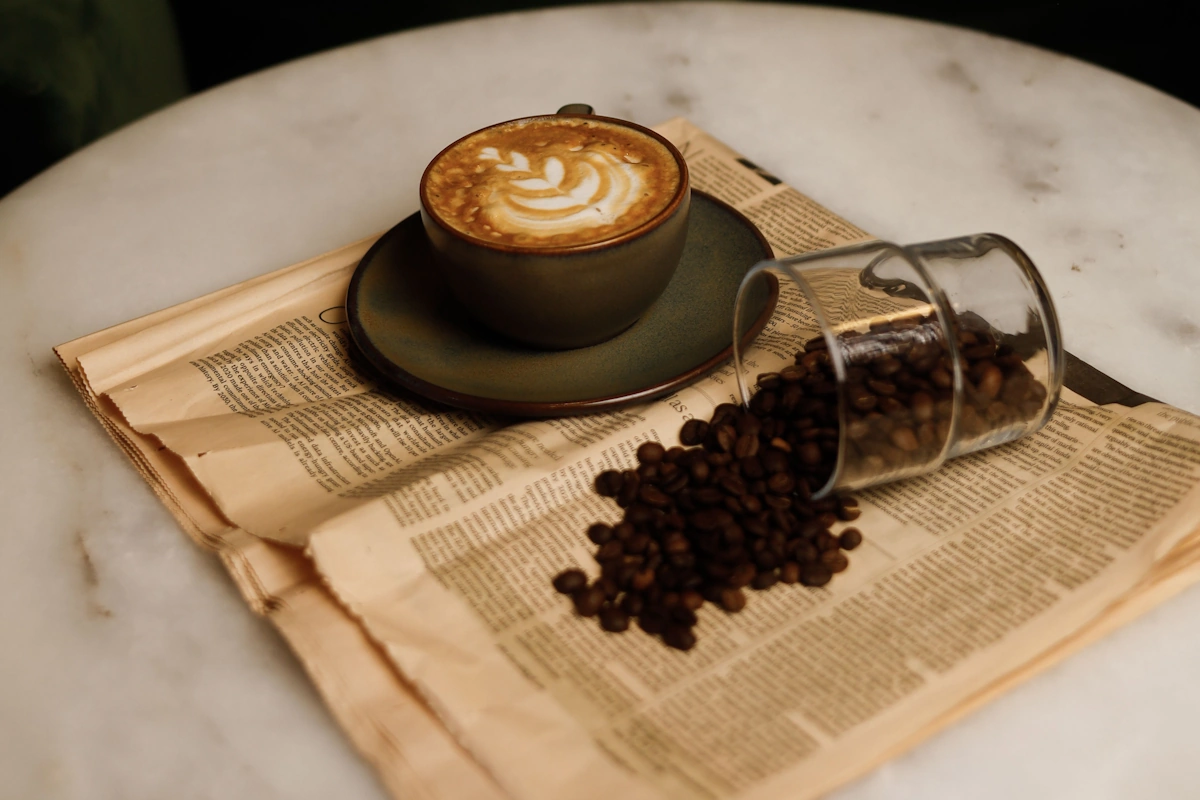
Spanish Coffee: Café Solo, Cortado, Carajillo and the Modern Specialty Coffee Wave
Learn how to order Spanish coffee, from café solo and cortado to carajillo and trifásico, and discover Spain’s growing specialty coffee scene.
17 Oct 2026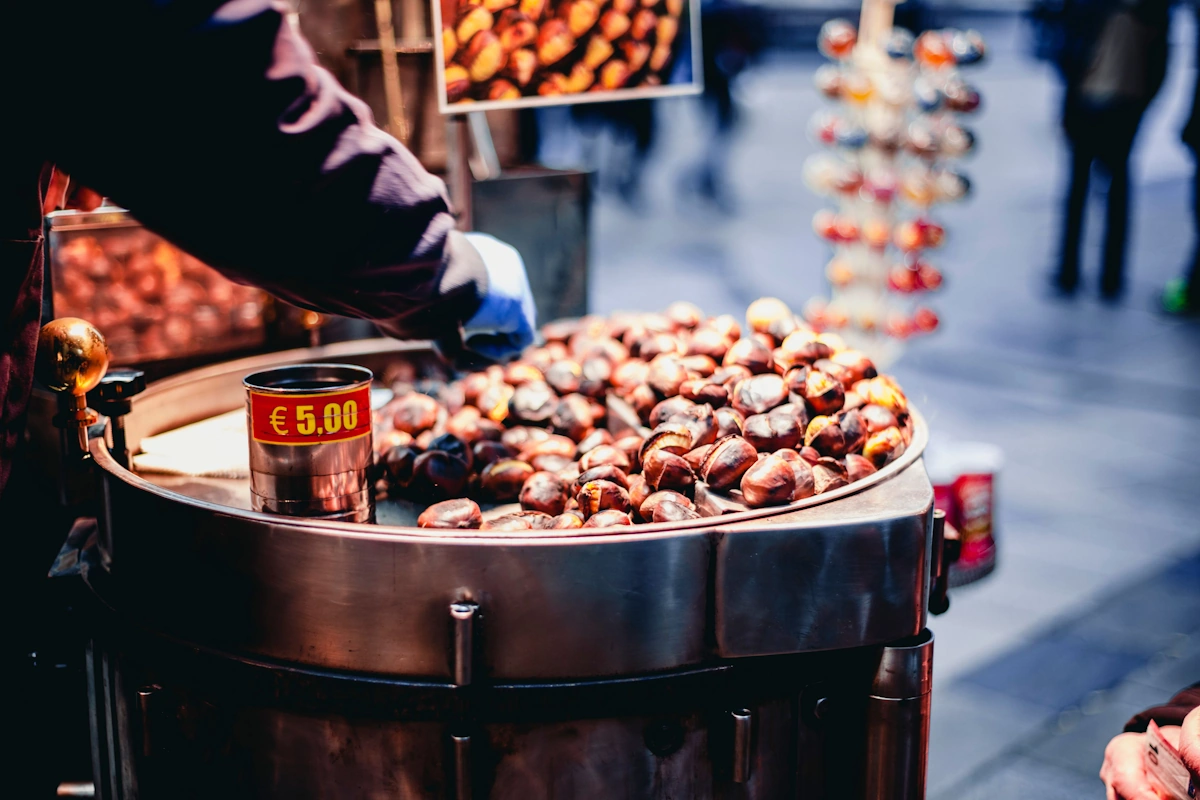
La Castanyada in Catalonia: Chestnuts, Panellets and an Autumn Tradition
Discover La Castanyada, Catalonia’s autumn tradition of roasted chestnuts, panellets and sweet potatoes, celebrated around All Saints’ Day.
14 Oct 2026
Spain’s General Election on 29 November 2026: Causes, Candidates and Key Issues
Spain votes on 29 November 2026 after a housing crisis and parliamentary deadlock. Explore the main candidates, party policies and key issues.
9 Oct 2026
Comments
Comments
Loading comments...
Sign in to leave a comment