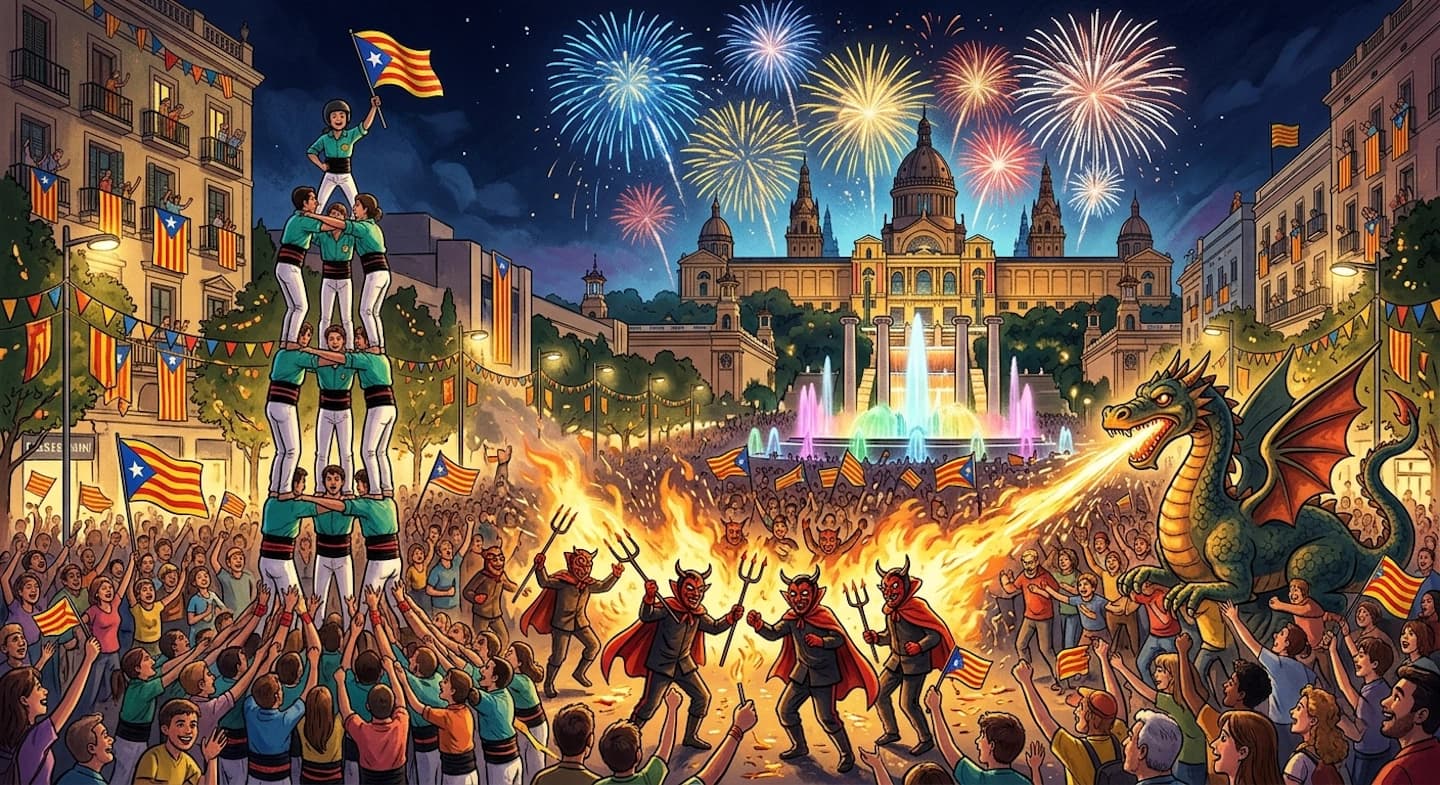
La Mercè: Barcelona’s Great Annual Festival
Discover the history of La Mercè, Barcelona’s biggest annual festival. Learn why the city celebrates Our Lady of Mercy, how the tradition began, how old the festival is and the Catalan traditions you can experience during La Mercè.
What Is La Mercè?
La Mercè is Barcelona’s main annual city festival, or Festa Major. It takes place around 24 September, the feast day of Mare de Déu de la Mercè, or Our Lady of Mercy, one of Barcelona’s patron saints.
Although La Mercè has religious origins, the modern festival is much broader. For several days, Barcelona fills its streets and squares with concerts, traditional Catalan culture, dance, theatre, fireworks, parades and activities for families. In 2026, the official festival runs from 23 to 27 September.
Why Is It Called La Mercè?
The name comes from the Mare de Déu de la Mercè, the Virgin of Mercy.
According to Barcelona’s traditional legend, on 24 September 1218, the Virgin appeared simultaneously to King Jaume I, Saint Pere Nolasc and Saint Ramon de Penyafort. She asked them to establish a religious order dedicated to rescuing Christian captives held in Muslim territories. This became the Order of the Blessed Virgin Mary of Mercy, or Mercedarians.
Centuries later, the Virgin became associated with Barcelona itself. In 1687, the city suffered a serious plague of locusts. According to tradition, Barcelona prayed to the Virgin of La Mercè, and after the plague disappeared, the city council declared her its patron saint. Her patronage was formally approved by Pope Pius IX in 1868. She shares the patronage of Barcelona with Santa Eulàlia.
How Old Is La Mercè?
The religious story goes back more than 800 years, to the traditional apparition of 1218. However, the modern city festival is considerably younger.
The first recorded celebration of La Mercè as a city festival took place in 1871. Since then, it has developed from a religious celebration into Barcelona’s largest annual public festival.
The festival changed particularly during the early 20th century. The 1902 edition was an important moment because the celebrations were expanded and brought together many traditional Catalan cultural activities. This helped establish the model of La Mercè that Barcelona still recognises today.
What Happens During La Mercè?
One of the most interesting things about La Mercè is the combination of old Catalan traditions with modern cultural events.
Castellers
Castellers, or human towers, are among the most spectacular traditions. Groups of people climb onto one another to construct towers several levels high. During La Mercè, performances traditionally take place in front of Barcelona City Hall in Plaça de Sant Jaume.
Gegants and Capgrossos
Huge figures known as gegants, together with the smaller capgrossos or big-headed figures, appear in parades through the city.
The figures can represent historical characters, mythical figures or traditional personalities. Their processions are particularly popular with families and children.
Correfoc
The correfoc, meaning “fire run”, is one of the most energetic traditions of the festival. Participants dressed as devils and other fantastic creatures run through the streets carrying fireworks and sparklers.
It is spectacular but also very loud and fiery, so visitors should keep a safe distance and protect themselves from sparks. The tradition is part of the wider Catalan culture of fire festivals.
Sardanes
The sardana, Catalonia’s traditional circle dance, is another regular part of the celebrations. Dancers join hands and move in a carefully coordinated circle to the music of a cobla.
Music, Arts and Fireworks
La Mercè is not only about traditional culture. The modern festival includes large programmes of concerts, street arts, dance, circus and contemporary performances.
The city also hosts music programmes such as BAM and Música Mercè, bringing artists to public spaces around Barcelona. The festival traditionally ends with the Piromusical, combining fireworks, music and light.
This combination is what makes La Mercè particularly interesting: it connects Barcelona’s religious history and Catalan traditions with contemporary urban culture.
Why Is La Mercè Important to Barcelona?
La Mercè is important because it is essentially Barcelona’s city-wide Festa Major. While individual neighbourhoods have their own annual festivals, La Mercè brings the whole city together.
It is also an opportunity for Barcelona to present Catalan traditions to residents and visitors. Giants, human towers, sardanes, fire runs, music and street performances turn public spaces into temporary stages.
For a visitor, La Mercè offers something different from Barcelona’s usual tourist attractions. Instead of simply visiting monuments and museums, you can see the city celebrating its own history, traditions and contemporary culture in the streets.
Ready to explore Barcelona?
Build your personalised itinerary in 30 seconds — starting from your hotel.
Build my Barcelona route →Related articles
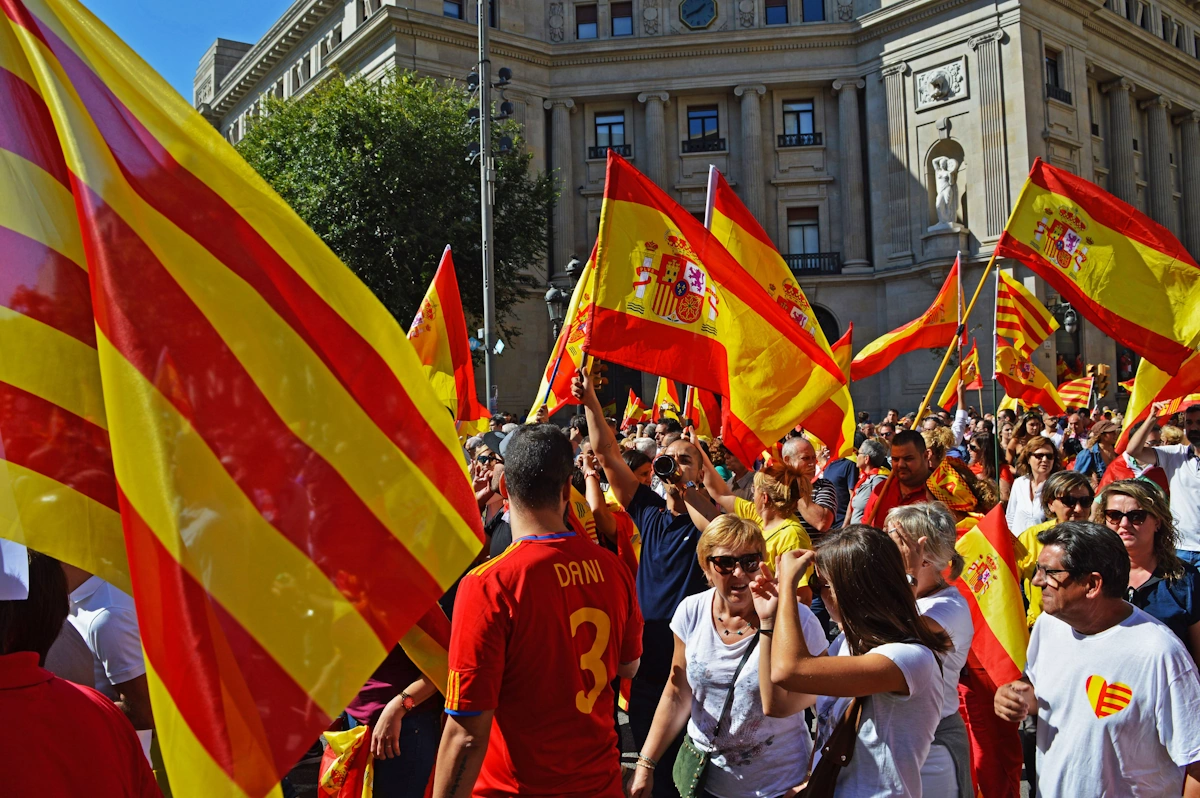
12 October: Spain’s National Day and Día de la Hispanidad
Discover why Spain celebrates 12 October as its National Day, its history, the Día de la Hispanidad and what the holiday means in Catalonia.
8 Oct 2026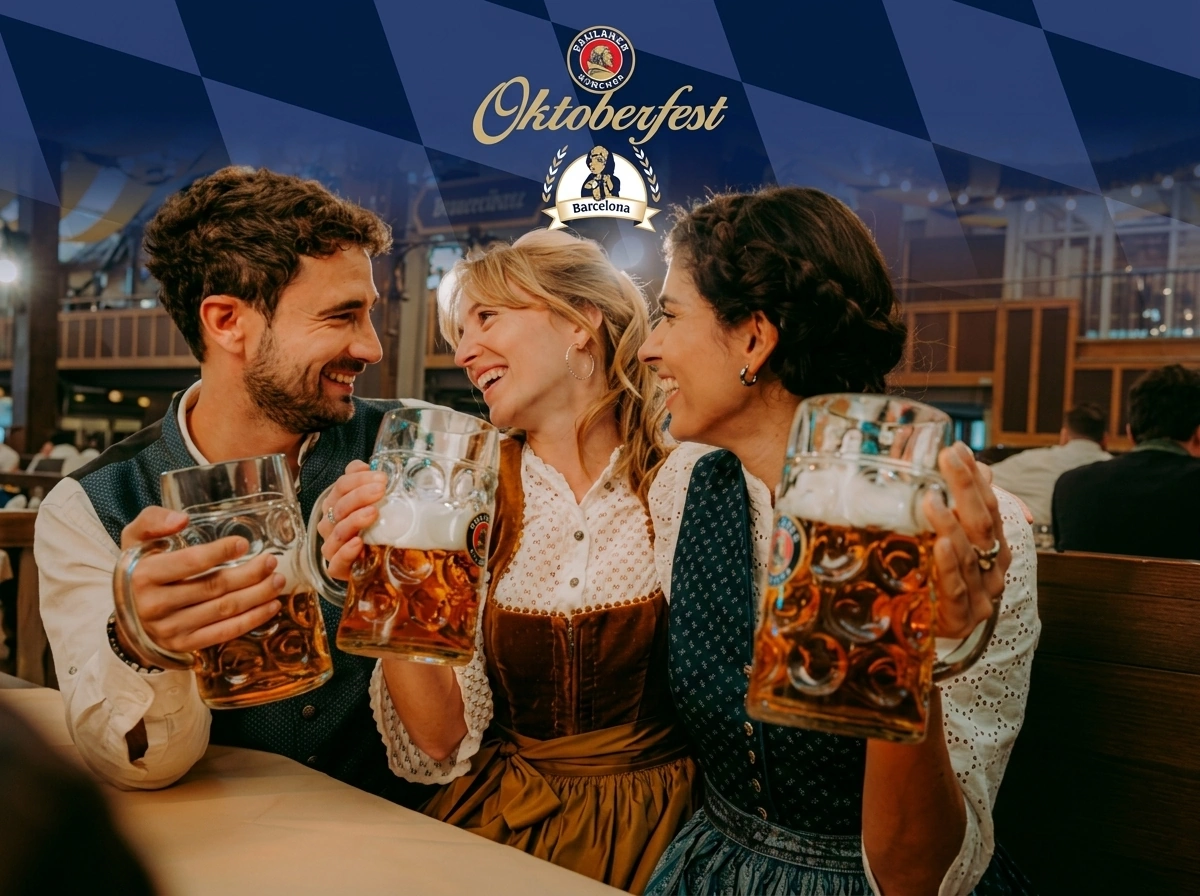
Oktoberfest Barcelona: Bavaria Meets Barcelona at La Wiesn
Oktoberfest Barcelona brings Bavarian beer, food, music and traditions to La Wiesn, with a distinctly Mediterranean atmosphere.
4 Oct 2026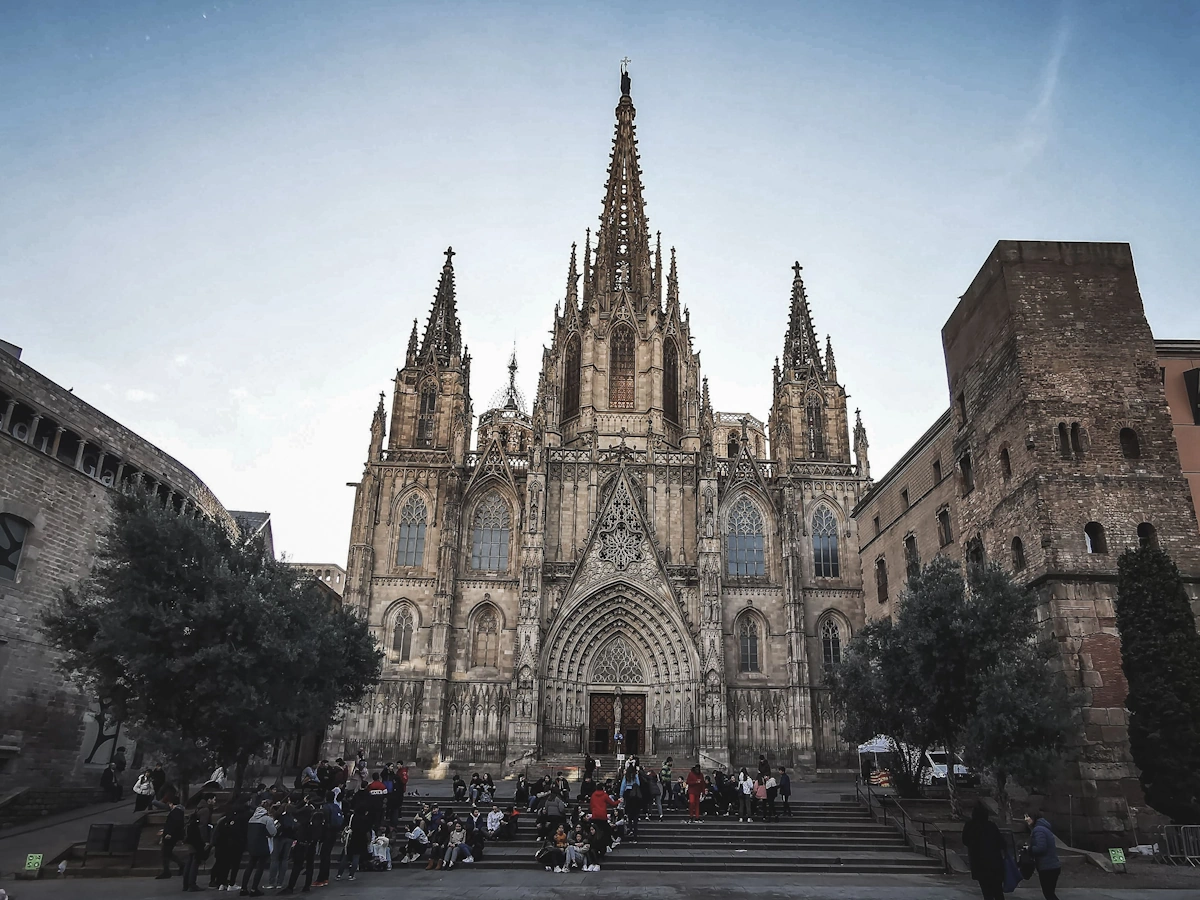
Catedral de Barcelona: History, Construction and Interesting Facts
Discover Barcelona Cathedral’s history, from its ancient foundations and Gothic construction to its Neo-Gothic façade, famous figures and fascinating facts.
2 Oct 2026
Comments
Comments
Loading comments...
Sign in to leave a comment