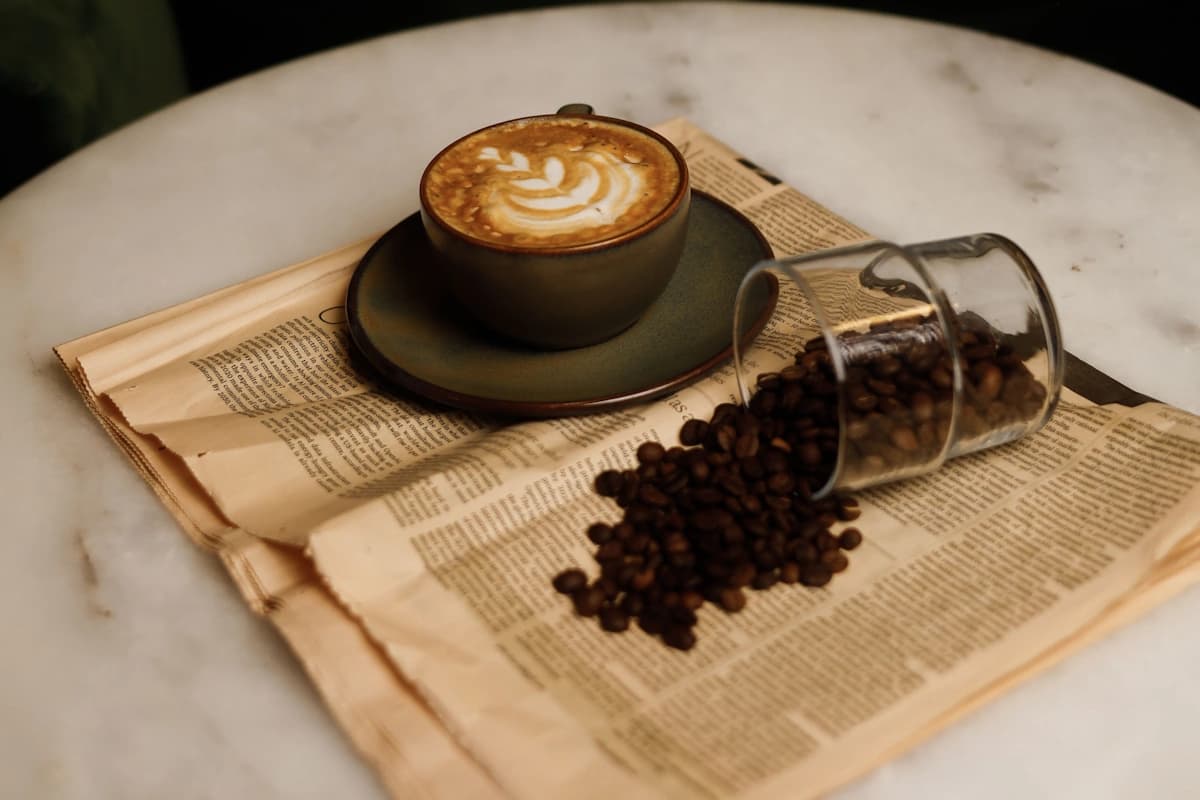
Spanish Coffee: Café Solo, Cortado, Carajillo and the Modern Specialty Coffee Wave
Learn how to order Spanish coffee, from café solo and cortado to carajillo and trifásico, and discover Spain’s growing specialty coffee scene.
Ordering coffee in Spain seems simple until you stand at a busy café counter and hear someone ask for a cortado, a café con hielo or a trifásico. Unlike countries where coffee menus are organised mainly by cup size, traditional Spanish cafés offer a vocabulary based on the amount of milk, the way the coffee is served and what is added to it.
Coffee in Spain is more than a morning drink. It is a short break at the bar, a pause after lunch, a meeting with friends or the final part of a long meal. Traditional neighbourhood cafés remain central to everyday life, while a newer generation of specialty coffee shops is introducing single-origin beans, lighter roasts and carefully controlled brewing.
Here is how to understand Spanish coffee, order it like a local and discover how the country's coffee culture is changing.
The classic Spanish coffee orders
Café solo: a small, strong black coffee
A café solo is a single espresso served without milk. It is usually presented in a small cup or glass and is one of the most common choices after lunch or dinner.
Although it resembles espresso in Italy, the flavour depends on the café's beans, roast and machine settings. Traditional Spanish bars have often favoured darker, stronger-tasting blends, so the result can be more bitter or roasted in flavour than the coffee served in some modern specialty cafés.
If you want a larger or stronger serving, you can ask for a solo doble (double) or a solo largo (a longer coffee, though the exact preparation varies).
Cortado: coffee with a little milk
A cortado is an espresso with a small amount of hot milk. The name comes from cortar, meaning “to cut”: the milk softens the coffee's intensity without hiding its flavour.
It is a good middle ground between a black coffee and a milky drink. A cortado is usually smaller than a café con leche and is often served in a small glass.
In Catalonia, you will commonly hear tallat, the Catalan equivalent. If you order a cortado in Barcelona, you will generally be understood, but un tallat, si us plau is a useful local phrase.
Café con leche: Spain's classic milky coffee
A café con leche combines espresso with a generous quantity of hot milk, often in roughly equal proportions. The exact ratio varies from one café to another.
It is especially popular at breakfast, often accompanied by toast, a croissant or pa amb tomàquet in Catalonia. Compared with a traditional cappuccino, a café con leche usually has less emphasis on a thick layer of foam and more on the straightforward combination of coffee and milk.
It is not simply a Spanish latte: the serving size, milk texture and coffee-to-milk ratio depend on local habits rather than one standard recipe.
Café con leche en vaso: the same coffee in a glass
In many traditional Spanish cafés, coffee is served in a small glass rather than a ceramic cup. You can therefore ask for a café con leche en vaso — coffee with milk in a glass.
The drink itself is not necessarily different. The request is mainly about the serving vessel, although the glass may influence the perceived size and temperature of the coffee.
Glassware is a familiar sight at Spanish bars, where cortados and cafés con leche are often served this way. If you prefer a cup, you can ask for en taza.
Café con hielo: Spanish iced coffee
When summer temperatures rise, café con hielo becomes a popular choice. You normally receive a freshly prepared hot espresso and a separate glass filled with ice cubes.
Add sugar to the hot coffee if you like, stir until it dissolves, and pour the coffee over the ice. The result is a simple, refreshing iced coffee without the need for a blender or elaborate preparation.
In parts of the Valencian Community, you may also encounter café del tiempo, a related regional drink often served with a slice of lemon. It is a reminder that coffee traditions vary across Spain, even when the ingredients are similar.
Decaffeinated coffee: de máquina or de sobre?
Spain has two useful expressions for ordering decaffeinated coffee, and the distinction can make a real difference.
Descafeinado de máquina means decaffeinated coffee prepared using the café's espresso machine. The establishment uses decaffeinated coffee suitable for its machine, so the drink resembles a regular espresso or milk coffee in preparation.
Descafeinado de sobre means decaffeinated coffee from an individual sachet, usually instant coffee powder. It is mixed with hot water or milk rather than extracted through the espresso machine.
The second option is often a simpler alternative when a café does not have decaffeinated beans available for its machine. If you want a machine-made cortado or café con leche without caffeine, specify de máquina when ordering.
A useful phrase is: Un cortado descafeinado de máquina, por favor — a decaffeinated cortado made with the machine, please.
Carajillo: coffee with a shot of alcohol
A carajillo combines coffee with a spirit, traditionally brandy, although rum, whisky, anise-flavoured spirits and other liqueurs may also be used.
It is often ordered after a meal, when a small coffee becomes a stronger, more leisurely finish to lunch or dinner. Depending on the bar and the recipe, the alcohol may simply be added to the coffee or prepared with additional ingredients such as sugar and citrus peel.
The exact origin of the name is debated, and recipes differ by region. The important thing to remember is that a carajillo is not an ordinary coffee with milk: it includes alcohol, so it is worth asking which spirit the café uses.
Trifásico: coffee, milk and alcohol
A trifásico — also called cafè trifàsic in Catalan—is a coffee made with three components: coffee, milk and alcohol. It can be understood as a carajillo with milk, although the proportions and presentation vary.
It is often served in a small glass, sometimes with the ingredients arranged in visible layers. The spirit may be brandy, rum or another option offered by the café.
The name literally means “three-phase” or “three-part”, referring to its three main components. In Catalonia, the drink fits naturally into the tradition of small after-meal coffees, though it is not available in every café.
So, what is the Spanish version of a cappuccino?
There is no single traditional Spanish drink that exactly corresponds to the Italian cappuccino.
For an everyday coffee with milk, the closest familiar option is often a café con leche. However, a cappuccino is normally defined by its espresso base and textured milk, with a more noticeable layer of foam. Spanish cafés that offer a capuchino generally serve an internationally recognisable version, sometimes topped with cocoa powder or cinnamon.
If you want a cappuccino, ask for un capuchino. If you simply want coffee and hot milk, order un café con leche. If you prefer a smaller drink with only a little milk, choose a cortado.
The distinction matters because the names describe different expectations, even though the ingredients overlap.
Why is coffee in Spain different?
Spanish coffee culture developed around the espresso machine, neighbourhood bars and the social habits of eating and drinking outside the home. A coffee break is often brief, but it can happen several times throughout the day: at breakfast, during a work break, after lunch or as part of an evening outing.
The traditional menu reflects this practical culture. Instead of choosing only between small, medium and large, customers specify the strength of the coffee, the amount of milk, the serving glass or the addition of ice or alcohol. Many regulars do not need to look at a menu at all.
Another factor is roasting. Some traditional commercial coffees in Spain use torrefacto, a method in which sugar is added during roasting. This creates very dark beans with a shiny surface and a pronounced bitter, roasted flavour. Torrefacto has been part of the Spanish coffee market for generations, although not all Spanish coffee is roasted this way, and it should not be confused with the country's entire coffee culture.
Spanish coffee also reflects its regional diversity. Catalonia has its tallat and trifàsic; Valencia has its café del tiempo; and other regions have their own names and preparations. There is no single recipe followed by every bar in Spain.
The new wave: specialty coffee in Spain
In recent years, a growing specialty coffee scene has added another dimension to Spanish coffee culture. In cities such as Barcelona and Madrid, independent cafés and roasters increasingly focus on bean origin, freshness, roasting profiles and extraction techniques.
Specialty coffee shops often offer beans from specific farms or regions, with tasting notes describing fruit, chocolate, flowers or nuts. Instead of relying mainly on a dark roast and a familiar blend, they may use lighter roasting to highlight the coffee's natural characteristics.
The brewing methods can also be different. Alongside espresso, customers may find filter coffee prepared using a V60, AeroPress or other manual brewing equipment. Baristas pay close attention to water temperature, grind size, brewing time and the quality of the milk. Plant-based alternatives, including oat milk, are also common in many modern cafés.
Barcelona has become a visible part of this movement, with local roasters and independent coffee shops offering an alternative to the traditional neighbourhood bar. Madrid has also developed a strong specialty scene. These cafés attract local customers, international visitors and people interested in learning more about coffee's origins and production.
However, specialty coffee has not replaced traditional Spanish coffee. Both cultures coexist: a regular customer may enjoy a quick cortado at the corner bar in the morning and visit a specialty café for a carefully prepared filter coffee at the weekend.
How to order coffee like a local
If you are visiting Spain, these simple phrases will help:
Un café solo, por favor — a black espresso.
Un cortado — espresso with a little milk.
Un café con leche — coffee with plenty of hot milk.
Un café con leche en vaso — coffee with milk served in a glass.
Un café con hielo — coffee served with a separate glass of ice.
Un descafeinado de máquina — machine-made decaffeinated coffee.
Un descafeinado de sobre — instant decaffeinated coffee from a sachet.
Un carajillo — coffee with alcohol.
Un trifásico — coffee with milk and alcohol.
Un capuchino — a cappuccino.
Coffee names and preparation can vary, so do not be surprised if the same order looks slightly different from one establishment to another.
Two coffee cultures, one country
Spanish coffee is distinctive because it combines everyday rituals with a detailed vocabulary of small variations. A cortado, a café con hielo and a carajillo may share the same espresso base, but each belongs to a different moment, preference or social habit.
The specialty coffee wave is expanding what cafés offer, introducing new beans, brewing techniques and ways of thinking about flavour. Yet the traditional bar—with its glass cups, quick coffees and familiar orders—remains an essential part of daily life.
For visitors, the best approach is to try both. Order a cortado at a neighbourhood bar, enjoy a café con hielo on a hot afternoon, and then explore a specialty café to discover how much flavour a different bean or brewing method can reveal. Together, these experiences tell a richer story of coffee in Spain than any single drink could.
Ready to explore Barcelona?
Build your personalised itinerary in 30 seconds — starting from your hotel.
Build my Barcelona route →Related articles
La Castanyada in Catalonia: Chestnuts, Panellets and an Autumn Tradition
Discover La Castanyada, Catalonia’s autumn tradition of roasted chestnuts, panellets and sweet potatoes, celebrated around All Saints’ Day.
14 Oct 2026
Spain’s General Election on 29 November 2026: Causes, Candidates and Key Issues
Spain votes on 29 November 2026 after a housing crisis and parliamentary deadlock. Explore the main candidates, party policies and key issues.
9 Oct 2026
12 October: Spain’s National Day and Día de la Hispanidad
Discover why Spain celebrates 12 October as its National Day, its history, the Día de la Hispanidad and what the holiday means in Catalonia.
8 Oct 2026
Comments
Comments
Loading comments...
Sign in to leave a comment