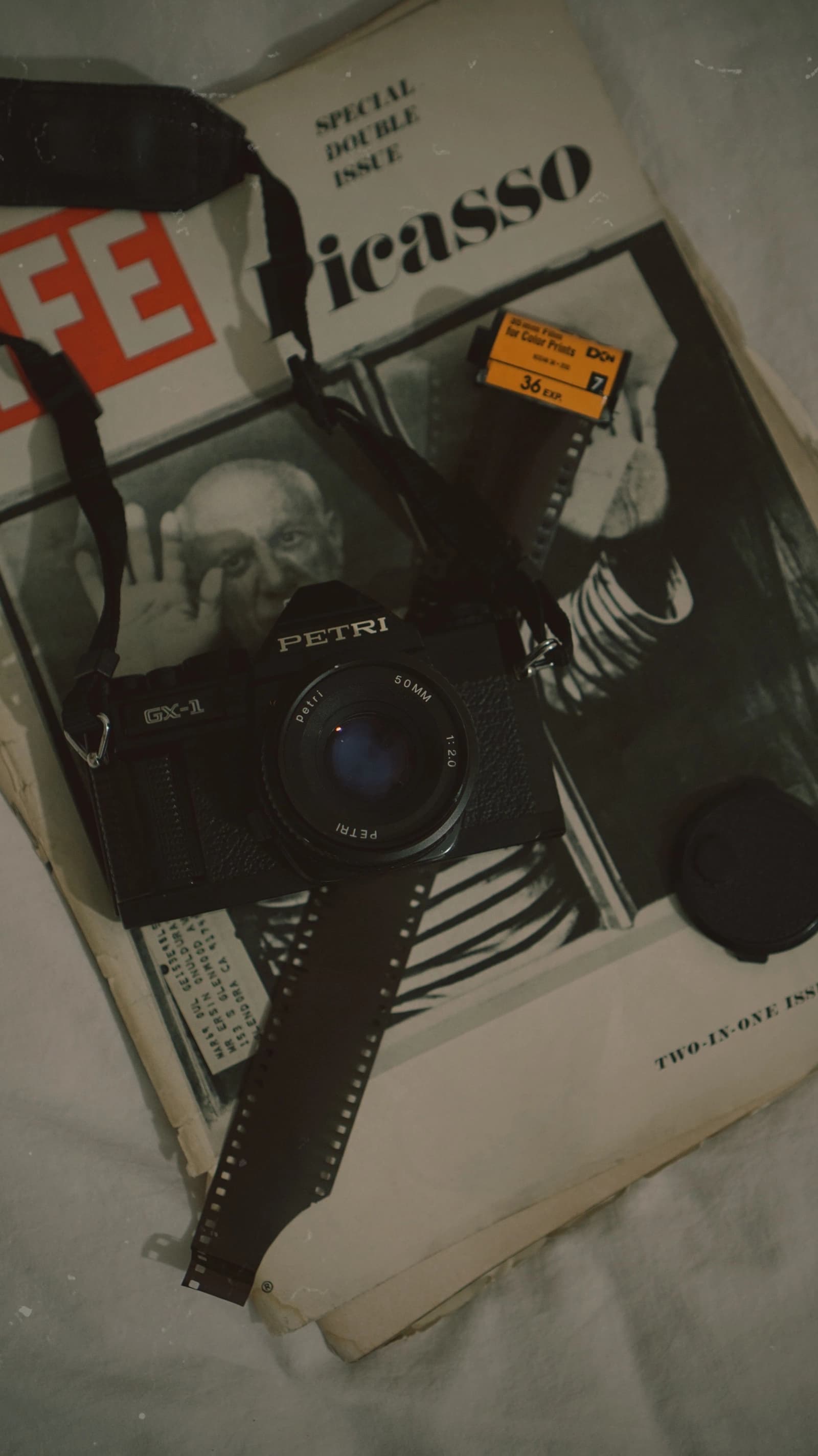
Picasso and Barcelona: The City Where a Young Artist Became Picasso
Discover Picasso’s connection with Barcelona, where he lived from 1895 to 1904, studied art, made his first exhibitions and became part of the city’s vibrant artistic community. Learn how Barcelona shaped the young artist and his lasting legacy in Catalonia.
Picasso and Barcelona: The Beginning of a Remarkable Story
When people think of Pablo Picasso, they often think of Málaga, Paris or the Cubist masterpieces that made him famous. But Barcelona holds a special place in his life. The city was where Picasso spent his teenage years, developed his artistic identity and began moving from being a talented student towards becoming a professional artist.
Picasso was born in Málaga in 1881, but his family moved to Barcelona in September 1895, when he was only thirteen years old. His father, José Ruiz Blasco, had received a teaching position at Barcelona's School of Fine Arts, known as La Llotja, and Picasso enrolled there soon after arriving. He would live in Barcelona, with some periods away, until his definitive move to Paris in 1904.
Barcelona as His Artistic School
La Llotja gave Picasso a formal academic education, but Barcelona itself became an even more important teacher. He lived mainly around the old city and La Ribera, surrounded by artists, cafés, theatres, working-class streets and the rapidly changing modern city.
During these years, Picasso filled notebooks with drawings and studied traditional subjects, portraits and landscapes. At the same time, he increasingly looked beyond academic rules. The city gave him access to a young artistic community that was interested in new European ideas and modern culture.
One of the most important places in this story was Els Quatre Gats, a café and meeting place for artists and intellectuals. Picasso began visiting it in 1899 and became part of its lively artistic circle. He met people who would remain important to him, including his close friend Jaume Sabartés and artist Carles Casagemas.
Interesting Facts About Picasso in Barcelona
Picasso's Barcelona years were surprisingly productive. In 1896, when he was still a teenager, he exhibited First Communion at the Barcelona Fine Arts and Artistic Industries Exhibition. The following year, he painted Science and Charity, a large academic composition that received an honourable medal in Madrid.
In 1900, Picasso held his first individual exhibition at Els Quatre Gats. That same year, he travelled to Paris for the Universal Exhibition, beginning a relationship with the French capital that would eventually lead him to leave Barcelona permanently.
Another interesting detail is how much of Picasso's early Barcelona life can still be traced today. His former homes and studios were concentrated around the old city, including Carrer de la Plata, Carrer de la Mercè and Carrer de la Riera de Sant Joan. The streets, cafés and neighbourhoods he knew are still part of Barcelona's historic centre.
Picasso's Lasting Importance to Barcelona
Picasso never became a Catalan by birth, but Barcelona became an essential part of his artistic identity. The city witnessed his transformation from a gifted teenager into an ambitious young artist and remained emotionally important to him throughout his life.
His connection with Barcelona is celebrated today through the Museu Picasso Barcelona, which holds one of the world's most important collections of his early work. The museum itself exists partly because Picasso's personal and artistic relationship with the city remained so strong.
For visitors, following Picasso's footsteps through La Ribera, Els Quatre Gats and the old city offers a different way to understand his art. Before he became the Picasso known around the world, he was a young artist discovering modern life—and Barcelona was the city where that transformation began.
Ready to explore Barcelona?
Build your personalised itinerary in 30 seconds — starting from your hotel.
Build my Barcelona route →Related articles
Okupas in Spain: The Situation in Catalonia and Barcelona
Explore the debate over okupas in Spain, with a focus on Catalonia and Barcelona, current statistics, public opinion and possible solutions.
11 Oct 2026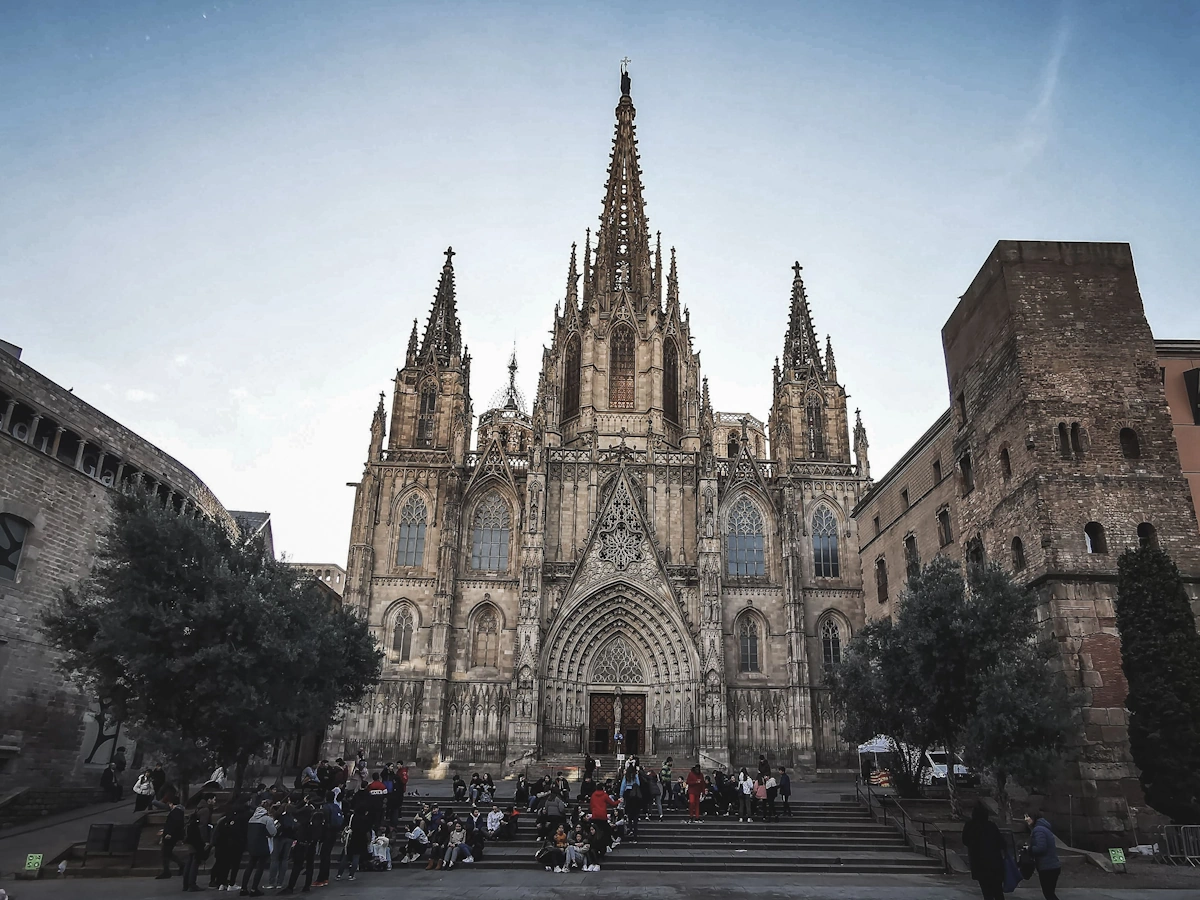
Catedral de Barcelona: History, Construction and Interesting Facts
Discover Barcelona Cathedral’s history, from its ancient foundations and Gothic construction to its Neo-Gothic façade, famous figures and fascinating facts.
2 Oct 2026
Joan Miró: Life, Work, Recognition and Legacy
Discover Joan Miró’s life, artistic journey, international recognition and lasting legacy in Barcelona, Catalonia and the world.
29 Sept 2026
Comments
Comments
Loading comments...
Sign in to leave a comment