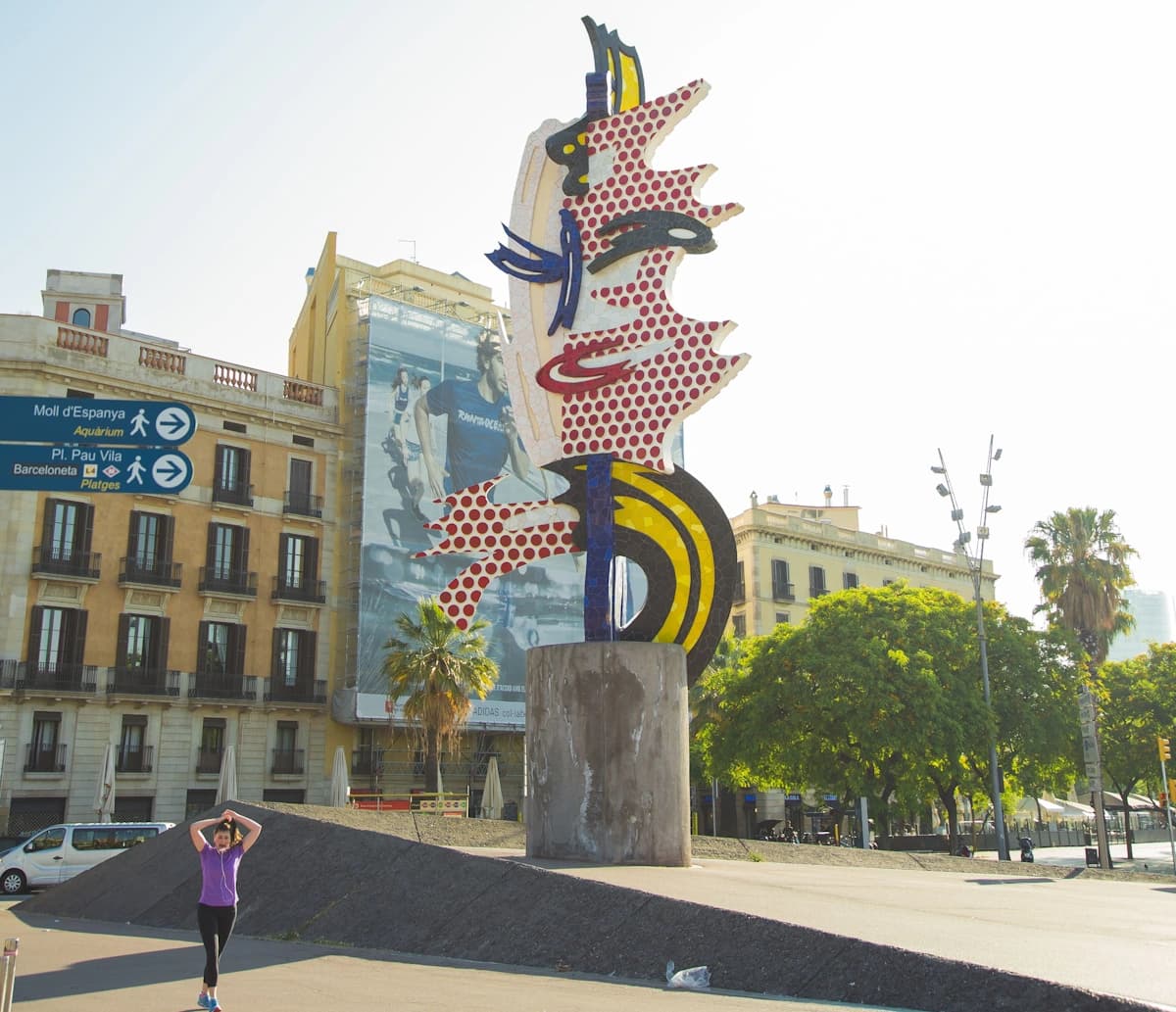
Joan Miró: Life, Work, Recognition and Legacy
Discover Joan Miró’s life, artistic journey, international recognition and lasting legacy in Barcelona, Catalonia and the world.
Joan Miró was one of the most distinctive artists of the 20th century. Born in Barcelona in 1893, he developed a visual language of simple forms, vivid colours, symbols and dreamlike figures that became instantly recognisable. Although often associated with Surrealism, Miró resisted being placed in a single artistic category. Throughout his long career, he experimented with painting, sculpture, ceramics, prints, textiles and public art. His work also remained deeply connected to Catalonia, particularly Barcelona, Mont-roig and Mallorca.
Miró's Early Life
Joan Miró i Ferrà was born on 20 April 1893 at Passatge del Crèdit in Barcelona. His father was a silversmith and watchmaker, while his mother came from a family connected with cabinetmaking. Miró showed an interest in drawing from a young age. At the age of 14, he began studying commerce at his father's insistence, while also attending evening drawing classes at Barcelona's La Llotja art school. His teachers included the artists Modest Urgell and Josep Pascó.
His early career did not immediately point towards the highly abstract style for which he would later become famous. His first paintings were influenced by Fauvism, Expressionism and Cubism. A particularly important place in his development was Mont-roig del Camp, in Tarragona province, where his family had a farmhouse. The landscape and rural life there became a lasting source of inspiration.
In 1911, after suffering an illness, Miró spent time recovering in Mont-roig and firmly decided to become a painter. The countryside, agricultural work and simple objects he observed there would continue to appear throughout his artistic career.
Paris and the Development of His Style
In 1920, Miró travelled to Paris, where he encountered the international avant-garde and met artists and writers who were changing modern art. His friendship with André Masson and his contact with the Surrealist circle became particularly important.
Miró's paintings gradually moved away from conventional representation. Objects, animals and people were transformed into simplified shapes and personal symbols. Works such as The Hunter (Catalan Landscape) and Harlequin's Carnival demonstrate this transition between recognisable reality and a more imaginative visual world. André Breton, one of the founders of Surrealism, recognised Miró's importance, and Miró became closely associated with the movement while maintaining his own highly individual approach.
His artistic vocabulary increasingly included stars, moons, birds, women, eyes and abstract forms. These symbols did not always have one fixed meaning. Instead, Miró used them to create an imaginative universe that connected the everyday world with dreams and the subconscious.
International Recognition
Miró's reputation expanded rapidly beyond Europe. His work began entering major international collections, including the Museum of Modern Art in New York, which acquired works by him in the 1920s. He held exhibitions in Paris and New York and developed important relationships with galleries, collectors and artists in the United States.
After the Second World War, his international recognition grew further. He continued to experiment rather than concentrating solely on painting. He worked with ceramics, printmaking, sculpture, tapestry and large-scale murals. In 1958, his two murals for UNESCO in Paris received the Guggenheim International Award. In 1967, he received the Carnegie International Grand Prize for painting. He was also awarded honorary doctorates, including one from Harvard University.
This constant experimentation was central to Miró's career. He demonstrated that an artist could move freely between painting, sculpture, ceramics and public art without losing a recognisable personal identity.
Barcelona and Miró's Legacy
Miró never abandoned his connection with Barcelona and Catalonia. In the 1970s, he helped create the Fundació Joan Miró on Montjuïc, designed by his friend and architect Josep Lluís Sert. The foundation opened to the public in 1975 and was conceived as a living centre for Miró's work and contemporary art.
Barcelona also contains several important public works by Miró. One of the most famous is the colourful ceramic pavement on the Rambla, known as Pla de l'Os, created with ceramicist Joan Gardy Artigas. Another is Dona i Ocell (Woman and Bird), the monumental sculpture installed in the park now named Parc de Joan Miró in 1982.
Miró died in Palma de Mallorca on 25 December 1983, aged 90, and was buried in Montjuïc Cemetery in Barcelona.
His legacy remains particularly strong in Barcelona. The Fundació Joan Miró holds thousands of works and preparatory drawings, while museums around the world continue to exhibit his paintings, sculptures and graphic works.
Joan Miró's importance lies not only in his distinctive style but also in his willingness to keep experimenting. He transformed familiar things—stars, birds, landscapes, people and everyday objects—into a personal artistic language. His work connected Catalan identity with the international avant-garde and helped make Barcelona an important centre for modern and contemporary art.
Ready to explore Barcelona?
Build your personalised itinerary in 30 seconds — starting from your hotel.
Build my Barcelona route →Related articles
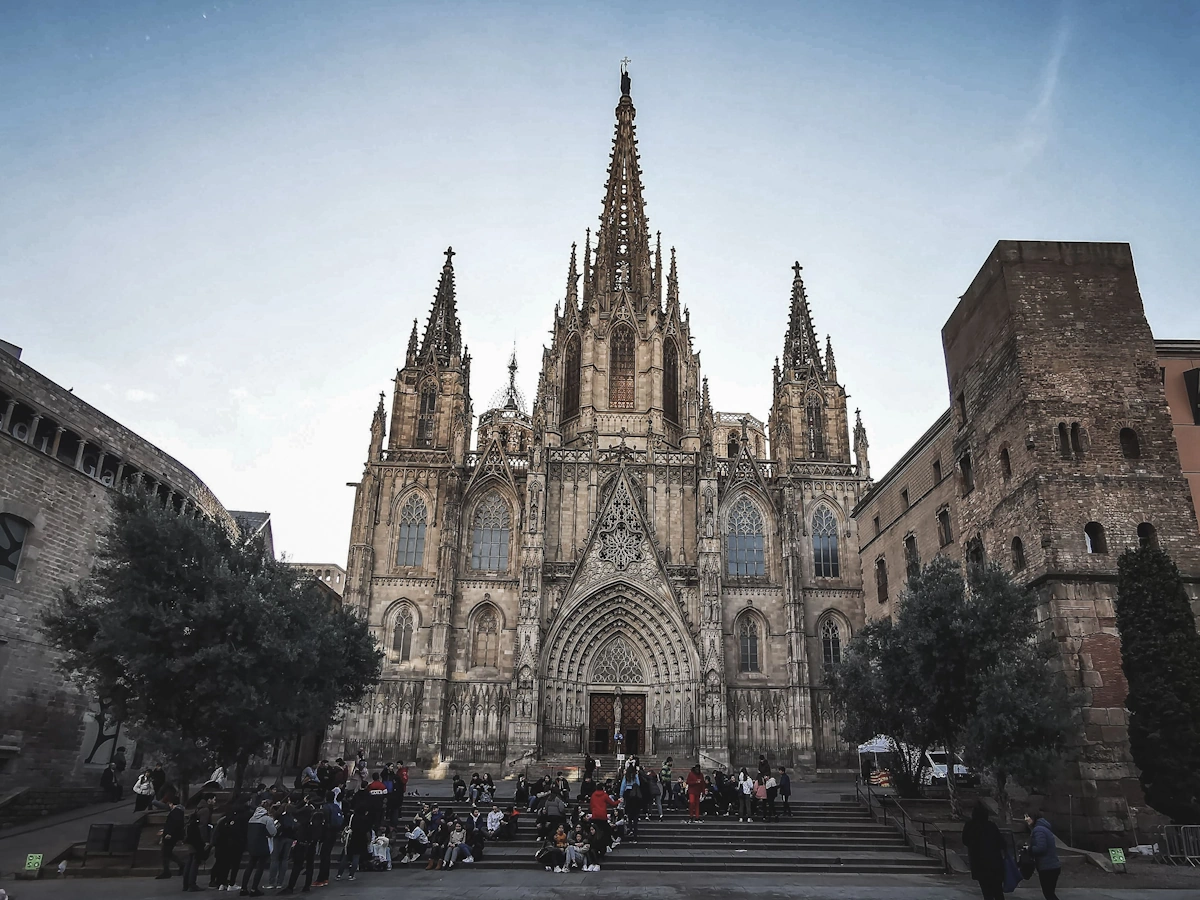
Catedral de Barcelona: History, Construction and Interesting Facts
Discover Barcelona Cathedral’s history, from its ancient foundations and Gothic construction to its Neo-Gothic façade, famous figures and fascinating facts.
2 Oct 2026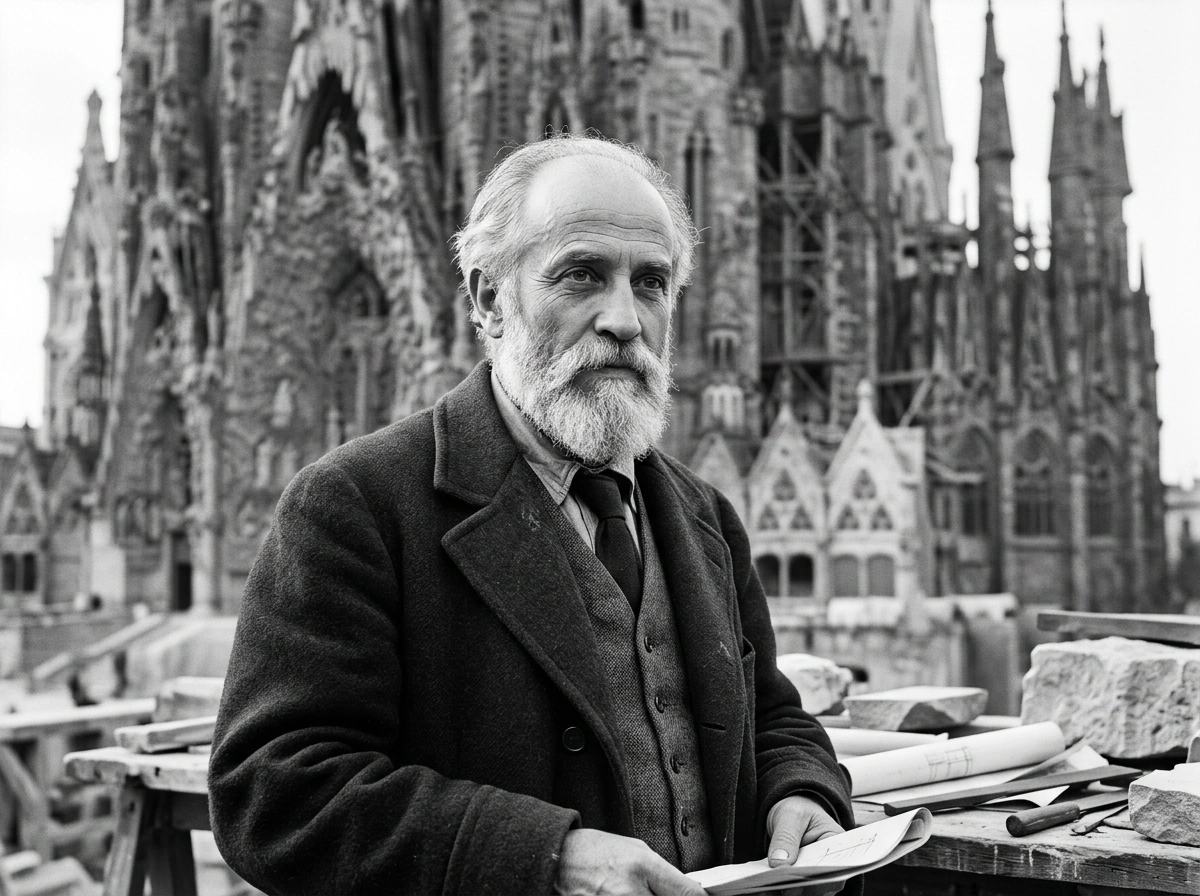
Antoni Gaudí: Life, Inspiration, Famous Works and Legacy
Discover Antoni Gaudí’s life, inspirations, famous Barcelona buildings, tragic death and lasting legacy in Catalan architecture.
27 Sept 2026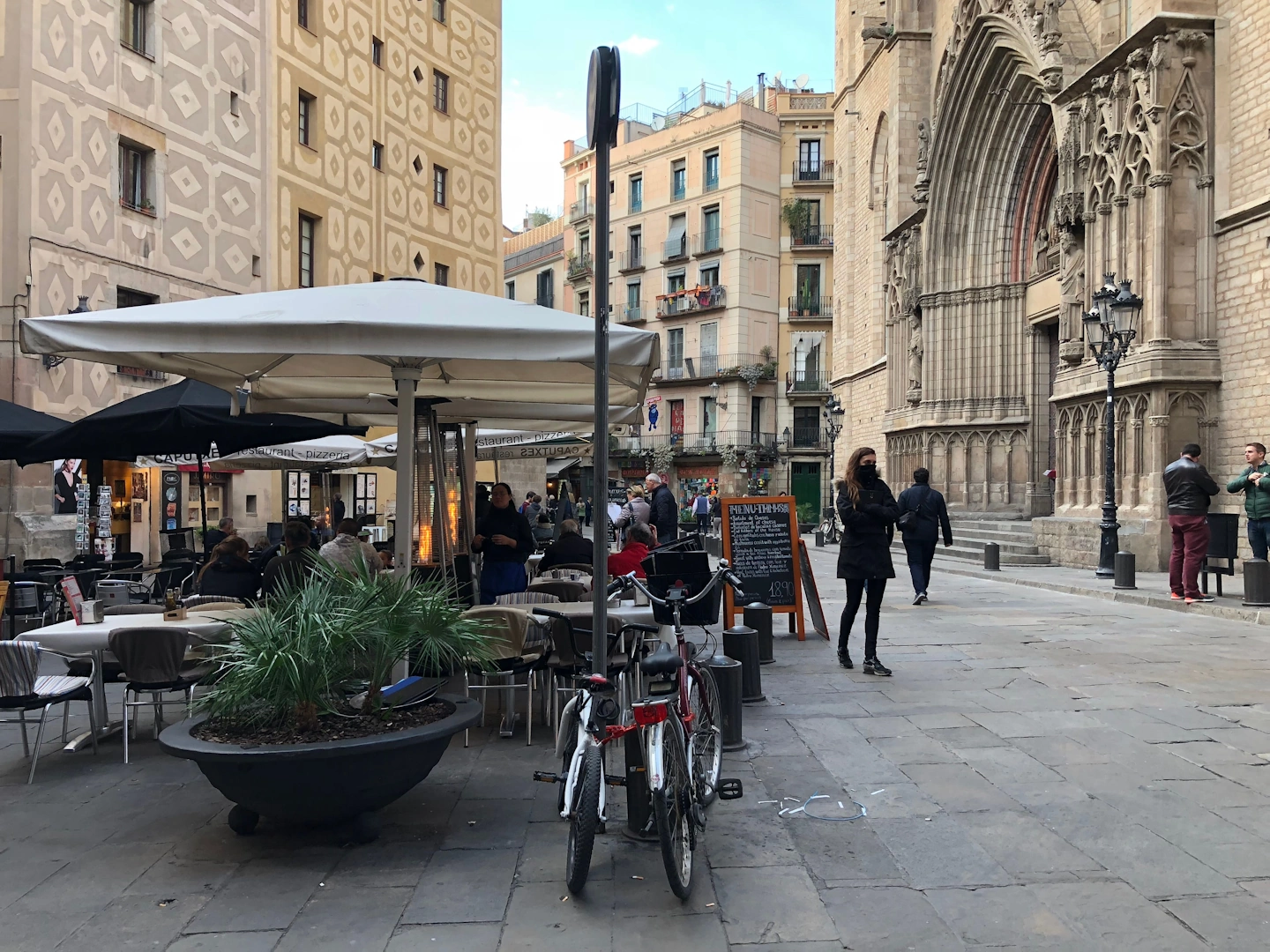
El Born Barcelona: History, Culture and the Story Behind the District
Discover El Born Barcelona, a historic district of medieval streets, markets, palaces and cultural attractions shaped by centuries of Catalan history.
24 Sept 2026
Comments
Comments
Loading comments...
Sign in to leave a comment