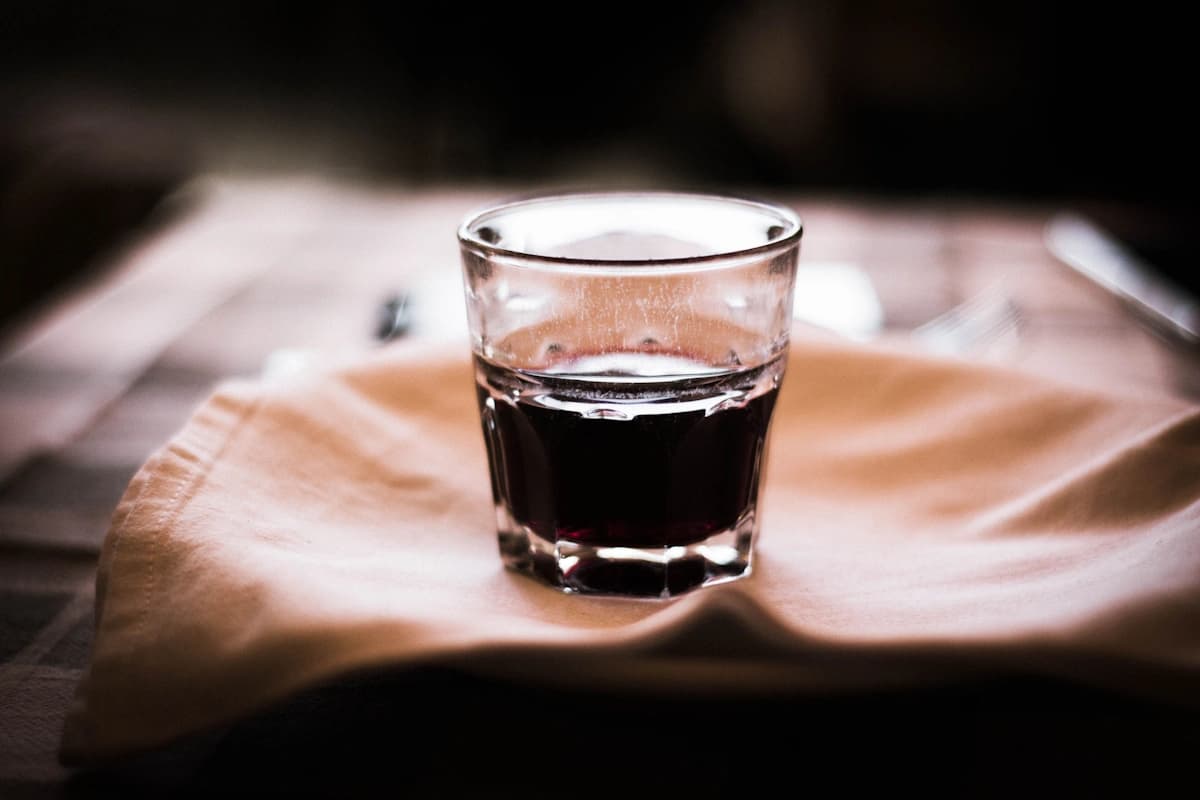
Ratafia: The Traditional Catalan Herbal Liqueur
Discover ratafia, Catalonia’s traditional herbal liqueur made with green walnuts, herbs and spices, including its history and recipe.
Ratafia is one of Catalonia’s most distinctive traditional drinks. Dark amber or caramel in colour, sweet and intensely aromatic, it is made by macerating green walnuts with herbs, spices and alcohol. Unlike internationally famous liqueurs with highly standardised recipes, ratafia has traditionally been made according to family and local recipes, meaning that two bottles can taste noticeably different.
Today, Ratafia Catalana is protected as a geographical indication, and its production covers the whole territory of Catalonia. It remains particularly associated with Girona and the central and western Pyrenean areas.
A History of Homemade Ratafia
The precise origin of ratafia is difficult to establish. Herbal alcoholic drinks have a very long history in Europe, while the Catalan tradition developed through household production in rural communities.
The oldest known Catalan recipe is from 1842, recorded by Francesc Rosquellas in the Selva area. Historically, farmers often made their own version at home, using ingredients that were available locally. Recipes were passed from one generation to another, and the particular mixture of herbs was often a family secret.
There is also a famous story explaining the name. According to a tradition associated with the Catalan writer Jacint Verdaguer, three bishops supposedly sealed an agreement while drinking the liqueur and said rata fiat, Latin for roughly "let it be ratified" or "it is agreed." This is a popular legend rather than a proven historical origin.
The tradition declined as rural populations moved to cities, but commercial distilleries helped preserve production. Several Catalan brands have continued making ratafia for generations, allowing the drink to move from farmhouse kitchens to shops, restaurants and specialist producers.
Where Is Ratafia Found?
Although Ratafia Catalana can legally be produced throughout Catalonia, the drink has particularly strong roots in the province of Girona, including areas such as La Selva, La Garrotxa, Osona and the Empordà. It is also traditionally found in mountain and inland areas extending towards the Pyrenees.
The drink is closely connected to the Catalan seasonal calendar. Traditionally, herbs and green walnuts were collected around Sant Joan, in late June, when the walnuts are still soft enough to be used for maceration. Ratafia fairs and competitions are now held in several Catalan towns, helping maintain the tradition and introduce it to younger generations.
What Is in Ratafia?
The green walnut is the key ingredient in the protected Catalan version. The regulations require green walnuts together with a mixture of aromatic plants and spices. The obligatory ingredients include lemon verbena, cinnamon, clove and nutmeg, while individual producers may use other botanicals according to their recipes.
Traditional homemade recipes can contain a surprisingly large number of ingredients. Mint, sage, thyme, basil, lavender and other local herbs may be included, sometimes with dozens of different plants and spices. This explains why homemade ratafias can have very different aromas and flavours.
The result is generally sweet, herbal and spicy, with the green walnut providing a distinctive bitter and earthy character.
How Is Ratafia Made?
A traditional-style homemade ratafia follows a relatively simple process, although the waiting time is considerable.
-
Collect green walnuts and herbs, traditionally around Sant Joan.
-
Wash and prepare the ingredients, cutting or crushing the green walnuts.
-
Place the walnuts, herbs and spices in alcohol in a large glass container.
-
Leave the mixture to macerate for several weeks or months. Traditional methods often involve exposure to daylight and cool night air.
-
Filter the liquid carefully to remove the plant material.
-
Add sugar and, depending on the recipe, water or additional alcohol to achieve the desired sweetness and strength.
-
Allow the ratafia to mature, traditionally in wooden containers or bottles, before drinking.
The protected Ratafia Catalana specification requires at least three months of maceration for the green walnuts and at least three months of ageing in wooden containers.
Commercial ratafia is usually enjoyed chilled, either as a small drink after a meal or alongside desserts such as ice cream. It can also be used in modern cocktails and desserts.
Ratafia Compared with Other Famous Liqueurs
Ratafia belongs to the same broad family of herbal, nut and fruit-based liqueurs as several better-known European drinks, but its combination of green walnut and many local botanicals gives it a distinctive character.
Chartreuse, from France, is another complex herbal liqueur made from a secret mixture of botanicals. However, Chartreuse is primarily defined by its herbal profile, while Catalan ratafia traditionally centres on green walnuts alongside herbs and spices.
Limoncello, from Italy, is much more focused: its defining flavour comes from lemon peel. Ratafia is darker, sweeter and considerably more complex, with walnut, spice and herbal notes rather than a dominant citrus flavour.
Amaretto, associated particularly with Italy, is sweet and nutty, but its characteristic almond-like flavour makes it quite different from the earthy bitterness and herbal complexity of ratafia.
What makes ratafia special is therefore not just its ingredients but its local and family-based tradition. There is no single flavour that represents every homemade bottle.
Why Ratafia Matters to Catalan Culture
Ratafia is more than a drink served after dinner. It represents an older relationship between Catalan households and the surrounding landscape: collecting herbs, using seasonal walnuts, preparing food and drink at home, and passing recipes between generations.
Today, commercial producers, fairs and cultural associations have helped revive interest in the tradition. The recognition of Ratafia Catalana as a protected geographical indication has also formalised its connection with Catalonia.
For visitors, trying ratafia offers a different way to discover Catalan food culture. It is a drink rooted not in grand restaurants or international brands, but in countryside traditions, family recipes and the seasonal rhythm of Catalan life.
Ready to explore Barcelona?
Build your personalised itinerary in 30 seconds — starting from your hotel.
Build my Barcelona route →Related articles
Why Do Catalans Love Poop? The Curious World of Caganers, Tió and Scatological Humour
Why do Catalans put poop in Christmas traditions? Discover the caganer, Tió de Nadal and the history of Catalan scatological humour.
7 Oct 2026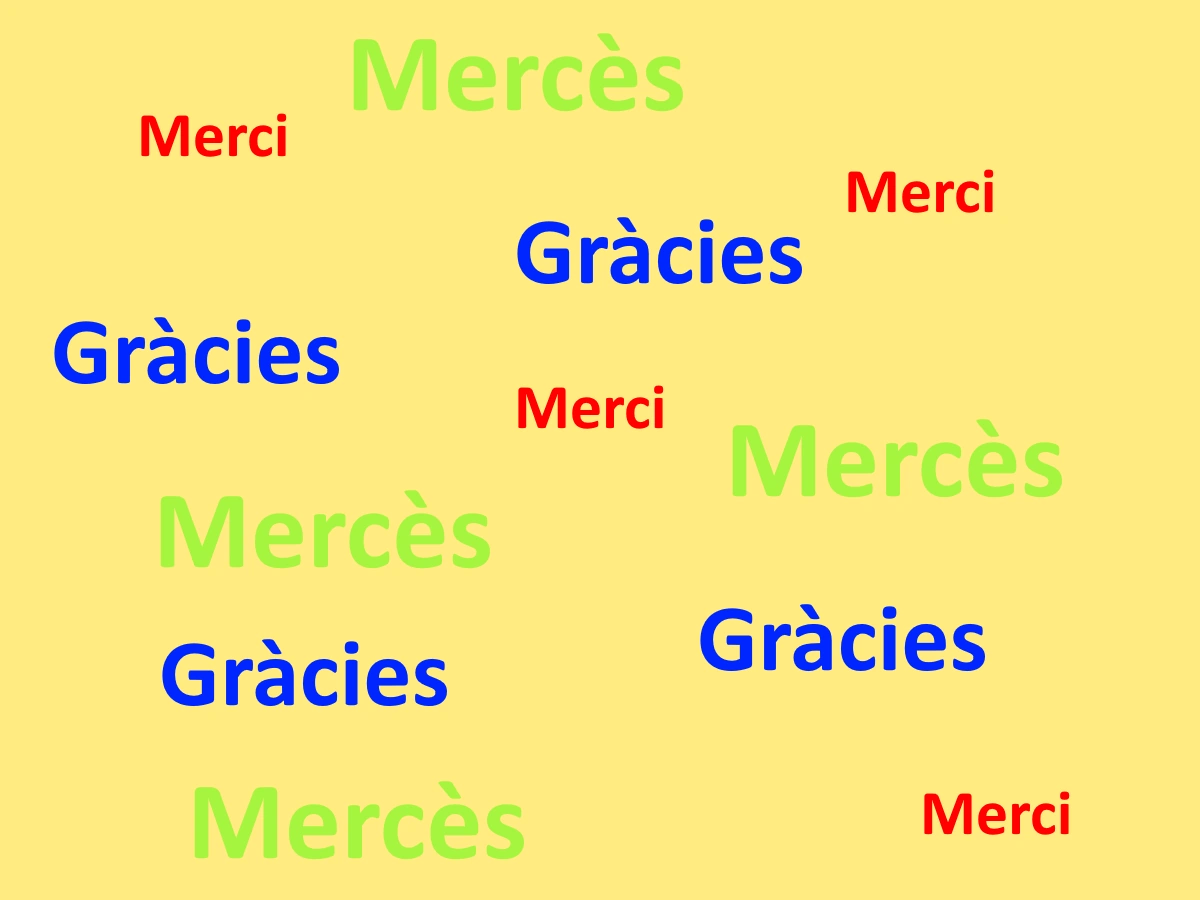
Why Do Catalans Say “Merci”? The Story Behind Gràcies, Mercès and Merci
Why do some Catalans say “merci”? Discover the history of gràcies, mercès and the French influence behind this familiar expression.
6 Oct 2026
Oktoberfest Barcelona: Bavaria Meets Barcelona at La Wiesn
Oktoberfest Barcelona brings Bavarian beer, food, music and traditions to La Wiesn, with a distinctly Mediterranean atmosphere.
4 Oct 2026
Comments
Comments
Loading comments...
Sign in to leave a comment