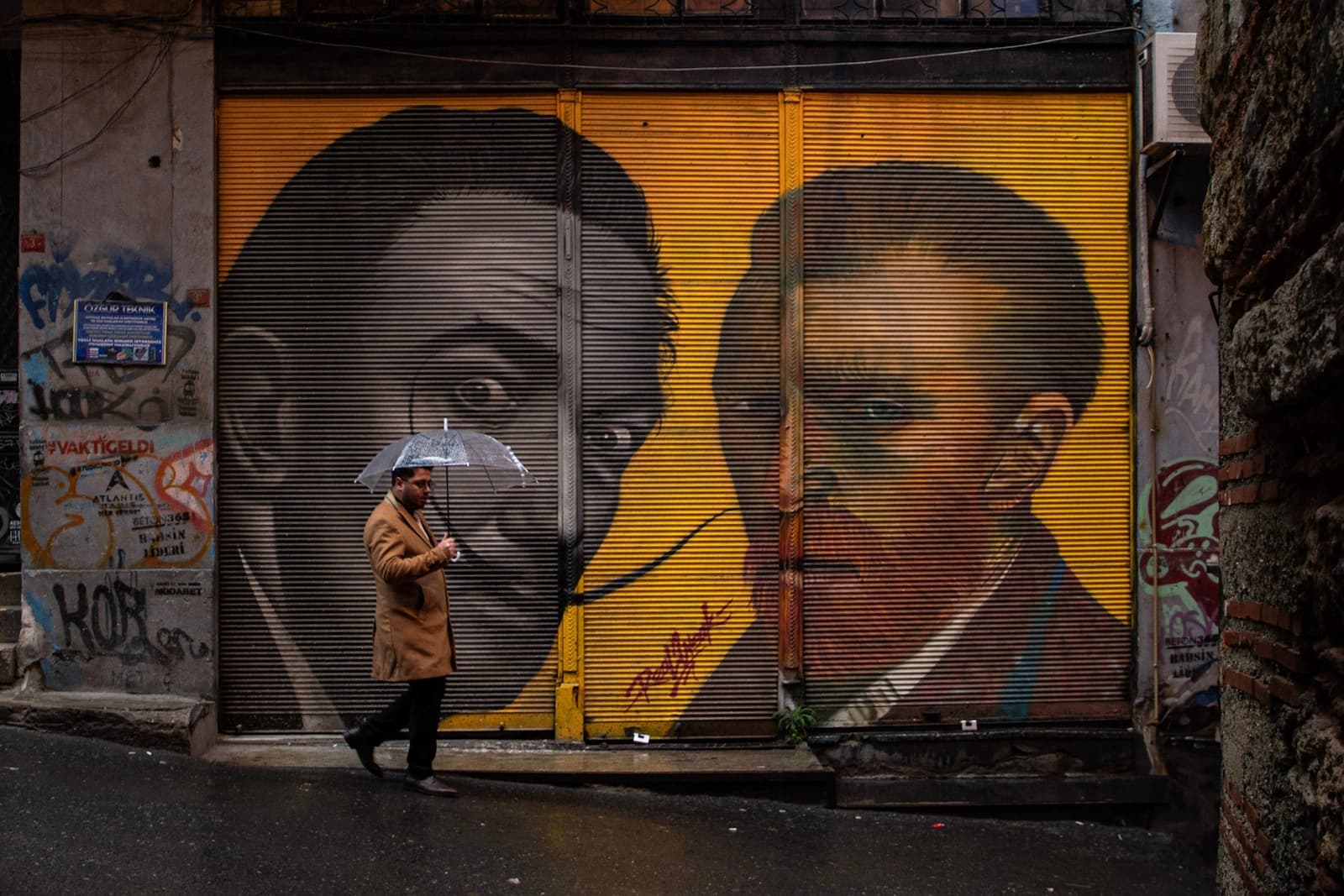
Salvador Dalí and Barcelona: The Surrealist Who Never Left Catalonia
Discover Salvador Dalí’s connection with Barcelona and Catalonia, from his early artistic career and exhibitions to his lasting influence on modern Catalan culture, art and tourism.
Salvador Dalí and Barcelona: A Catalan Connection
Salvador Dalí is one of the most famous artists ever associated with Catalonia. His melting clocks, strange landscapes and surreal characters made him an international icon, but behind the extravagant personality was an artist deeply connected to the landscapes and culture of his homeland.
Although Barcelona was not Dalí’s main home, the city played an important role in his early artistic development. Dalí was part of the generation of young Catalan artists who came into contact with the artistic and intellectual life of Barcelona during the 1920s and 1930s. The city was one of the main centres of the Catalan avant-garde, where artists were experimenting with new ideas and movements coming from across Europe. The Museu Nacional d'Art de Catalunya notes that Barcelona was one of the principal centres of avant-garde activity in Catalonia during the 1930s, with artists strongly influenced by both Dalí and Joan Miró.
Dalí and the Catalan Avant-Garde
Barcelona gave Dalí an important connection to the artistic world beyond his hometown of Figueres. He exhibited his work in the city and became part of the wider cultural environment that was questioning traditional ideas about art.
However, the landscapes that truly shaped Dalí were found further north. Figueres, Cadaqués and Portlligat became central to his imagination. The Gala-Salvador Dalí Foundation describes these places as part of the “Dalinian Triangle”, a territory connecting Figueres, Portlligat and Púbol and containing the landscapes, light, architecture and traditions that influenced his work.
Portlligat was particularly important. In 1930, Dalí settled in a small fishermen's hut there and gradually transformed it into his home and studio. He lived there for around forty years, making it his only permanent residence. The landscape and light of the Cap de Creus became a constant source of inspiration.
His Influence on Modern Catalonia
Dalí's influence on Catalonia today goes far beyond paintings hanging in museums. He helped create an international image of Catalonia as a place of artistic freedom, imagination and unconventional creativity. His distinctive visual language has become part of the region's cultural identity.
His greatest contribution to Catalan cultural tourism is perhaps the Dalí Theatre-Museum in Figueres. Rather than simply creating a museum to display his paintings, Dalí designed the building itself as an enormous surrealist artwork. He announced the project in 1961 and opened the museum with Gala in 1974. Today, it houses more than 1,500 works and remains one of the most recognisable cultural attractions in Catalonia.
For Barcelona, Dalí is part of a larger story of Catalan modern art that includes figures such as Gaudí, Picasso and Miró. His connection with the city is therefore less about a single house or studio and more about the artistic movement that made Barcelona one of Spain's great cultural centres.
For visitors, following Dalí's story from Barcelona towards Figueres, Cadaqués and Portlligat reveals something important: Dalí became a global surrealist, but his imagination remained deeply rooted in Catalonia. His legacy continues to influence the region's museums, tourism, visual culture and international identity.
Ready to explore Barcelona?
Build your personalised itinerary in 30 seconds — starting from your hotel.
Build my Barcelona route →Related articles
Okupas in Spain: The Situation in Catalonia and Barcelona
Explore the debate over okupas in Spain, with a focus on Catalonia and Barcelona, current statistics, public opinion and possible solutions.
11 Oct 2026
Why Do Catalans Love Poop? The Curious World of Caganers, Tió and Scatological Humour
Why do Catalans put poop in Christmas traditions? Discover the caganer, Tió de Nadal and the history of Catalan scatological humour.
7 Oct 2026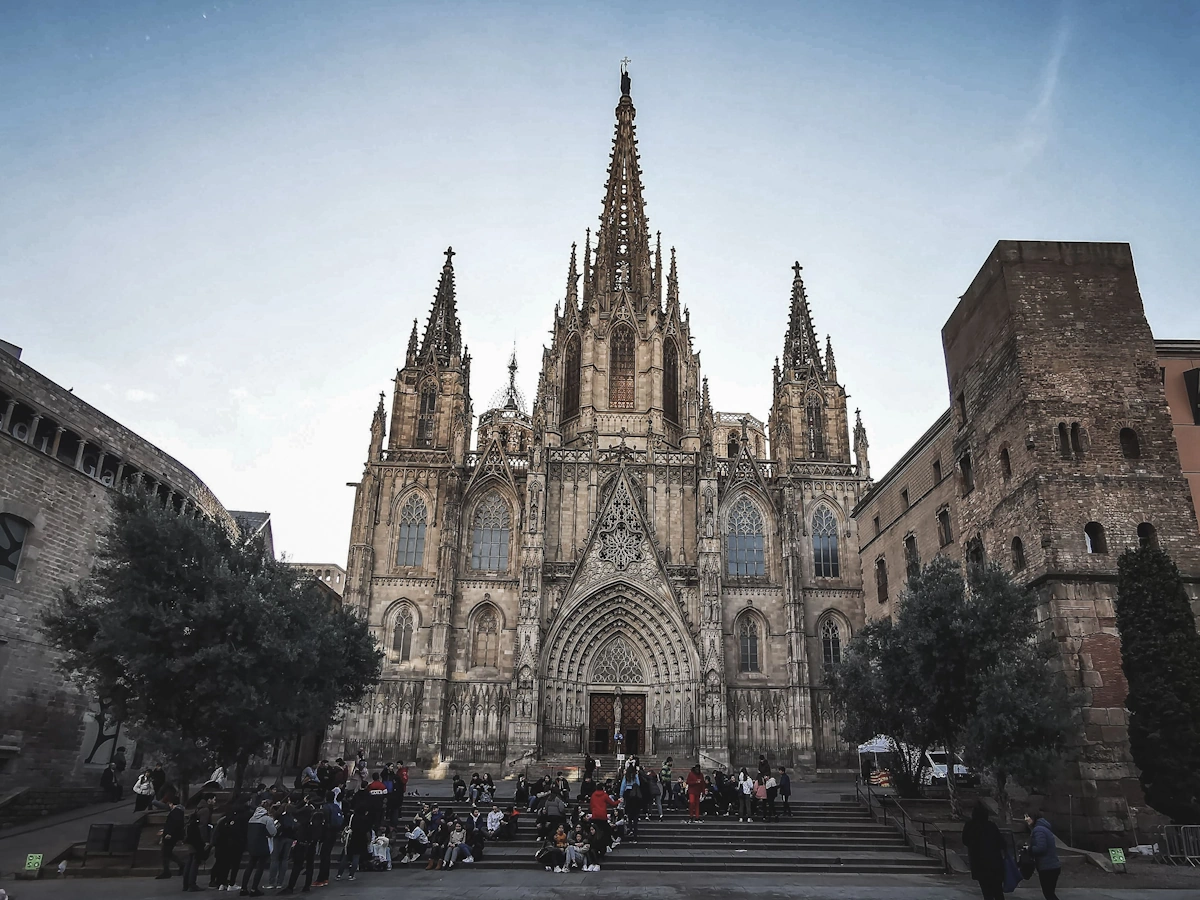
Catedral de Barcelona: History, Construction and Interesting Facts
Discover Barcelona Cathedral’s history, from its ancient foundations and Gothic construction to its Neo-Gothic façade, famous figures and fascinating facts.
2 Oct 2026
Comments
Comments
Loading comments...
Sign in to leave a comment