Sangria: History, Tradition and How to Make It
Discover the history of sangria, Spain’s famous wine-based drink. Learn how sangria became an everyday social drink, the difference between handmade and industrial versions, popular variations and an easy traditional sangria recipe.
What Is Sangria?
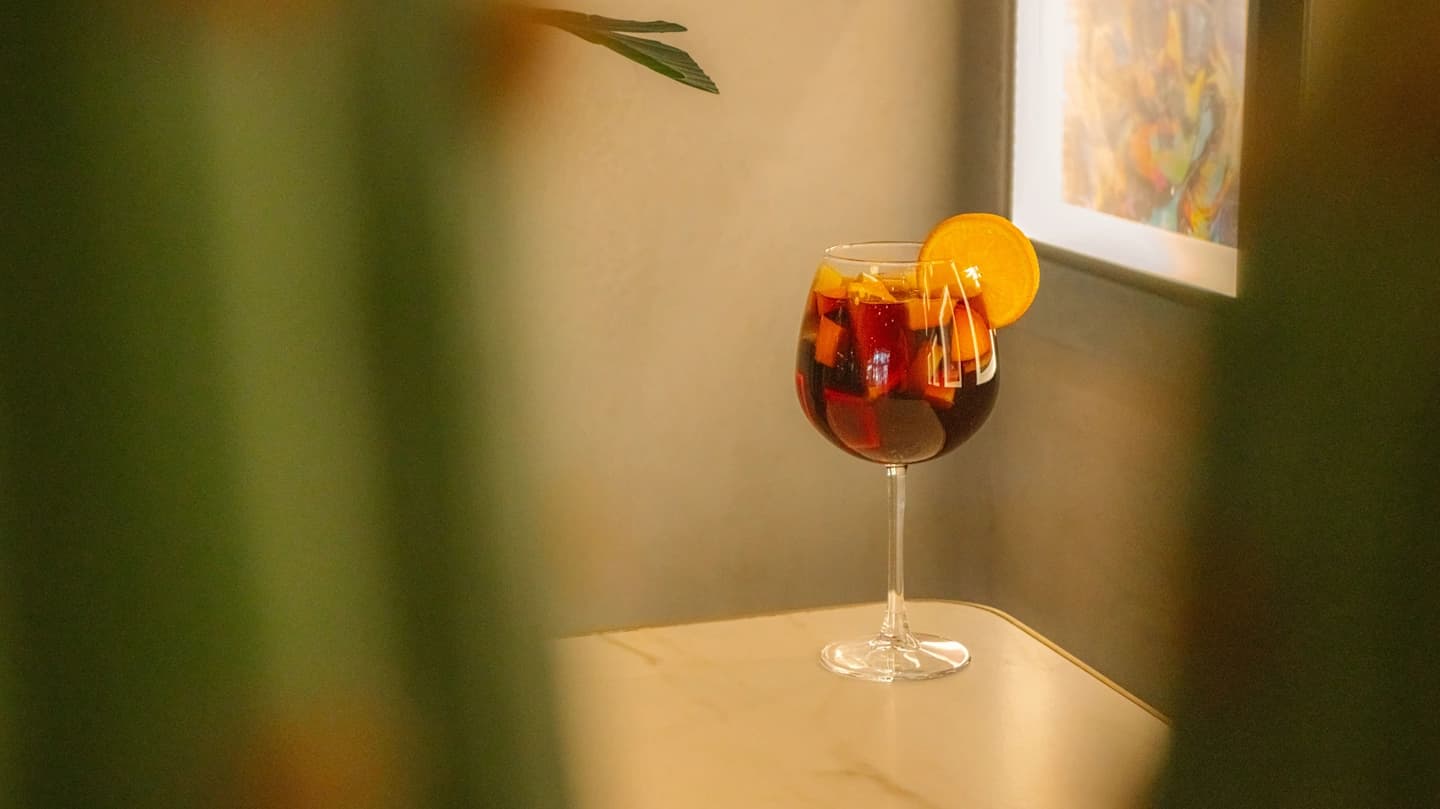
Sangria is one of the drinks most strongly associated with Spain. Traditionally made with red wine, fruit, sugar and sometimes a little spirits or soda, it is served cold and is especially popular during warm weather, meals and social gatherings.
There is no single universal recipe for homemade sangria. Families, restaurants and regions have developed their own versions, changing the fruit, sweetness, spices, wine or additional alcohol. This flexibility is an important part of its character.
Today, sangria is also produced commercially and sold in bottles, cans and other ready-to-drink formats. Spanish regulations have defined sangria as a wine-derived drink, while European rules classify it as an aromatised wine-based drink. The EU protects the name Sangría or Sangria as a sales denomination for products made in Spain or Portugal.
A Drink with a Long History
The exact origins of modern sangria are difficult to establish. Wine mixed with water, fruit, sugar and spices has been prepared in different parts of Europe for centuries, partly because these ingredients could make wine more refreshing and easier to drink.
The name sangría is connected with the Spanish and Portuguese word for “blood”, referring to the drink's deep red colour. References to the name and versions of the drink appear from the 18th century onwards, while sangria became increasingly familiar as a popular Spanish drink during the 19th and 20th centuries.
Unlike many famous cocktails, sangria was not created around one precise recipe by a named bartender. Its history is much more connected with home preparation, social drinking and local adaptation.
Sangria as an Everyday and Social Drink
Sangria is not traditionally reserved for special ceremonies. It is often associated with relaxed meals, summer afternoons, family gatherings, parties and evenings with friends.
In Spain, a jug of homemade sangria can be shared around a table rather than ordered as an individual cocktail. This makes it particularly suitable for social occasions. The fruit, ice and wine also make it a refreshing choice during hot weather.
Its international popularity has made sangria a familiar feature of Spanish restaurants and holiday destinations around the world.
Handmade Sangria and Industrial Production
Traditional handmade sangria is usually prepared shortly before serving. Wine is mixed with chopped fruit, citrus juice, sugar and sometimes brandy, another spirit or a carbonated drink. The mixture is chilled so that the flavours can combine.
Commercial sangria is made differently. Producers manufacture large quantities under controlled conditions, using wine, citrus flavours or juices, sweeteners and other permitted ingredients. The finished drink can then be filtered, stabilised and bottled or canned for longer storage.
Spanish legislation has regulated the production and commercialisation of sangria since at least 1974, including its composition and the requirements for professional producers.
Different Versions of Sangria
The classic image is red-wine sangria, but there are many variations. White-wine versions are lighter in colour, while sparkling versions add extra freshness. Some recipes use peaches, apples, oranges, lemons or berries. Others include brandy or another spirit.
Spain also has related drinks such as clarea, traditionally based on white wine. European legislation specifically recognises clarea as a wine-based drink made under conditions similar to sangria but using white wine.
A Simple Homemade Sangria Recipe
For a classic homemade version, you can use:
- 1 bottle of young red wine
- 1 orange
- 1 lemon
- 1 apple
- 2 tablespoons of sugar
- 50–100 ml of brandy, optional
- A splash of orange juice
- A little soda or sparkling water Ice
Cut the fruit into small pieces and place it in a large jug. Add the sugar and orange juice and stir. Pour in the red wine and, if desired, the brandy. Leave the mixture in the refrigerator for a few hours so the fruit can flavour the wine.
Just before serving, add ice and a splash of soda or sparkling water. Stir gently and serve very cold.
Why Is Sangria Important?
Sangria is important because it represents a relaxed side of Spanish food and drink culture. It connects wine, fresh fruit, sharing and outdoor social life in one simple preparation.
It is also a good example of how a homemade drink can become an internationally recognised product. From a jug prepared for friends at a summer meal to an industrially bottled drink sold around the world, sangria has retained its association with Spain while developing countless local and commercial variations.
Ready to explore Barcelona?
Build your personalised itinerary in 30 seconds — starting from your hotel.
Build my Barcelona route →Related articles
12 October: Spain’s National Day and Día de la Hispanidad
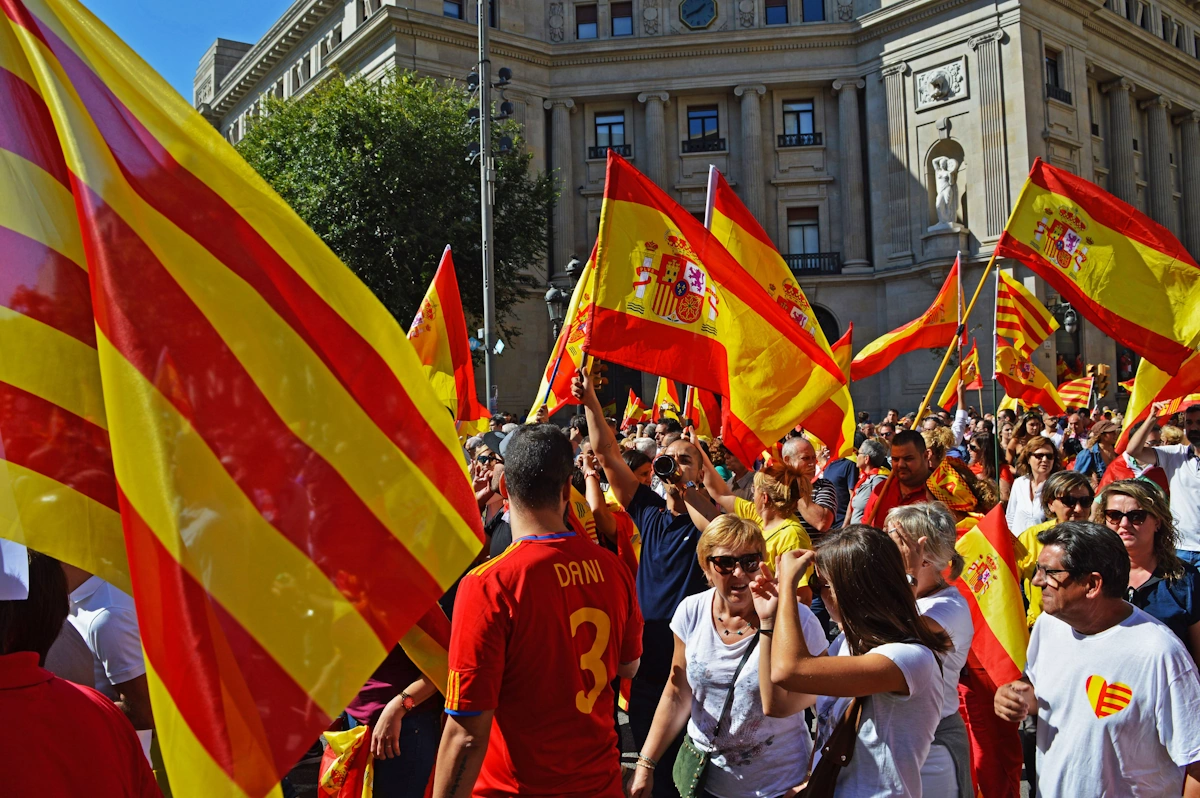
Discover why Spain celebrates 12 October as its National Day, its history, the Día de la Hispanidad and what the holiday means in Catalonia.
8 Oct 2026
Why Do Catalans Say “Merci”? The Story Behind Gràcies, Mercès and Merci
Why do some Catalans say “merci”? Discover the history of gràcies, mercès and the French influence behind this familiar expression.
6 Oct 2026
Oktoberfest Barcelona: Bavaria Meets Barcelona at La Wiesn
Oktoberfest Barcelona brings Bavarian beer, food, music and traditions to La Wiesn, with a distinctly Mediterranean atmosphere.
4 Oct 2026
Comments
Comments
Loading comments...
Sign in to leave a comment