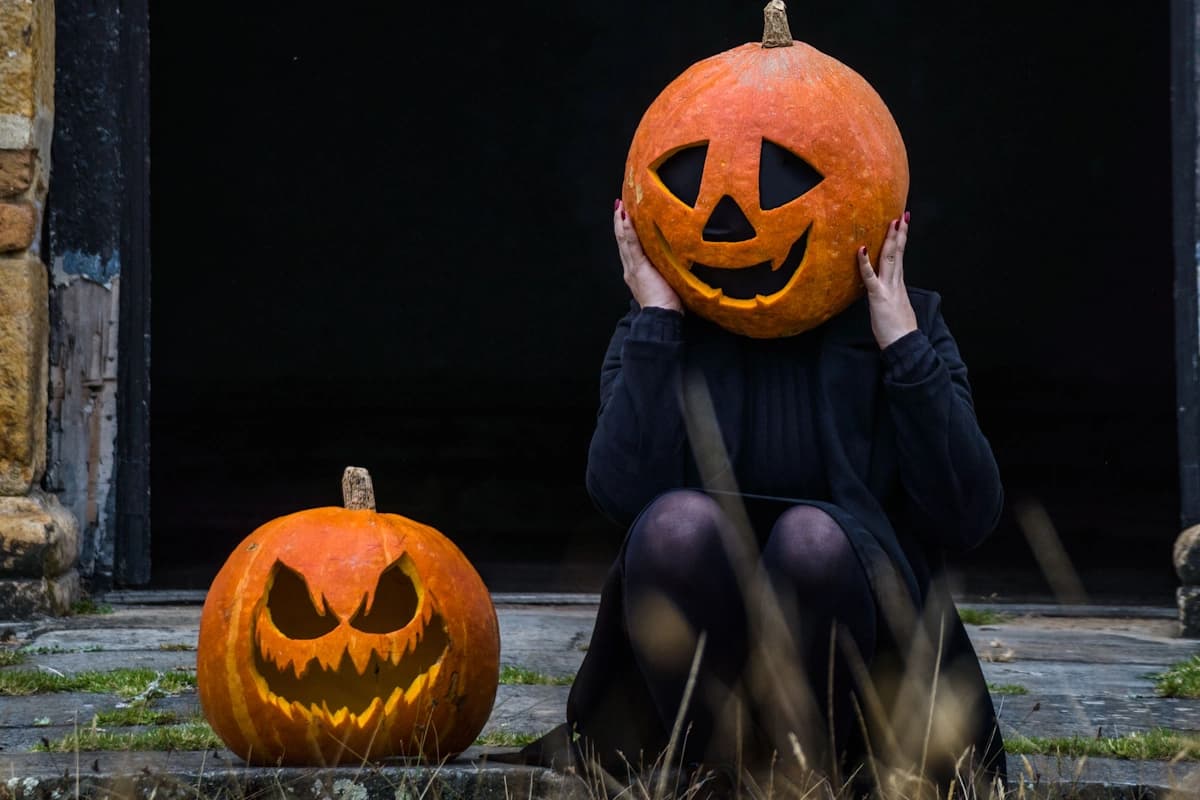
Día de Todos los Santos in Spain: Traditions, Food and the Catalan Castanyada
Discover Día de Todos los Santos in Spain and Catalonia’s Castanyada, with roasted chestnuts, sweet potatoes, panellets and cherished autumn traditions.
Día de Todos los Santos: A Day to Remember
Every year on 1 November, Spain observes Día de Todos los Santos (All Saints’ Day), a traditional holiday dedicated to remembering saints and honouring deceased loved ones. It is a significant date in the Spanish calendar, combining religious observance, family traditions and seasonal food.
Although the day is celebrated throughout Spain, each region has its own customs. In Catalonia, the occasion is closely associated with La Castanyada, a much-loved autumn tradition that brings families and friends together over roasted chestnuts, sweet potatoes and traditional almond sweets known as panellets.
As autumn settles in and the days grow shorter, the holiday offers an opportunity to reflect on family, heritage and the changing seasons.
How Spain Celebrates All Saints’ Day
Across Spain, 1 November is traditionally a day for remembering those who have passed away. Many families visit cemeteries to clean and decorate graves, placing fresh flowers, particularly chrysanthemums, on the resting places of relatives.
These visits are often accompanied by moments of quiet reflection, prayer and family remembrance. For many people, it is also an opportunity to reconnect with relatives and pass family traditions on to younger generations.
As a public holiday, All Saints’ Day is generally a day off work, although opening hours for shops, restaurants and other businesses can vary. Cemeteries often become especially busy as families gather to pay their respects.
The atmosphere is usually reflective rather than celebratory, although regional food traditions add a distinctly seasonal character to the occasion.
It is also worth distinguishing All Saints’ Day from All Souls’ Day, observed on 2 November in the Catholic calendar. While the two dates are closely connected, 1 November honours the saints, whereas 2 November is traditionally dedicated more specifically to praying for the deceased.
La Castanyada: Catalonia’s Autumn Tradition
In Catalonia, All Saints’ Day is inseparable from La Castanyada, a traditional autumn celebration whose name comes from castanya, the Catalan word for chestnut.
Celebrated around 31 October and 1 November, the Castanyada has long been associated with family gatherings, seasonal produce and the remembrance of the dead. Today, it remains an important part of Catalan cultural identity, celebrated in homes, schools, neighbourhoods and local communities.
One of the most recognisable sights during this period is the castanyera, a traditional chestnut seller. Historically portrayed as an older woman dressed in simple, rustic clothing, often wearing a headscarf and apron, the castanyera represents the warmth and familiarity of the season.
In Barcelona and other Catalan towns and cities, temporary street stalls sell freshly roasted chestnuts as the weather cools. The smell of roasting chestnuts drifting through the streets is one of the unmistakable signs that autumn has arrived.
For many Catalans, the Castanyada is less about elaborate celebrations and more about enjoying familiar flavours, spending time with loved ones and keeping a cherished tradition alive.
The Traditional Foods of La Castanyada
Food is at the heart of the Catalan celebration. Three seasonal favourites take centre stage: roasted chestnuts, roasted sweet potatoes and panellets.
Roasted Chestnuts (Castanyes)
Warm, freshly roasted chestnuts are the quintessential food of the Castanyada. Sold in paper cones at street stalls, they are enjoyed as a simple snack while walking through the city or gathered around the table at home.
Their smoky aroma and comforting warmth make them particularly appealing on cool autumn evenings.
Roasted Sweet Potatoes (Moniatos)
Sweet potatoes, known in Catalan as moniatos, are another seasonal favourite. Usually roasted until soft and sweet, they complement the chestnuts and provide a hearty, comforting addition to the traditional autumn spread.
Together, chestnuts and sweet potatoes reflect the celebration’s connection to seasonal harvests and traditional home cooking.
Panellets: Catalonia’s Traditional Almond Sweets
No Castanyada celebration would be complete without panellets. These small, sweet pastries are traditionally made from ground almonds, sugar and egg, with potato or sweet potato sometimes incorporated into the mixture.
One of the most popular varieties is covered in pine nuts, although panellets also come in flavours such as coconut, chocolate, almond and coffee.
Their rich almond flavour and delicate texture make them a highlight of the season. Bakeries and pastry shops across Catalonia display trays of panellets in the days leading up to 1 November, and many families also enjoy making them at home.
Panellets are traditionally served alongside roasted chestnuts and sweet potatoes, often accompanied by a glass of moscatell, a sweet wine.
For visitors, sampling these seasonal treats is one of the most enjoyable ways to experience Catalan culture during autumn.
From Traditional Customs to Modern Celebrations
Like many European traditions, All Saints’ Day in Catalonia has evolved over time. Halloween has become increasingly popular, particularly among children and younger generations, bringing costumes, themed parties and trick-or-treating into the autumn calendar.
However, Halloween has not replaced the Castanyada. In many places, the two coexist, offering different ways to mark the end of October and the beginning of November.
Schools often organise Castanyada activities, with children learning traditional songs, tasting seasonal foods and participating in celebrations connected to Catalan heritage. Some schools also feature the castanyera as a familiar character in storytelling and classroom activities.
Meanwhile, families continue to visit cemeteries, prepare traditional recipes and gather around the table.
This blend of old and new demonstrates how Catalan traditions can adapt to contemporary life while retaining their cultural significance.
Experiencing the Castanyada in Barcelona
Barcelona is an excellent place to experience the Castanyada, particularly in the final days of October and on 1 November.
Look out for chestnut stalls on busy streets and public squares, visit local bakeries to discover their seasonal panellets, or explore neighbourhood markets for autumn produce. Traditional pastry shops are especially worth visiting if you want to compare different varieties of panellets.
For a more personal experience, consider preparing a traditional autumn meal with friends or family. Buying roasted chestnuts from a street vendor and sharing panellets over a glass of moscatell offers a simple but memorable introduction to the season.
Visitors should also remember that 1 November is a public holiday in Spain. Some businesses may close or operate reduced hours, so it is worth checking opening times in advance. Those interested in the commemorative side of the occasion can visit a cemetery respectfully, keeping in mind that it is an important day for local families.
A Celebration of Memory, Family and Catalan Culture
Día de Todos los Santos is much more than a date on the Spanish calendar. It is a time to remember loved ones, honour family traditions and recognise the cultural customs that connect generations.
In Catalonia, La Castanyada gives the occasion its own distinctive character. The scent of roasted chestnuts, the sweetness of panellets and the warmth of family gatherings create a celebration that is both deeply rooted in history and very much alive today.
Whether you are living in Catalonia or visiting Barcelona in autumn, experiencing the Castanyada is a wonderful way to discover a more traditional side of local life.
As the leaves turn and the temperatures drop, this annual celebration offers a reminder that some of the most meaningful cultural experiences are found in simple pleasures: sharing seasonal food, spending time together and remembering those who came before us.
Ready to explore Barcelona?
Build your personalised itinerary in 30 seconds — starting from your hotel.
Build my Barcelona route →Related articles
Spanish Coffee: Café Solo, Cortado, Carajillo and the Modern Specialty Coffee Wave
Learn how to order Spanish coffee, from café solo and cortado to carajillo and trifásico, and discover Spain’s growing specialty coffee scene.
17 Oct 2026
Països Catalans: What Does the Term Mean, and Who Uses It?
What does Països Catalans mean? Explore its history, the role of Joan Fuster, the Catalan-speaking territories and why the term remains controversial.
15 Oct 2026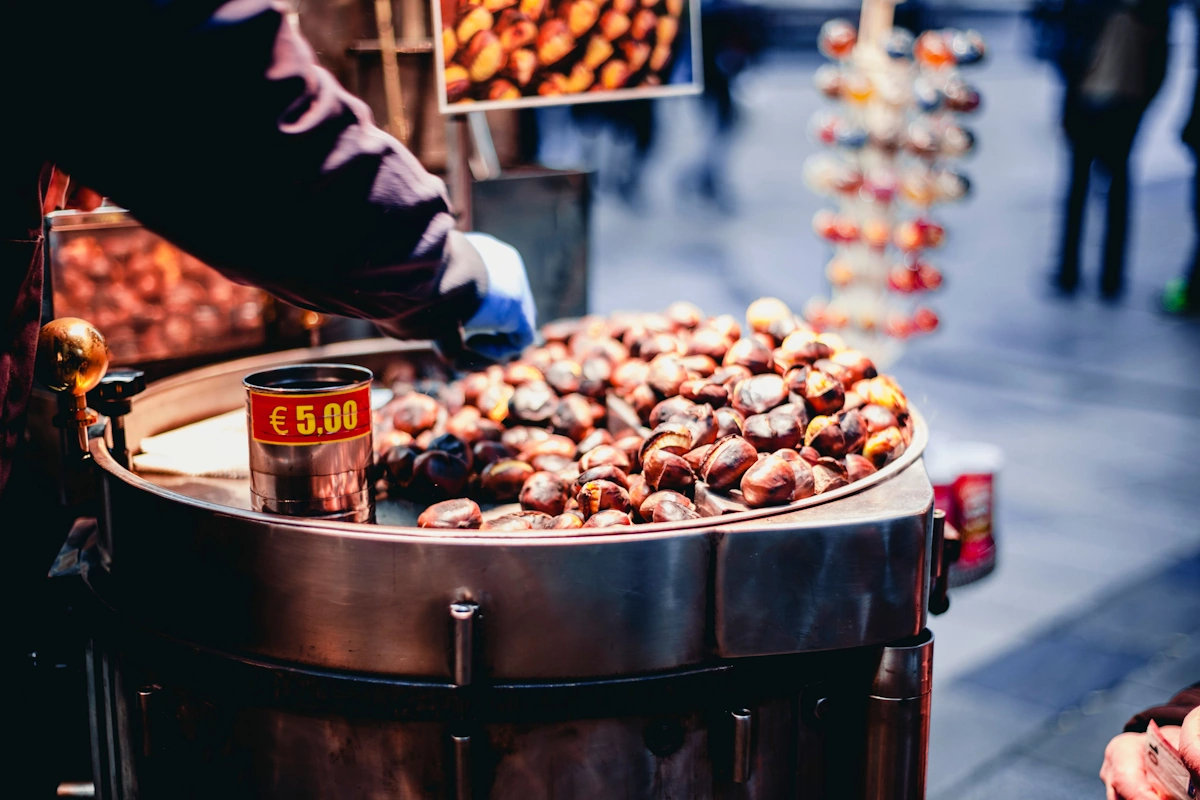
La Castanyada in Catalonia: Chestnuts, Panellets and an Autumn Tradition
Discover La Castanyada, Catalonia’s autumn tradition of roasted chestnuts, panellets and sweet potatoes, celebrated around All Saints’ Day.
14 Oct 2026
Comments
Comments
Loading comments...
Sign in to leave a comment