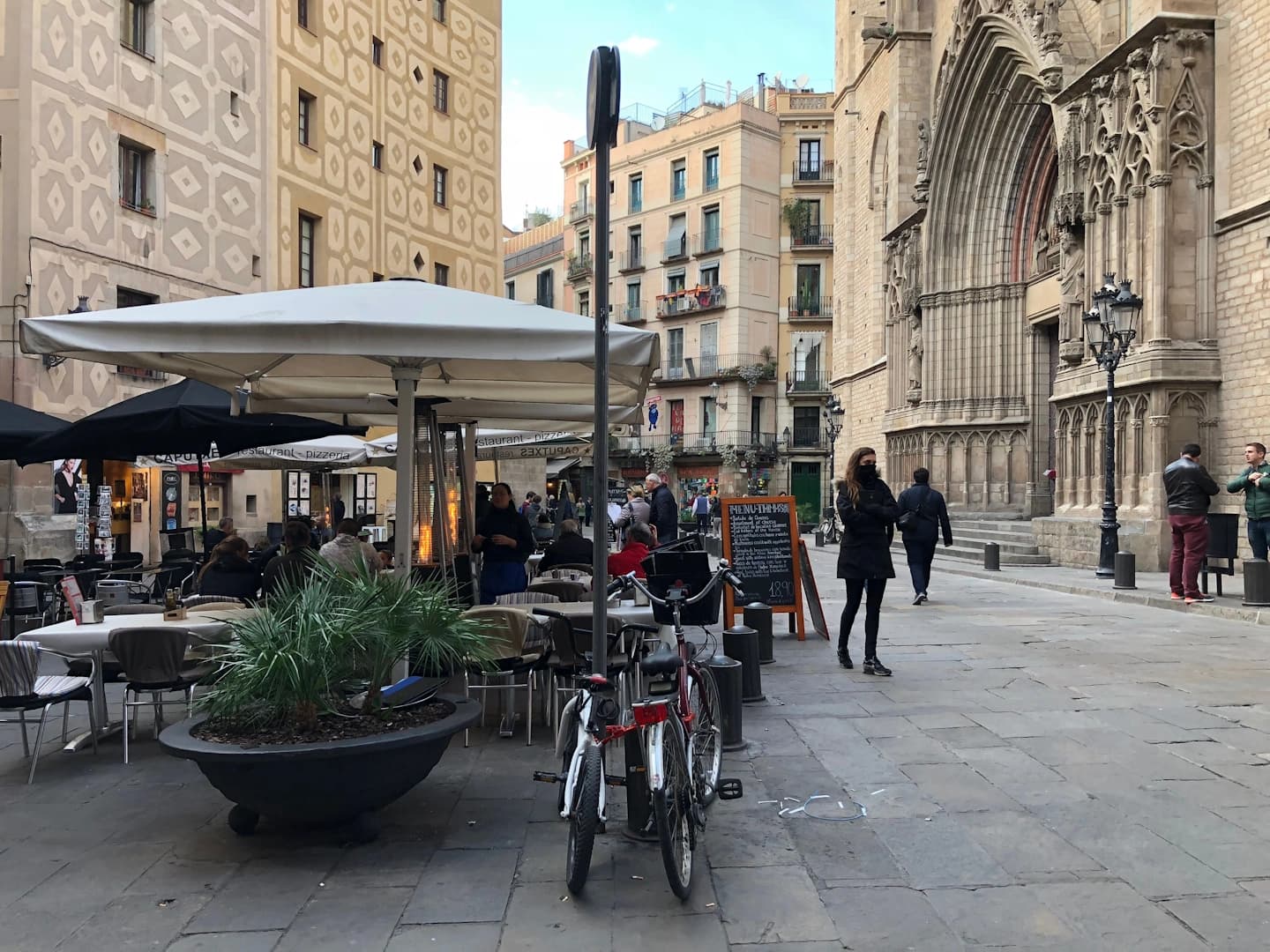
El Born Barcelona: History, Culture and the Story Behind the District
Discover El Born Barcelona, a historic district of medieval streets, markets, palaces and cultural attractions shaped by centuries of Catalan history.
El Born is one of Barcelona's most atmospheric areas, known for its narrow medieval streets, historic buildings, independent shops, restaurants, bars and cultural attractions. Located in the Ciutat Vella, El Born forms part of the wider La Ribera neighbourhood and stretches around the famous Passeig del Born, between Santa Maria del Mar and the old Born Market. Today it is one of the city's most popular areas, but its history goes back many centuries.
Where is El Born?
El Born is in the eastern part of Barcelona's historic centre. The area lies roughly between Via Laietana, the Parc de la Ciutadella, Barceloneta and the Gothic Quarter, with the Passeig del Born forming its best-known central axis.
The neighbourhood is particularly associated with Santa Maria del Mar, Carrer de Montcada, Passeig del Born, the former Mercat del Born and the Fossar de les Moreres.
Historically, however, El Born was part of La Ribera, an important medieval and early-modern area outside the oldest Roman centre of Barcelona. La Ribera developed into a busy district of merchants, craftsmen, sailors and other workers connected to the city's expanding Mediterranean trade. (Barcelona Turisme)
Why is it called El Born?
The name Born comes from the medieval use of the area for public spectacles, particularly jousting tournaments and games of arms. The Catalan word born referred to a place where such contests took place.
The Passeig del Born was therefore not originally simply a pleasant boulevard. From the Middle Ages onwards, it was one of Barcelona's main spaces for public celebrations, tournaments, processions and other events. Historical records mention jousting there as early as 1372. (enciclopedia.cat)
Over time, the Born became one of the city's principal public and commercial spaces. Markets, religious celebrations and popular festivities took place there, giving the area an important role in everyday urban life.
El Born and medieval Barcelona
During the later Middle Ages, La Ribera was one of Barcelona's most active districts. Wealthy merchants built impressive houses and palaces, while craftsmen and workers lived and worked nearby.
One of the clearest reminders of this period is Santa Maria del Mar, the great Gothic basilica completed in the 14th century. The church is closely connected to the merchants and maritime community of medieval Barcelona.
Nearby Carrer de Montcada became another important address for wealthy merchant families. Its medieval and Renaissance palaces survive today, and several now house museums and cultural institutions, including the Picasso Museum.
The street layout and surviving buildings make El Born particularly interesting because the modern visitor can still walk through a neighbourhood whose origins are deeply connected to medieval Barcelona.
The destruction of 1714
One of the most important chapters in El Born's history came during the War of the Spanish Succession.
Barcelona resisted the Bourbon siege until its capitulation on 11 September 1714. After the city's defeat, much of the Ribera area was demolished to create the large military fortress and defensive zone known as the Ciutadella.
More than a thousand homes were affected by the demolitions, and entire streets disappeared. Archaeological excavations beneath the old Born Market later revealed part of this lost neighbourhood. (Ajuntament de Barcelona)
Today, the Born Centre de Cultura i Memòria preserves these remains. Visitors can see streets, houses and workshops from the late 17th and early 18th centuries, providing an unusually detailed picture of everyday life in Barcelona before 1714. (Generalitat de Catalunya)
From market to cultural landmark
Another fascinating part of El Born's history is its market.
The Mercat del Born opened in 1876 and was one of Barcelona's great examples of 19th-century iron architecture. Designed by Josep Fontserè, its metal structure reflected the industrial transformation of Barcelona. (Generalitat de Catalunya)
The market continued operating for decades, later becoming a wholesale fruit and vegetable market. It eventually closed, and during redevelopment in the early 21st century, archaeologists discovered the remarkably preserved remains of the old neighbourhood underneath.
The building was restored and reopened as a cultural centre in 2013, creating one of Barcelona's most unusual combinations of architecture, archaeology and history.
Why is El Born so popular today?
Modern El Born combines several things that make Barcelona attractive to visitors: history, architecture, food, shopping and nightlife.
During the day, visitors explore medieval streets, Gothic churches, museums, small design shops and galleries. At night, the neighbourhood becomes lively with restaurants, cocktail bars and terraces around the Passeig del Born. Barcelona Tourism describes the area as a popular destination both during the day and at night. (Barcelona Turisme)
Perhaps the most interesting feature of El Born is the way different periods of Barcelona's history exist almost on top of one another. A medieval palace, a 19th-century iron market, archaeological remains from 1714 and modern restaurants can all be found within a short walk.
That mixture explains much of El Born's appeal. It is not simply a preserved historic quarter. It is a living part of Barcelona where medieval streets, painful historical memories and modern city life continue to share the same space.
Ready to explore Barcelona?
Build your personalised itinerary in 30 seconds — starting from your hotel.
Build my Barcelona route →Related articles
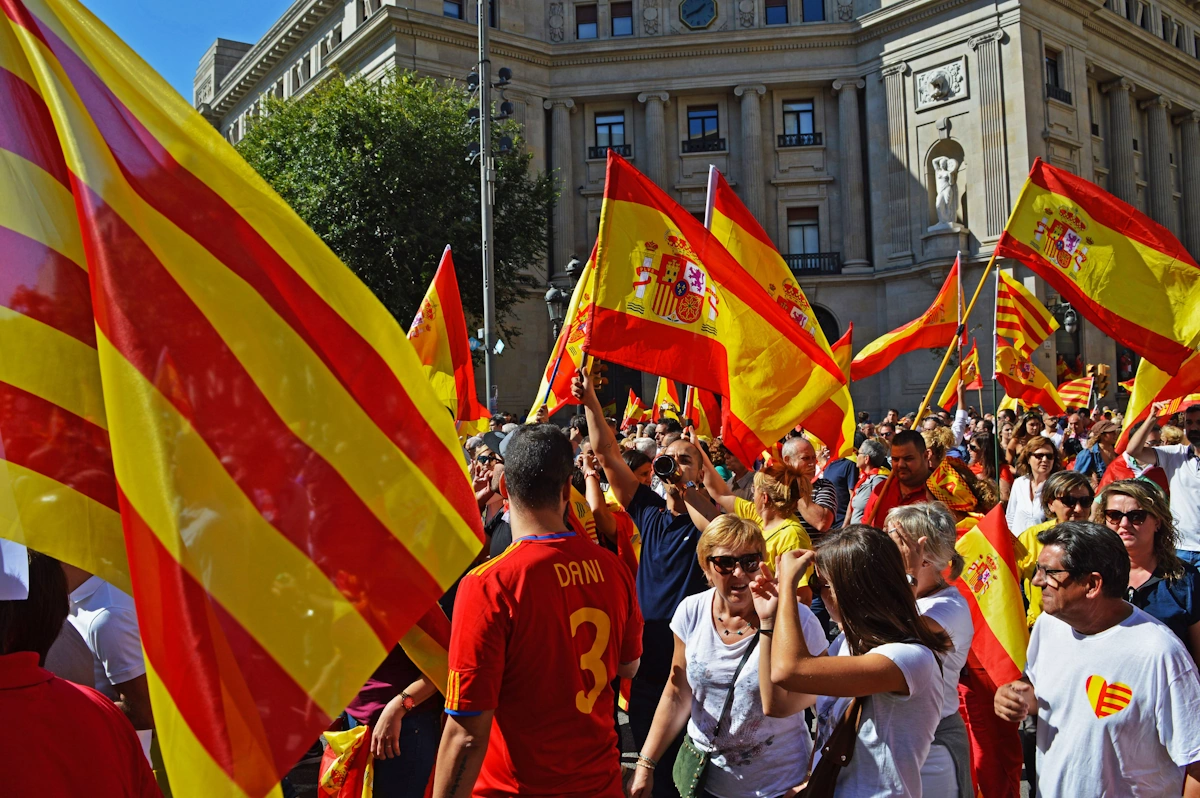
12 October: Spain’s National Day and Día de la Hispanidad
Discover why Spain celebrates 12 October as its National Day, its history, the Día de la Hispanidad and what the holiday means in Catalonia.
8 Oct 2026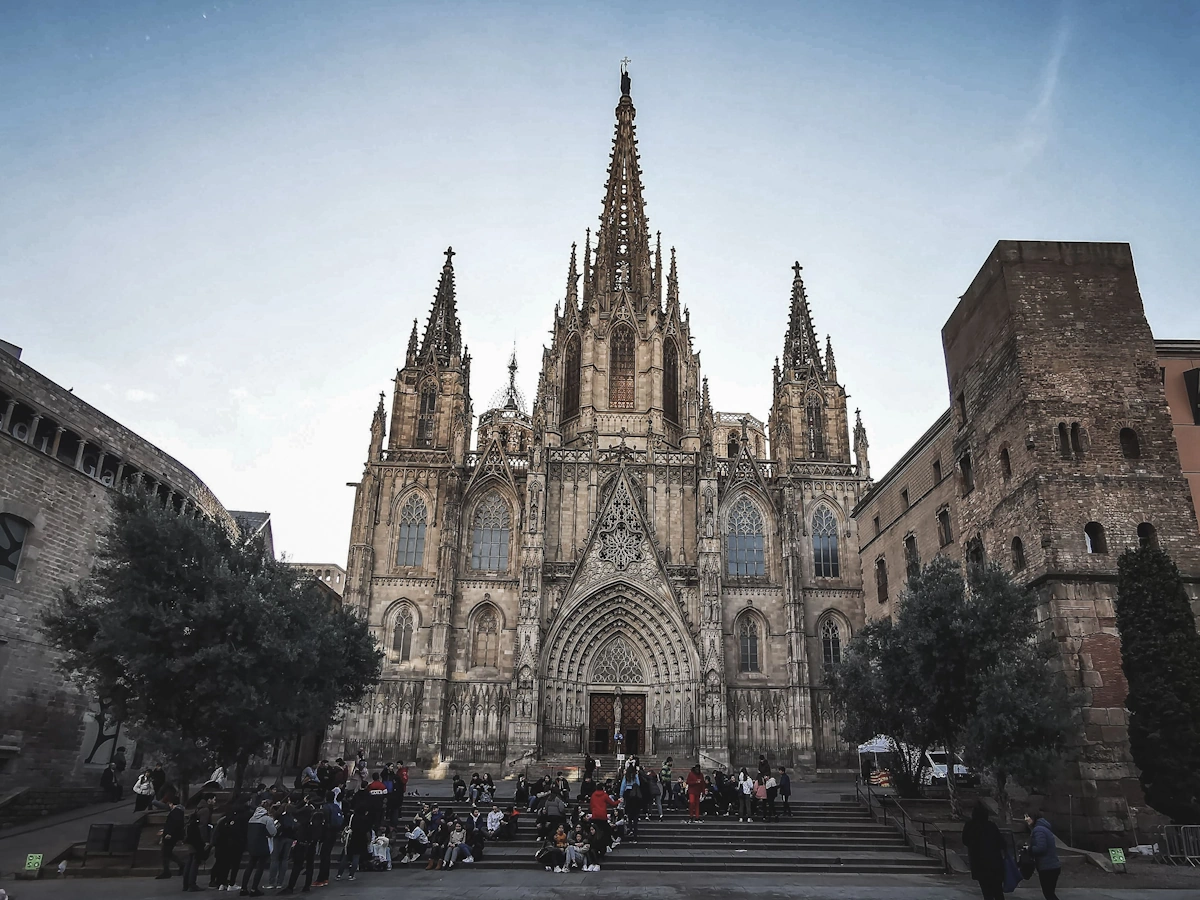
Catedral de Barcelona: History, Construction and Interesting Facts
Discover Barcelona Cathedral’s history, from its ancient foundations and Gothic construction to its Neo-Gothic façade, famous figures and fascinating facts.
2 Oct 2026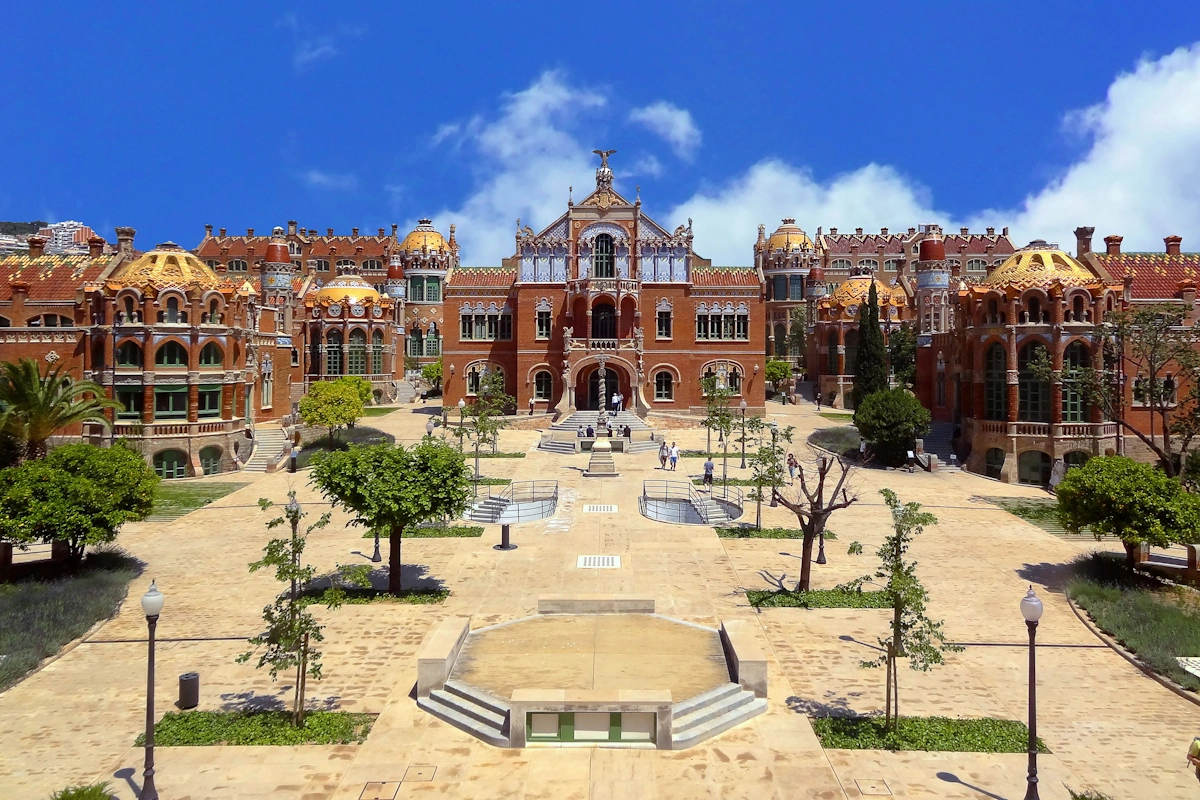
Hospital de Sant Pau Barcelona: History, Architecture and Legacy
Discover Hospital Sant Pau Barcelona, from its medieval origins and Modernista architecture to its medical history, UNESCO status and present-day role.
1 Oct 2026
Comments
Comments
Loading comments...
Sign in to leave a comment