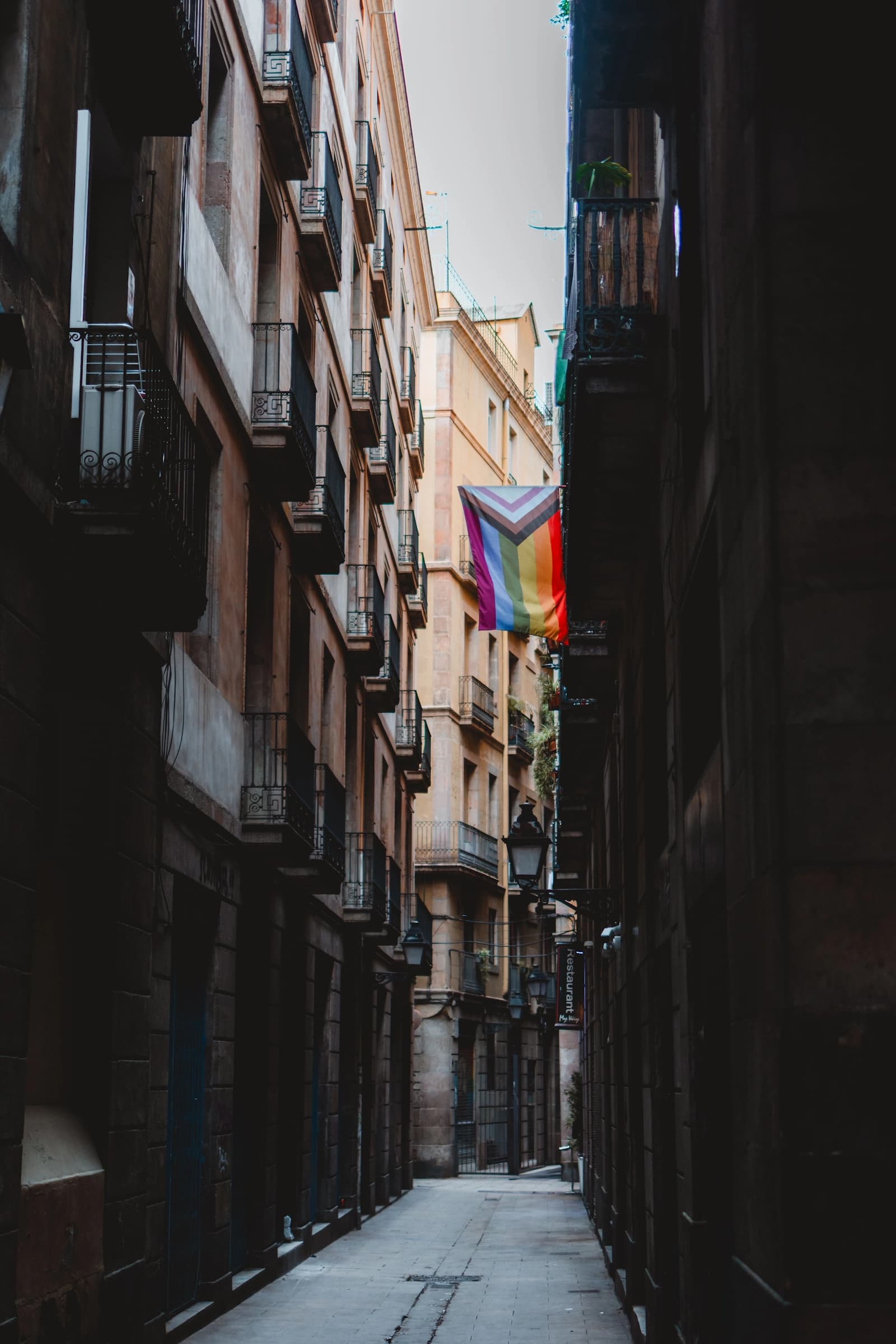
El Raval Barcelona: History, Reputation and the Neighbourhood Today
Discover the history of El Raval in Barcelona, from its medieval origins and industrial past to its reputation as the “Barrio Chino” and its modern transformation into one of the city’s most diverse and cultural neighbourhoods.
What Does “Raval” Mean?
The name Raval comes from the neighbourhood’s historical position outside Barcelona’s main medieval city walls. In Catalan, raval refers to an area or settlement outside a walled town. El Raval was therefore, quite literally, the part of Barcelona that developed beyond the old defensive centre.
Today, El Raval forms part of the Ciutat Vella district. It stretches between La Rambla, Carrer de Pelai, the Rondas, Paral·lel and the waterfront area.
From Fields and Convents to an Industrial Neighbourhood
For centuries, much of the area was made up of fields, gardens and religious institutions rather than dense urban streets. Medieval hospitals and convents were established here, some of whose historic buildings still survive and now house cultural institutions.
The neighbourhood changed dramatically during the Industrial Revolution. From the 18th and especially the 19th century, textile factories and workers' housing appeared throughout the area. Barcelona's rapid industrial growth attracted thousands of workers and immigrants, while the Raval's location close to the port made it a natural arrival point for people coming to the city.
The result was a densely populated neighbourhood of narrow streets, factories and inexpensive housing. Living conditions could be extremely poor, creating many of the social problems that would later shape El Raval's reputation.
Why Did El Raval Become Known as Dangerous?
El Raval's reputation did not appear overnight. Its combination of poverty, overcrowding, prostitution, nightlife and crime made it a part of Barcelona where the city's social problems were particularly visible.
In the early 20th century, the area became famous for its nightlife and so-called underworld. Bars, cabarets, brothels and other entertainment venues attracted both local residents and visitors from wealthier parts of Barcelona. The neighbourhood became associated with a more permissive and sometimes criminal side of city life.
In 1925, journalist Àngel Marsà popularised the name “Barrio Chino” (Chinatown) for the area. The name was not a reflection of a Chinese community; it was a reference to the neighbourhood's reputation for crime, prostitution and marginal nightlife. The term remained popular for decades.
The situation became particularly difficult in the second half of the 20th century. Drug use and dealing became major problems, especially during the 1970s, 1980s and 1990s. Heroin and cocaine were widespread, adding another layer to the neighbourhood's already difficult social conditions.
The Transformation of El Raval
From the late 20th century onwards, Barcelona began a major programme of urban and social regeneration in the neighbourhood.
Old buildings were demolished or renovated, new public spaces were created and streets were opened up. One of the most visible changes was the creation of the Rambla del Raval, a broad boulevard that replaced part of the previous dense urban fabric. The project was intended to improve living conditions, create public space and connect different parts of the neighbourhood.
Culture also became an important part of El Raval's transformation. Institutions such as the MACBA – Museu d'Art Contemporani de Barcelona and the CCCB – Centre de Cultura Contemporània de Barcelona helped establish the neighbourhood as one of the city's cultural centres.
Restaurants, cafés, galleries, shops and new businesses followed, bringing new investment and visitors.
El Raval Today
Modern El Raval is difficult to describe with a single label. It remains one of Barcelona's most diverse and socially complex neighbourhoods, with residents from many different countries and backgrounds.
At the same time, some of the problems that contributed to its old reputation have not completely disappeared. Visitors should use normal big-city precautions, particularly around crowded streets and at night, and be aware of their surroundings.
But describing the entire Raval as a dangerous neighbourhood would be misleading. Large parts are busy, lively and perfectly accessible to visitors, while others have become important cultural and gastronomic destinations.
This mixture is precisely what makes El Raval different from Barcelona's more polished tourist areas. Within a relatively small space, you can find medieval buildings, immigrant communities, contemporary art, historic bars, independent shops, restaurants and some of the city's most interesting cultural institutions.
El Raval has spent centuries on the edge of Barcelona's traditional centre. Today, rather than being simply the city's “dangerous neighbourhood,” it is better understood as a neighbourhood shaped by immigration, industry, poverty, nightlife, urban regeneration and culture—a complicated history that remains visible in its streets.
Ready to explore Barcelona?
Build your personalised itinerary in 30 seconds — starting from your hotel.
Build my Barcelona route →Related articles
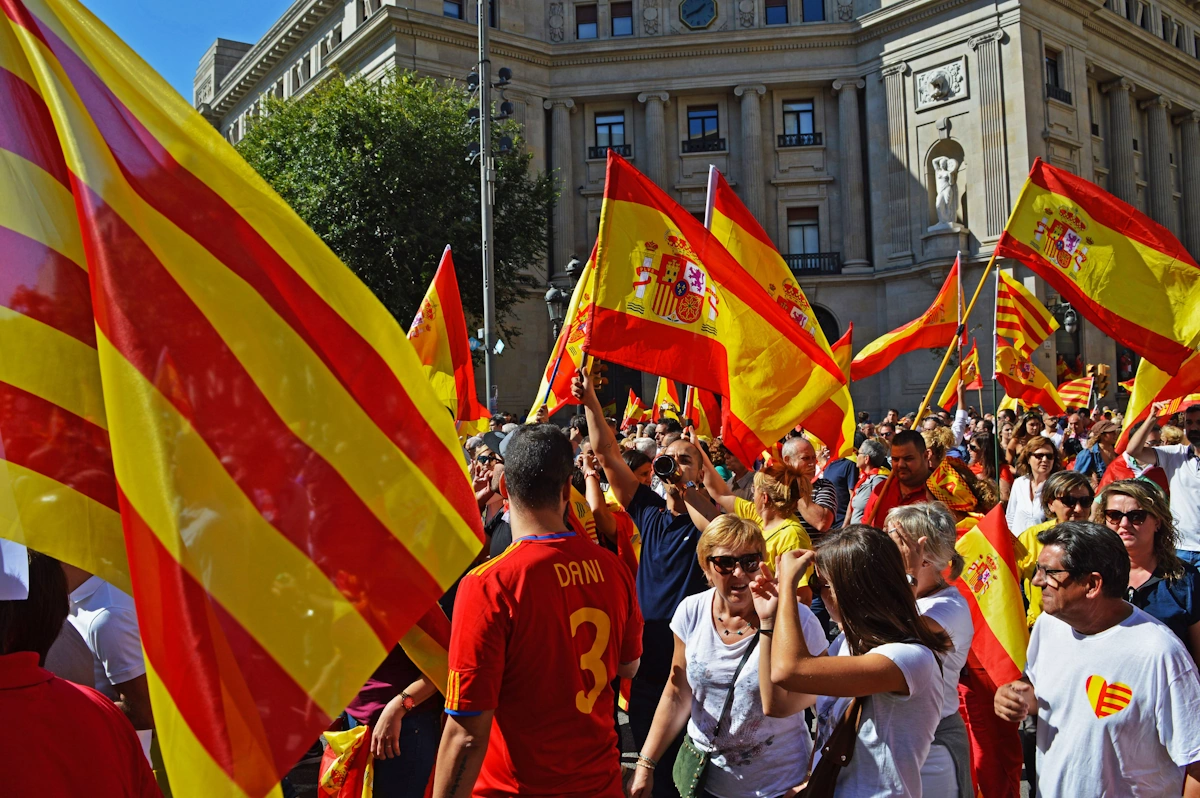
12 October: Spain’s National Day and Día de la Hispanidad
Discover why Spain celebrates 12 October as its National Day, its history, the Día de la Hispanidad and what the holiday means in Catalonia.
8 Oct 2026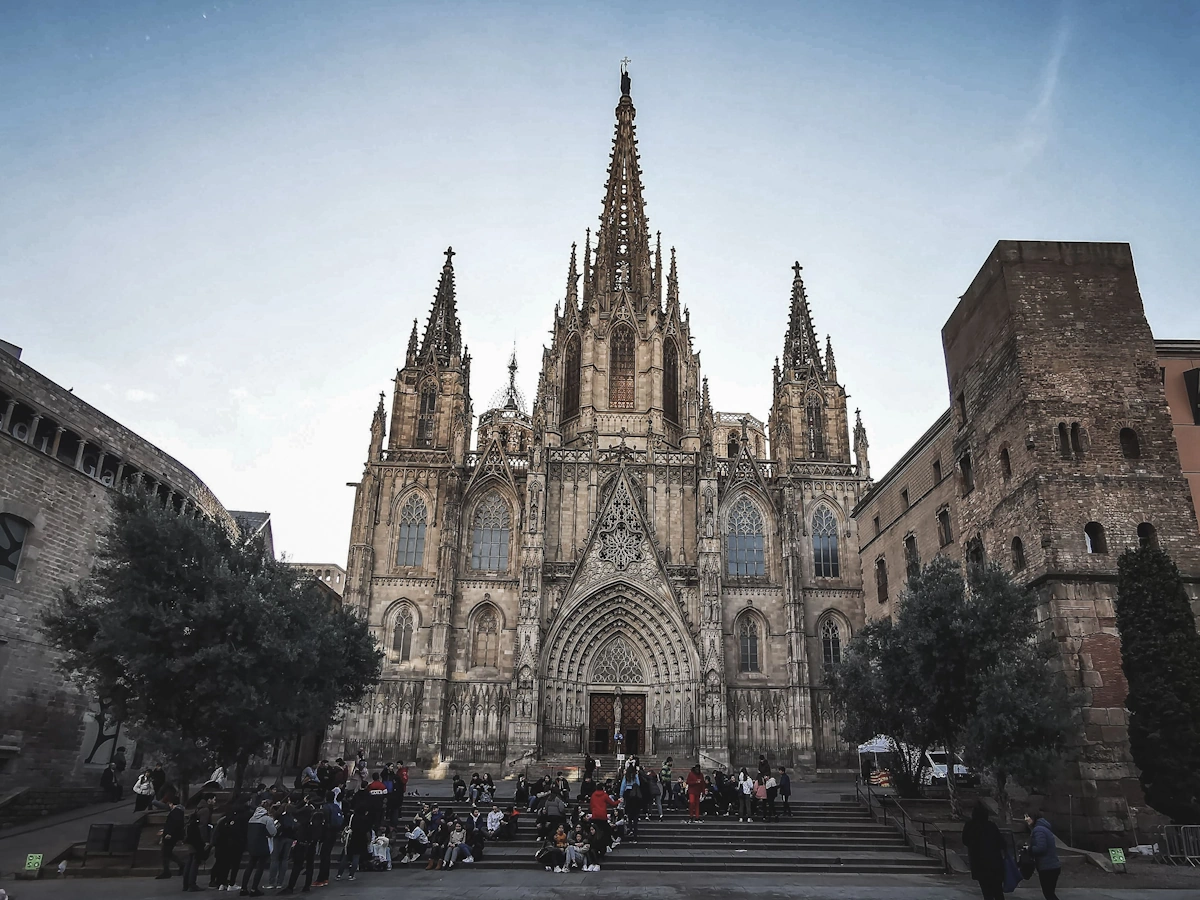
Catedral de Barcelona: History, Construction and Interesting Facts
Discover Barcelona Cathedral’s history, from its ancient foundations and Gothic construction to its Neo-Gothic façade, famous figures and fascinating facts.
2 Oct 2026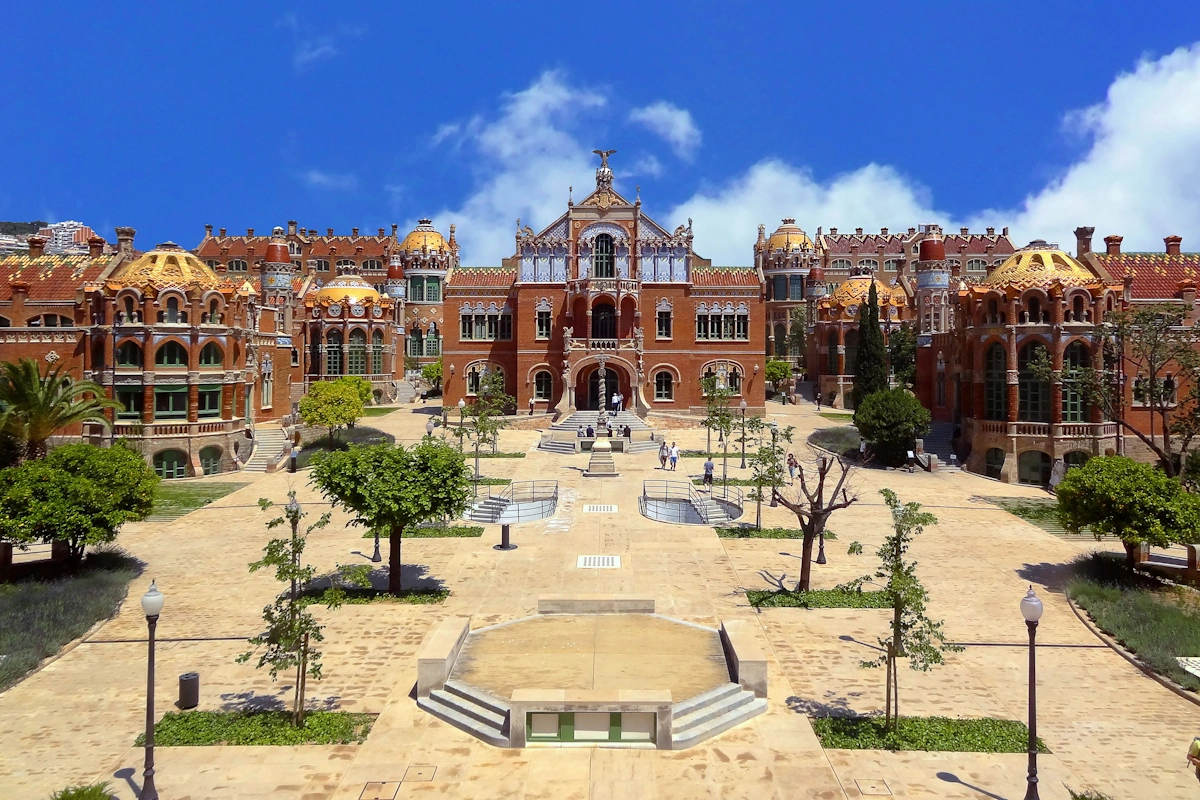
Hospital de Sant Pau Barcelona: History, Architecture and Legacy
Discover Hospital Sant Pau Barcelona, from its medieval origins and Modernista architecture to its medical history, UNESCO status and present-day role.
1 Oct 2026
Comments
Comments
Loading comments...
Sign in to leave a comment