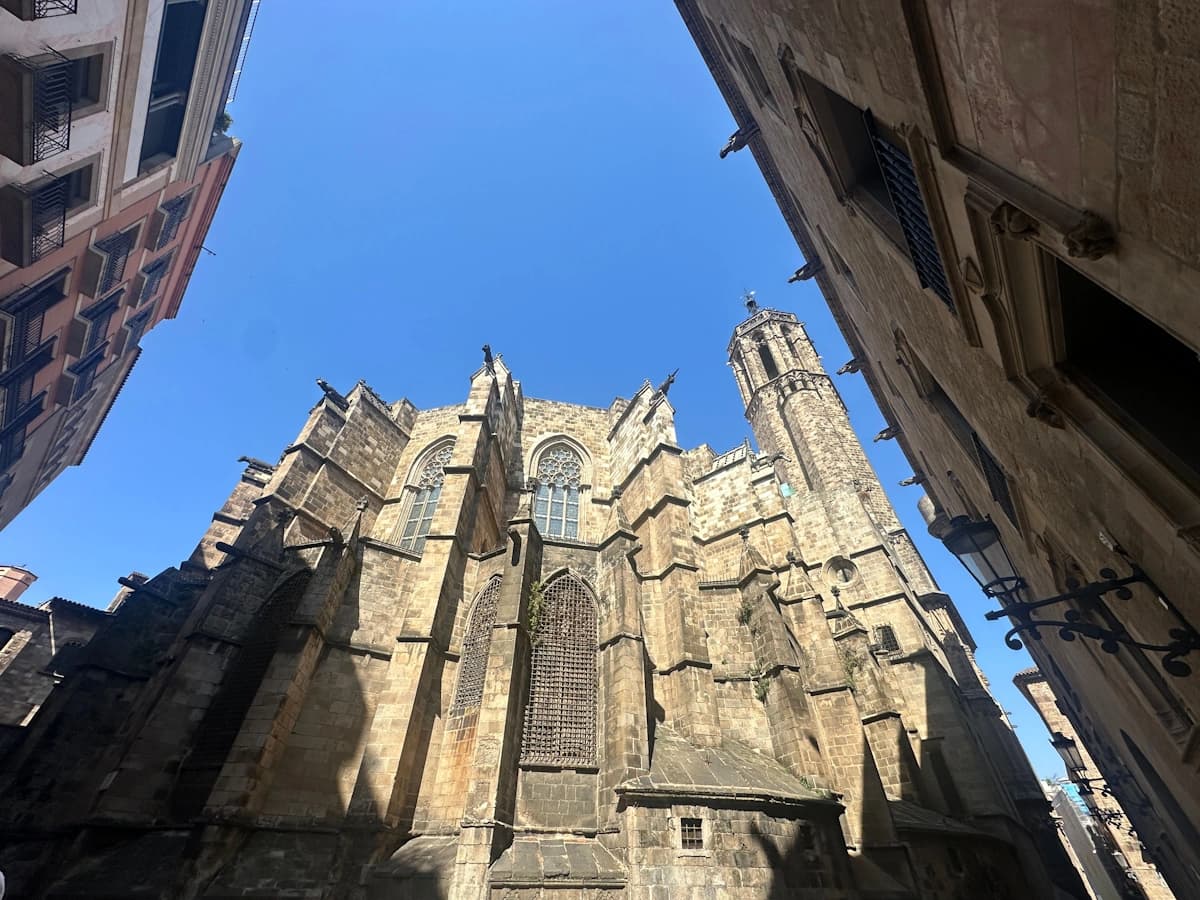
The Gothic Quarter of Barcelona: History, Legends and the Making of a Medieval Neighbourhood
Discover Barcelona’s Gothic Quarter, from Roman Barcino and medieval palaces to historic events, modern reconstruction and neighbourhood life today.
Barcelona’s Gothic Quarter, known in Catalan as the Barri Gòtic, is one of the city’s most atmospheric neighbourhoods. Its narrow streets, hidden courtyards, historic churches and quiet squares invite visitors to imagine life in medieval Barcelona. Yet the story of this area is more complex than its old stone walls suggest. Beneath the Gothic appearance lies a history that stretches back to Roman times, while some of the neighbourhood’s most famous features were restored, relocated or created in the 19th and 20th centuries.
From Roman Barcino to medieval Barcelona
The Gothic Quarter occupies the heart of ancient Barcelona. Around the end of the first century BC, the Romans established the colony of Barcino on and around the small hill now known as Mont Tàber. The settlement had defensive walls, a forum and two main streets, the cardo and decumanus, which formed the basis of its urban layout.
Traces of Roman Barcelona remain visible today. Sections of the ancient walls can be seen near Plaça Nova, while four columns from the Temple of Augustus survive in a courtyard on Carrer del Paradís. These remains reveal that the neighbourhood’s history began long before Gothic architecture appeared.
During the Middle Ages, Barcelona grew into an important political and commercial centre. The city became closely connected with the expanding maritime power of the Crown of Aragon, whose territories and trading networks extended across the Mediterranean. Wealthy merchants, religious institutions and political leaders built churches, residences and palaces that transformed the old Roman settlement.
Many of the buildings associated with the Gothic Quarter date from the 13th to the 15th centuries, although the neighbourhood also contains structures from other periods.
Why is it called the Gothic Quarter?
The name comes from Gothic architecture, the medieval style characterised by pointed arches, ribbed vaults, elaborate stonework and tall windows. In Barcelona, however, Catalan Gothic often favoured spacious interiors and balanced proportions rather than the extreme verticality associated with some northern European cathedrals.
The Cathedral of Barcelona, dedicated to the Holy Cross and Saint Eulàlia, is one of the neighbourhood’s principal landmarks. Its construction began in 1298 and continued over roughly 150 years. Yet the elaborate façade familiar to visitors today is much more recent: it was built in the late 19th century and completed in the early 20th, inspired by earlier Gothic designs.
This is an important detail. The Gothic Quarter is not a perfectly preserved medieval town. Its architectural character reflects different periods of construction, restoration and reinterpretation.
The political and religious heart of the city
For centuries, the area around Plaça de Sant Jaume has been central to Barcelona’s political life. Today, it stands between the City Hall and the Palau de la Generalitat, the seat of Catalonia’s government. The square occupies approximately the site of the Roman forum, linking modern political institutions with the city’s earliest history.
Nearby, Plaça del Rei preserves a remarkable group of historic buildings associated with royal Barcelona, including the Palau Reial Major and the Saló del Tinell. The royal palace complex recalls the period when Barcelona was an important centre of the Crown of Aragon. The Saló del Tinell is also traditionally associated with the reception of Christopher Columbus by the Catholic Monarchs after his first voyage across the Atlantic in 1493, although popular accounts of historic locations should be treated with care.
Another important part of the neighbourhood is El Call, the former Jewish Quarter. Its narrow lanes preserve traces of the Jewish community that contributed to Barcelona’s intellectual, commercial and cultural life before persecution and violence, particularly the anti-Jewish attacks of 1391, profoundly changed Jewish life in the city.
A neighbourhood reshaped by modern Barcelona
One of the most surprising facts about the Gothic Quarter is that its familiar identity took shape relatively recently. During the 19th century, Barcelona was expanding rapidly beyond its old walls. Industrial growth, urban reforms and changing ideas about heritage encouraged the restoration and monumentalisation of historic buildings.
From the late 19th century into the 20th, architects and urban planners increasingly presented the old centre as a coherent medieval landscape. Some buildings were restored in Gothic styles, while other structures were adapted or moved to create a more harmonious historic setting.
The opening of Via Laietana in the early 20th century involved extensive demolition and transformed parts of the old city. One notable example was the Casa Padellàs, a historic building dismantled during the works and reconstructed at Plaça del Rei. It now forms part of the Barcelona History Museum complex.
These interventions did not make the neighbourhood inauthentic, but they did shape how its past is presented. The Gothic Quarter is both a surviving historic district and a modern interpretation of medieval Barcelona.
Stories written into its streets
Some of the most memorable details are found away from the grand monuments. Plaça de Sant Felip Neri, a small square tucked behind the cathedral, bears the scars of a bombing during the Spanish Civil War in January 1938. The damaged stonework on the church façade remains a powerful reminder of the violence experienced by Barcelona’s residents.
Elsewhere, the old Jewish Quarter’s winding lanes, fragments of Roman walls and quiet courtyards reveal how different periods overlap. A street that appears entirely medieval may follow a route established in Roman times, while a building with Gothic features may have been substantially altered centuries later.
This mixture of fact, memory and architectural interpretation is part of what makes the neighbourhood unique.
The Gothic Quarter today
Today, the Barri Gòtic is one of Barcelona’s most visited areas. Historic monuments stand alongside cafés, independent shops, restaurants, museums and everyday residential buildings. The neighbourhood is lively throughout the day, while its smaller squares can still offer quieter moments away from the busiest streets.
Tourism brings economic activity but also creates pressure on housing, public space and local life. The challenge is to preserve historic buildings and cultural heritage while ensuring the neighbourhood remains a place where people live, work and gather—not simply a backdrop for visitors.
For travellers, the best way to explore is on foot, allowing time to look up at façades, notice architectural differences and wander beyond the busiest routes. Plaça del Rei, the Cathedral, Plaça de Sant Jaume, El Call and Plaça de Sant Felip Neri each reveal a different part of the story.
The Gothic Quarter matters because it is not just a collection of old buildings. It is a record of Barcelona’s Roman origins, medieval power, religious and cultural diversity, urban transformation and modern identity. Its history is genuine, but it is also a story of how each generation chooses to preserve, reshape and remember the past.
Ready to explore Barcelona?
Build your personalised itinerary in 30 seconds — starting from your hotel.
Build my Barcelona route →Related articles
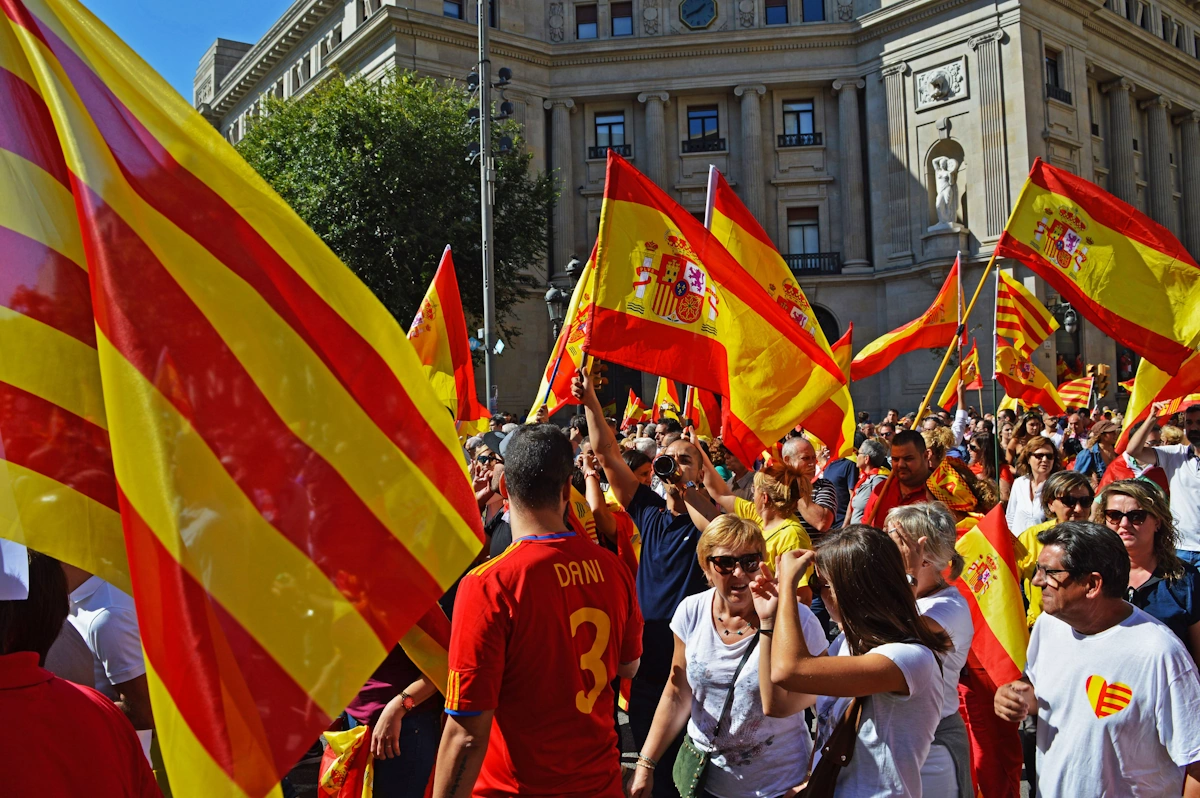
12 October: Spain’s National Day and Día de la Hispanidad
Discover why Spain celebrates 12 October as its National Day, its history, the Día de la Hispanidad and what the holiday means in Catalonia.
8 Oct 2026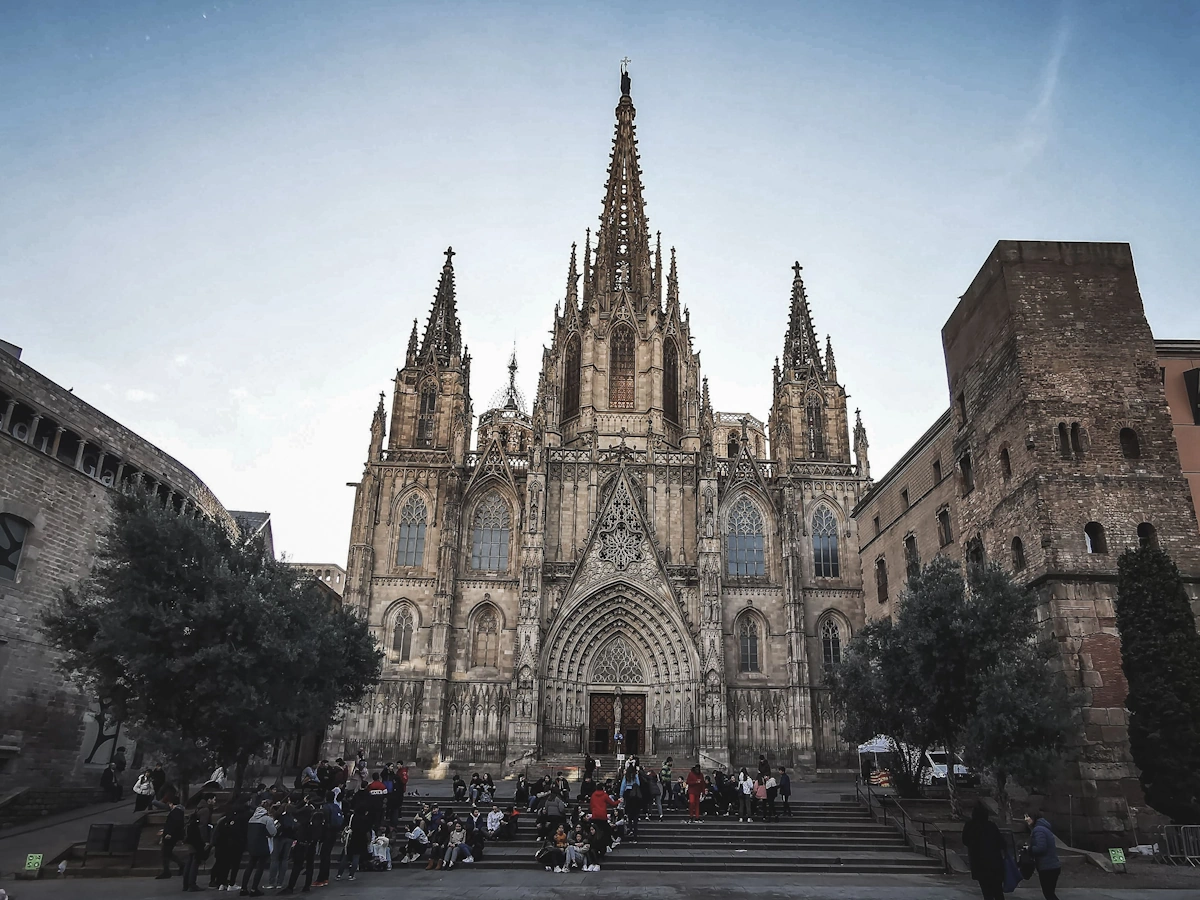
Catedral de Barcelona: History, Construction and Interesting Facts
Discover Barcelona Cathedral’s history, from its ancient foundations and Gothic construction to its Neo-Gothic façade, famous figures and fascinating facts.
2 Oct 2026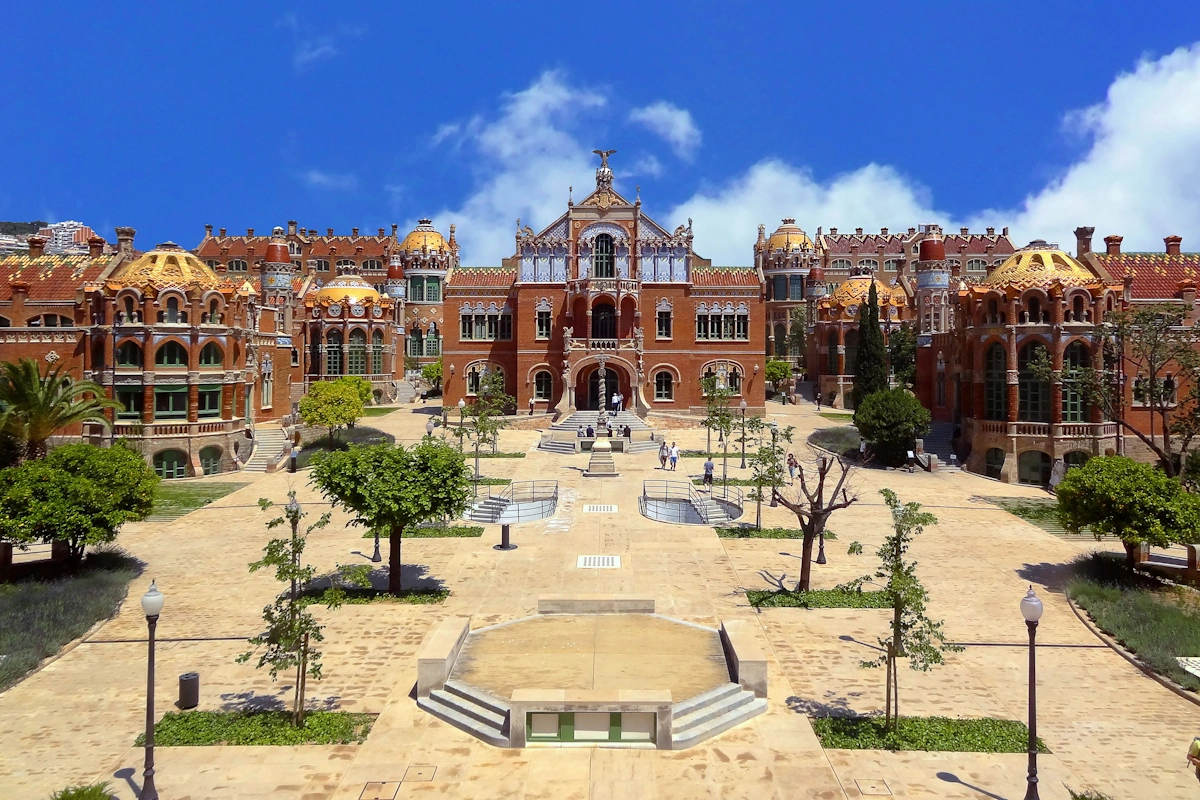
Hospital de Sant Pau Barcelona: History, Architecture and Legacy
Discover Hospital Sant Pau Barcelona, from its medieval origins and Modernista architecture to its medical history, UNESCO status and present-day role.
1 Oct 2026
Comments
Comments
Loading comments...
Sign in to leave a comment