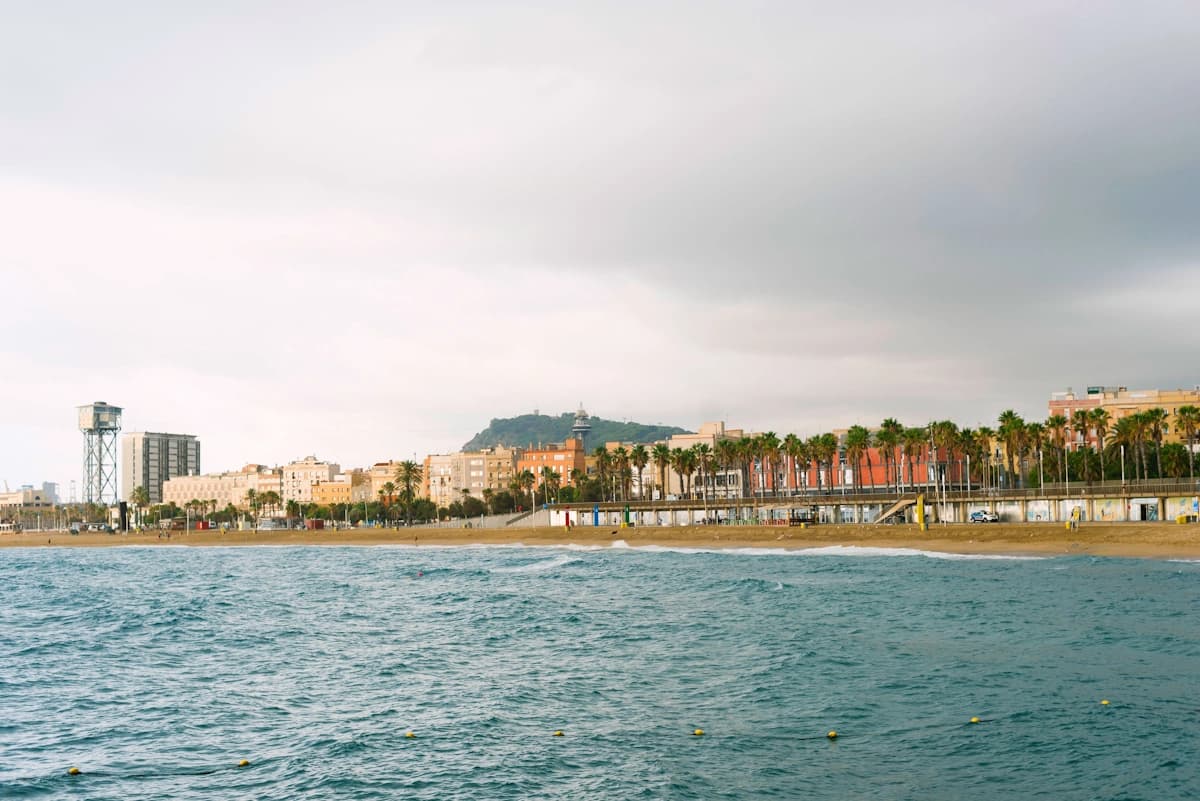
La Barceloneta: History of Barcelona’s Seaside Neighbourhood
Discover La Barceloneta’s history, from its 18th-century origins and fishing community to industry, the Franco period and modern Barcelona.
La Barceloneta is one of Barcelona’s most distinctive neighbourhoods. Located between the old port and the Mediterranean Sea, it has a character very different from much of the city. Narrow streets, small apartments, seafood restaurants, the beach and a strong connection with the sea are all part of its identity.
Although the area has older roots connected to Barcelona’s changing coastline, La Barceloneta as a planned neighbourhood dates from the 18th century. This means it has existed as an organised neighbourhood for more than 270 years.
From the Island of Maians to a New Neighbourhood
The land on which Barceloneta stands was not originally part of the mainland in its present form. The Island of Maians was once a sandy island just offshore. The construction and extension of Barcelona’s port from the 15th century onwards changed the coastline, with sediment gradually creating new land around it.
The neighbourhood itself was created in the 18th century. In February 1753, the first stone of the planned Barceloneta was laid under the direction of the Marquis of La Mina. Military engineers designed the new district, which became the first neighbourhood built outside Barcelona’s medieval city walls.
The location was strategic. It was close to the port and sea, making it useful for maritime activity, trade and the city's military needs.
How Did People Live in Old Barceloneta?
From its earliest years, Barceloneta was closely connected with working people. Fishermen, sailors, port workers, craftsmen and later industrial workers became an important part of its population.
The original buildings were relatively modest, and some were designed with very small apartments known as quarts de casa. These compact homes could accommodate working families in a neighbourhood where space was limited.
Daily life extended beyond the home. The streets, beach and waterfront were places where fishermen worked, boats were repaired and goods were exchanged. By the late 18th century, the arrival of sailors from other countries also created demand for inns, hostels, cafés and other businesses.
During the 19th century, Barceloneta became increasingly industrial. Its proximity to the port and railway made it attractive for factories and workshops. Companies such as La Maquinista Terrestre y Marítima, Nueva Vulcano and Catalana de Gas operated in or around the neighbourhood. Shipbuilding, engineering and manufacturing became important parts of local life.
Fishing, Swimming and the Beach
The sea remained central even as industry expanded. Barceloneta developed a strong fishing tradition and became associated with seafood and simple restaurants serving local residents, sailors and visitors.
It also became an important place for bathing. During the 19th century, bathing establishments appeared along the waterfront, including the Baños Orientales, opened in 1872. By the beginning of the 20th century, swimming and water sports had become increasingly popular, adding another dimension to Barceloneta's relationship with the Mediterranean.
The neighbourhood's connection with the sea therefore went far beyond fishing: it included work, transport, food, leisure and sport.
Barceloneta During the Franco Period
The 20th century brought difficult years. Parts of Barceloneta were damaged during the Spanish Civil War, including by bombing in 1937.
During the Franco dictatorship, Barcelona experienced major housing problems, rapid population growth and large-scale urban development. Barceloneta was affected by plans to transform the waterfront and reorganise the area. A 1960 partial urban plan proposed extending the seafront promenade and creating a new line of buildings along the coast.
One particularly significant episode involved Somorrostro, the shantytown that stretched along the coast beside Barceloneta. During the Franco period, its residents were removed and the shanties demolished in connection with preparations for a visit by Franco and the redevelopment of the waterfront. Many residents were rehoused elsewhere, including in Badalona.
The neighbourhood also experienced pressure from ambitious redevelopment proposals. Later, residents and neighbourhood organisations became increasingly active in defending local housing, community life and the historic character of Barceloneta. The Casa de la Barceloneta 1761 now preserves and presents this history, including working-class life, neighbourhood movements and the struggle for democracy.
Barceloneta Today
The Barceloneta visitors see today is the result of centuries of change. The old fishing and industrial neighbourhood has become one of Barcelona's most recognisable seaside districts, with restaurants, cafés, shops, markets, hotels and a busy urban beach.
Yet its traditional identity has not completely disappeared. Fishing remains part of the neighbourhood's cultural memory, while the market, local associations, festivals and streets continue to provide a sense of community. Barcelona itself describes Barceloneta as the city's maritime and fishing neighbourhood, with traditions connected to fishing, food, sport and everyday life by the sea.
For visitors, Barceloneta can seem like a place built around the beach. Historically, however, the opposite is closer to the truth: the neighbourhood was shaped by the port and the sea long before the beach became one of Barcelona's major attractions. Its fishermen, sailors, workers and families created a distinctive community that has survived alongside the city's transformation.
Today, walking through Barceloneta means moving through more than 270 years of neighbourhood history, from an 18th-century planned settlement and working port district to one of the most recognisable coastal areas of modern Barcelona.
Ready to explore Barcelona?
Build your personalised itinerary in 30 seconds — starting from your hotel.
Build my Barcelona route →Related articles
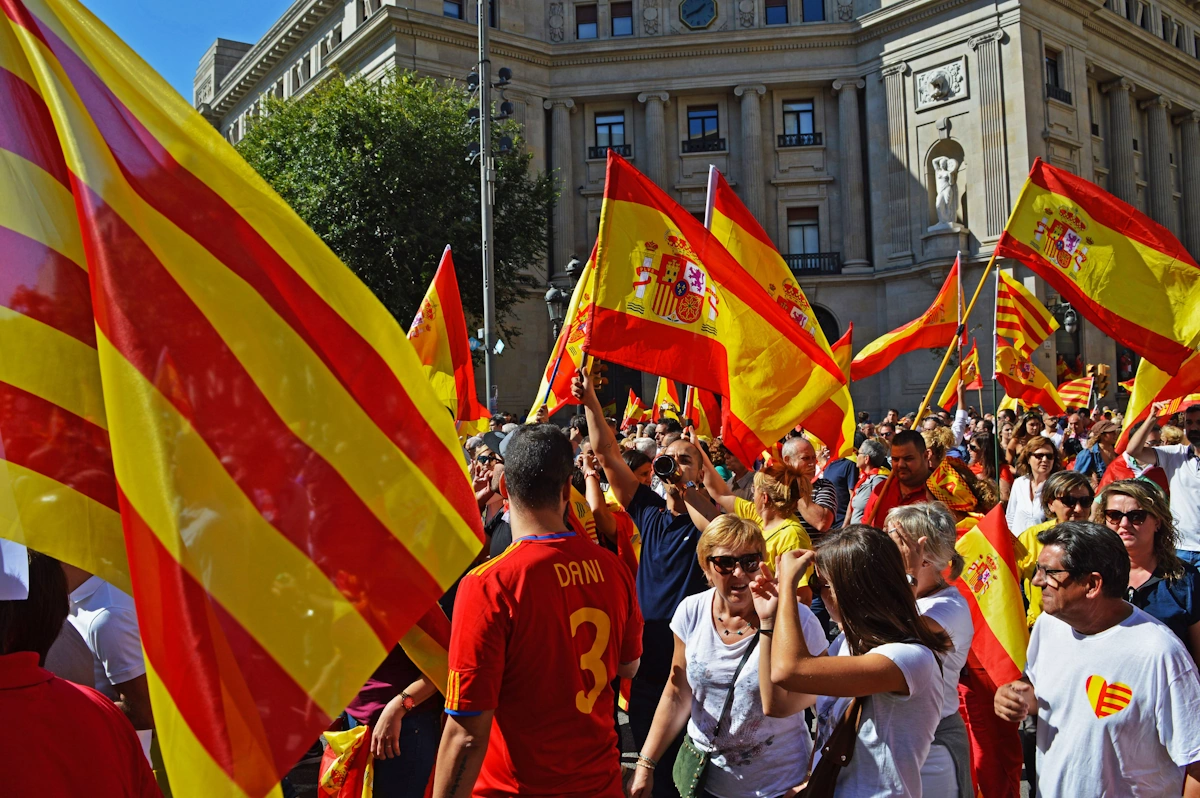
12 October: Spain’s National Day and Día de la Hispanidad
Discover why Spain celebrates 12 October as its National Day, its history, the Día de la Hispanidad and what the holiday means in Catalonia.
8 Oct 2026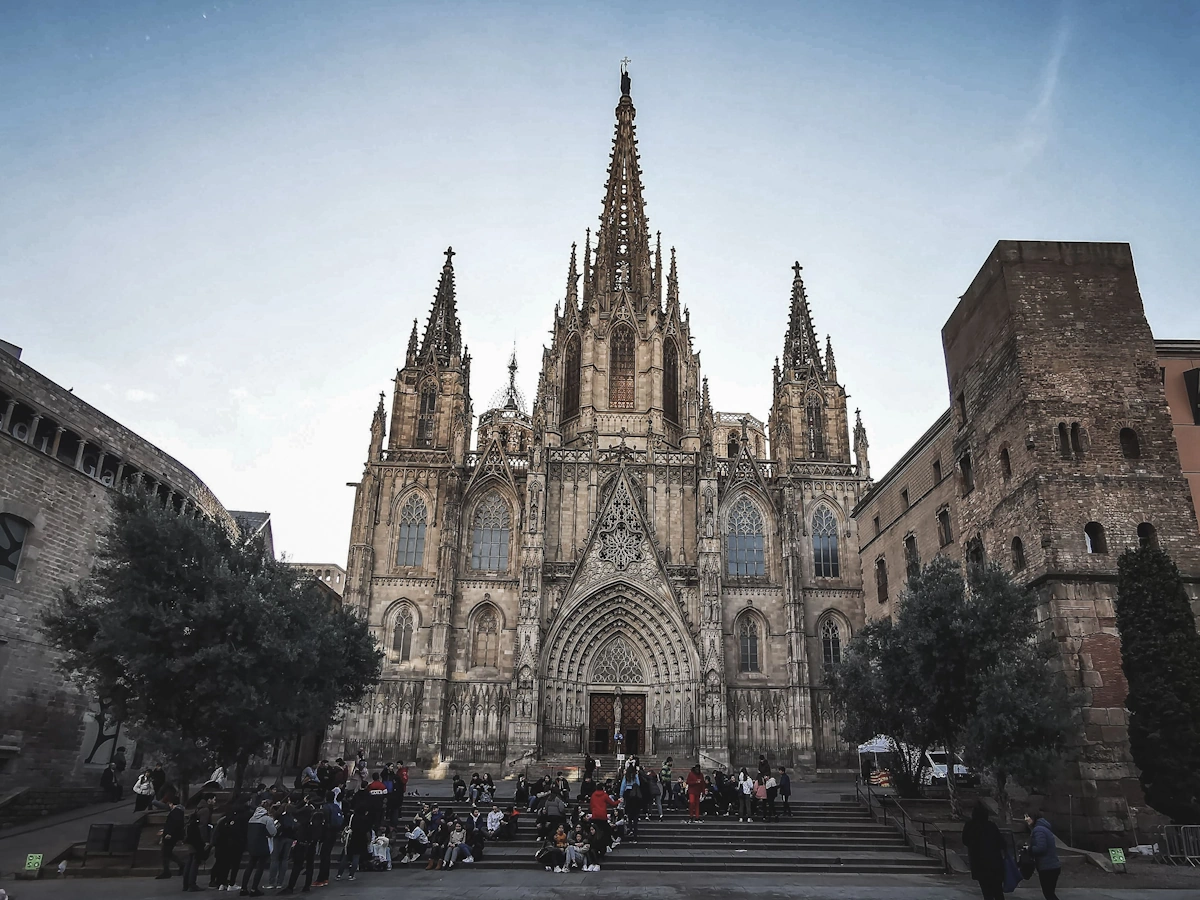
Catedral de Barcelona: History, Construction and Interesting Facts
Discover Barcelona Cathedral’s history, from its ancient foundations and Gothic construction to its Neo-Gothic façade, famous figures and fascinating facts.
2 Oct 2026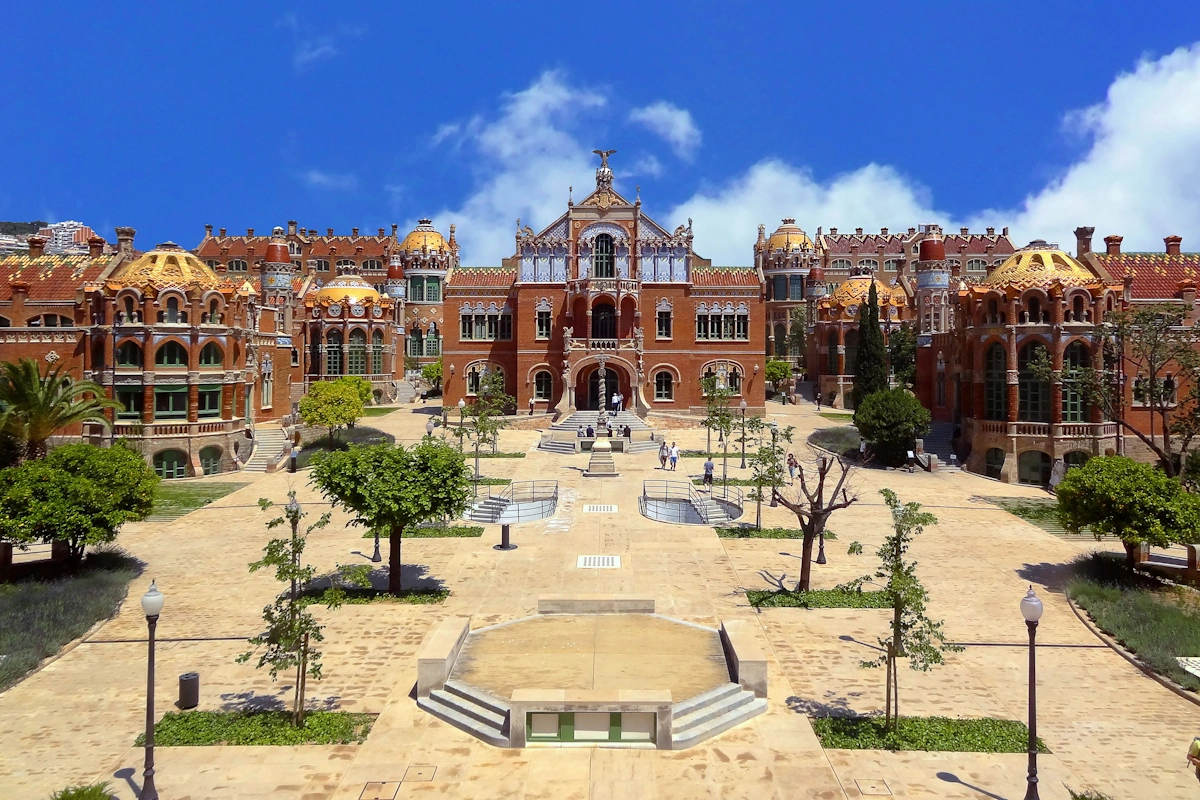
Hospital de Sant Pau Barcelona: History, Architecture and Legacy
Discover Hospital Sant Pau Barcelona, from its medieval origins and Modernista architecture to its medical history, UNESCO status and present-day role.
1 Oct 2026
Comments
Comments
Loading comments...
Sign in to leave a comment