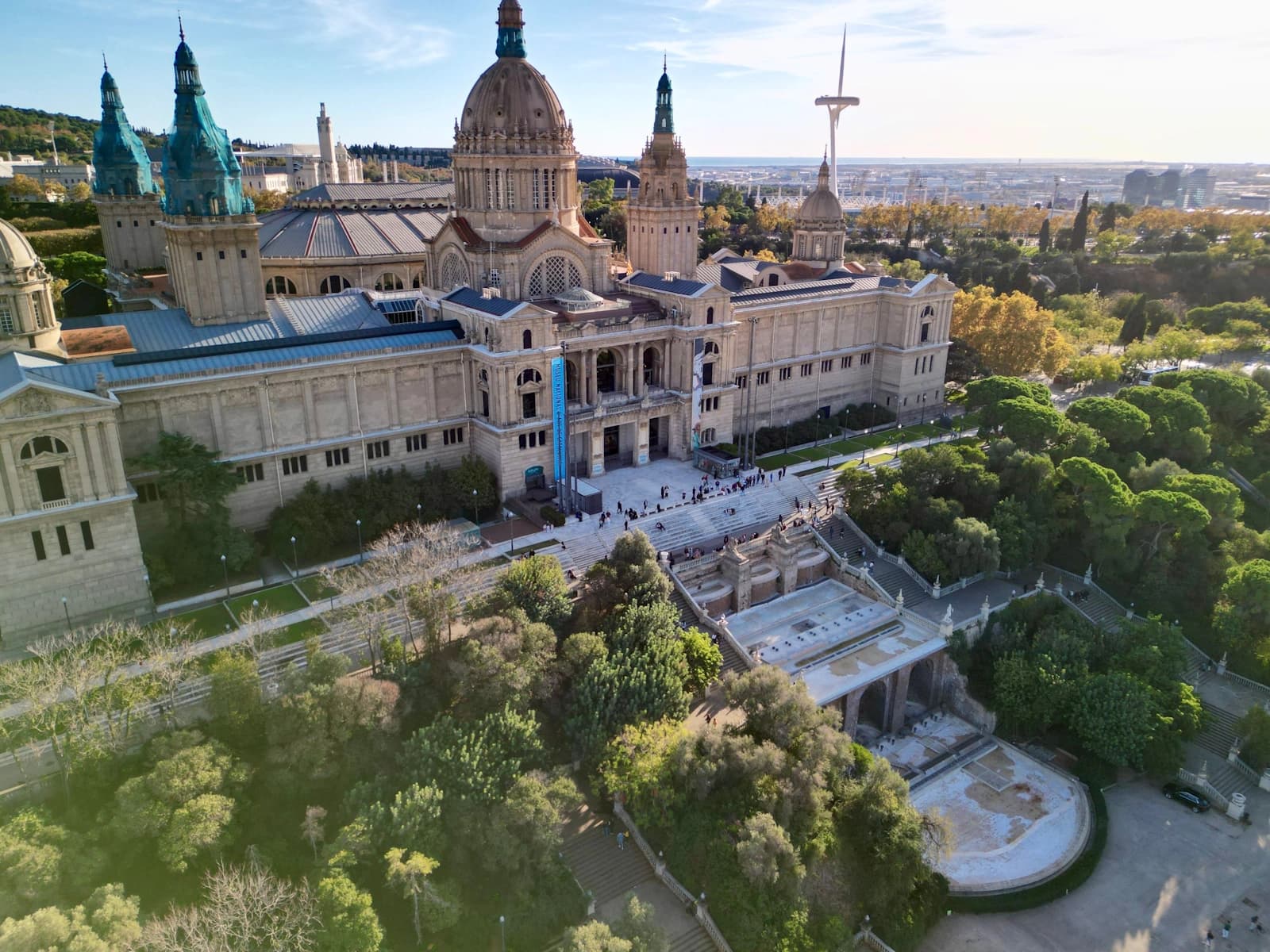
Montjuïc Mountain: History, Castle and the Transformation of Barcelona
Discover the history of Montjuïc Mountain in Barcelona, from its ancient settlements and strategic role in defending the city to Montjuïc Castle, the 1929 World’s Fair and the 1992 Olympic Games.
A Mountain Watching Over Barcelona
Rising to around 175 metres above sea level, Montjuïc is one of the most important landmarks in Barcelona. Located between the city and the port, the mountain offers wide views over Barcelona and the Mediterranean. But Montjuïc is much more than a viewpoint. For thousands of years, it has been a place of settlement, quarrying, defence, politics, sport and culture.
According to the city of Barcelona, Montjuïc has been inhabited, exploited and transformed for around 10,000 years. Its sandstone was also quarried for centuries and used to construct buildings in Barcelona, including parts of the historic city.
The mountain's strategic position made it particularly important. From its summit, it was possible to observe ships approaching the port and monitor movement around the city. A watchtower, known as a farell, stood on the summit during the Middle Ages.
The Origins of Montjuïc's Defence
Montjuïc became a major military position during the Reapers' War, which began in 1640. Barcelona was threatened by the forces of the Spanish monarchy, and the city needed to strengthen its defences quickly.
In 1641, Barcelona's authorities ordered the construction of a small fort around the existing medieval watchtower. The fortification was built remarkably quickly—in about 30 days—because Spanish troops were approaching the city. On 21 January 1641, the newly built fort played an important role in the Battle of Montjuïc, where the attacking royal forces were defeated.
This early fort was the beginning of what would eventually become Montjuïc Castle.
Montjuïc Castle
Over the following decades, the fortifications were repeatedly enlarged and strengthened. By the end of the 17th century, the castle had been substantially redesigned, including defensive bastions facing the sea.
The castle became particularly important during the War of the Spanish Succession. In 1705, allied forces captured Montjuïc Castle, helping them to besiege Barcelona. The following year, Bourbon forces attempted to retake it, recognising that control of the mountain was essential to controlling the city.
After the Catalan defeat in 1714, the castle took on another role. It was not only a defence against external enemies but also a means of controlling Barcelona itself. It later became a military prison, and during the 19th and 20th centuries it was associated with imprisonment, political repression and executions. One of the most significant events occurred in 1940, when the Franco dictatorship executed Lluís Companys, president of the Generalitat of Catalonia, at Montjuïc Castle.
From Military Mountain to Exhibition Ground
Montjuïc began changing dramatically in the 20th century. The 1929 International Exposition transformed large areas of the mountain, creating monumental buildings, gardens, avenues and exhibition spaces.
Many of the landmarks visitors see today have their origins in this period. The mountain became a place for architecture, art, tourism and public events rather than simply a military stronghold.
The transformation continued several decades later. During preparations for the 1992 Barcelona Olympic Games, Montjuïc became one of the main centres of the Olympics. Sporting facilities and public spaces were improved, while new gardens and infrastructure made the mountain more accessible.
Montjuïc Today
Today, Montjuïc has almost completely changed its role. The castle ceased to be a military facility in 1960, and the mountain is now one of Barcelona's largest cultural and recreational areas.
Visitors can explore Montjuïc Castle, museums, gardens, sports facilities and historic buildings, while the mountain is also home to venues connected with the 1929 exhibition and the 1992 Olympics.
Montjuïc is therefore a remarkable example of how Barcelona has repeatedly reinvented the same piece of land. What was once a prehistoric settlement, a source of building stone and a strategic military position has become a green cultural landscape overlooking the city.
Its history also explains why Montjuïc feels different from the rest of Barcelona. Among the gardens and museums are the remains of a mountain that once guarded the city—and a castle that witnessed some of the most difficult chapters in Catalonia's history.
Ready to explore Barcelona?
Build your personalised itinerary in 30 seconds — starting from your hotel.
Build my Barcelona route →Related articles
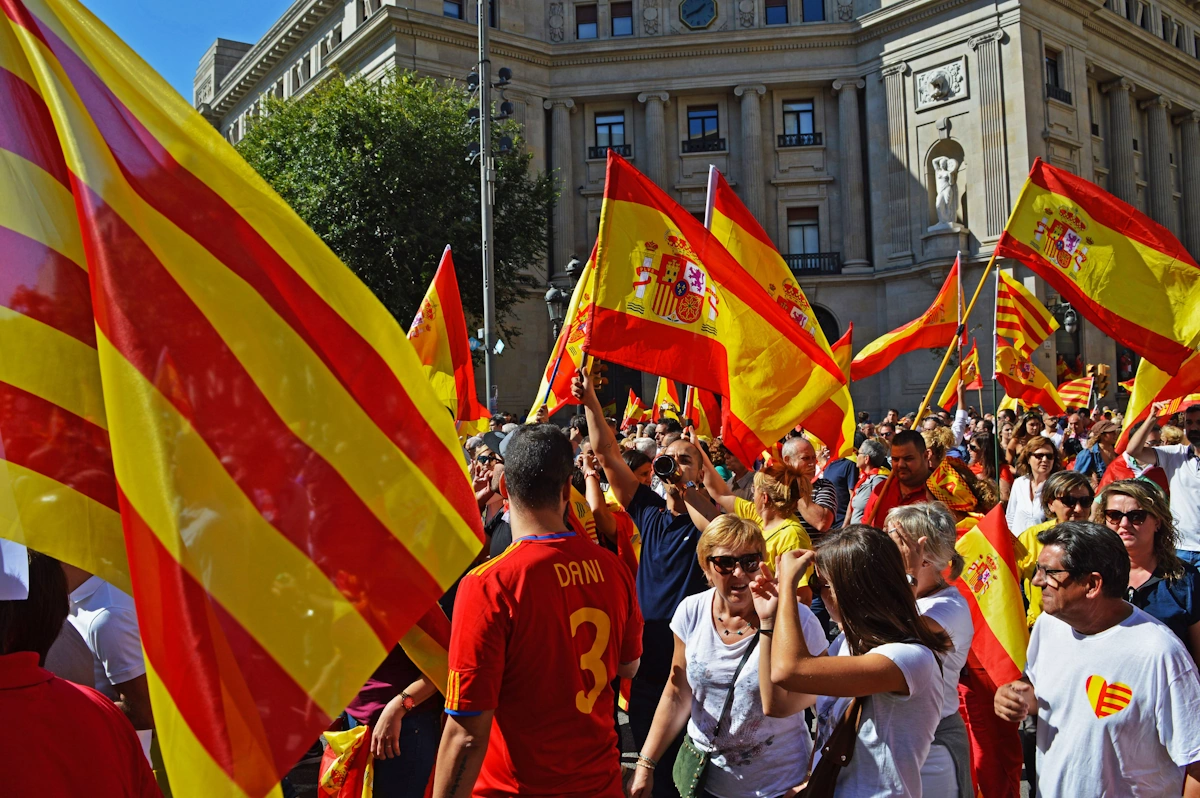
12 October: Spain’s National Day and Día de la Hispanidad
Discover why Spain celebrates 12 October as its National Day, its history, the Día de la Hispanidad and what the holiday means in Catalonia.
8 Oct 2026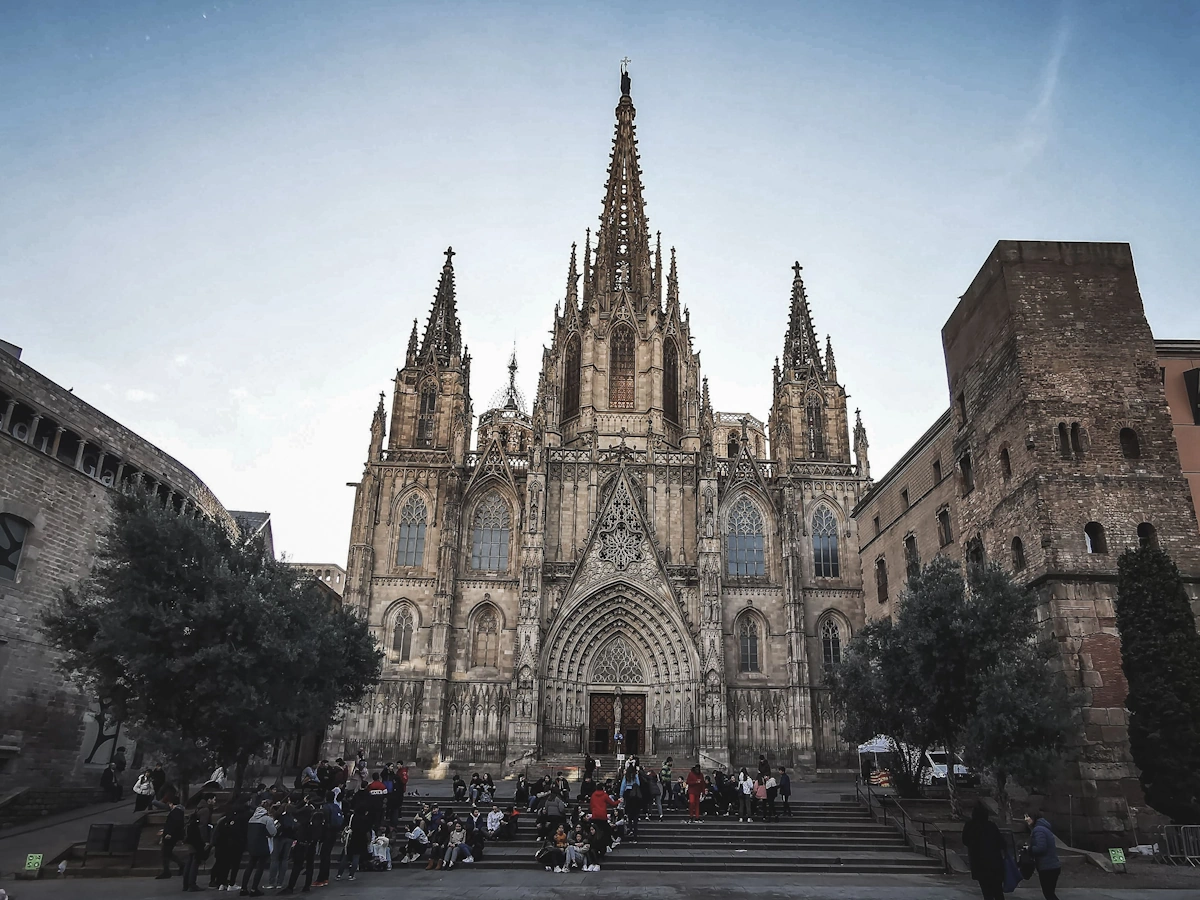
Catedral de Barcelona: History, Construction and Interesting Facts
Discover Barcelona Cathedral’s history, from its ancient foundations and Gothic construction to its Neo-Gothic façade, famous figures and fascinating facts.
2 Oct 2026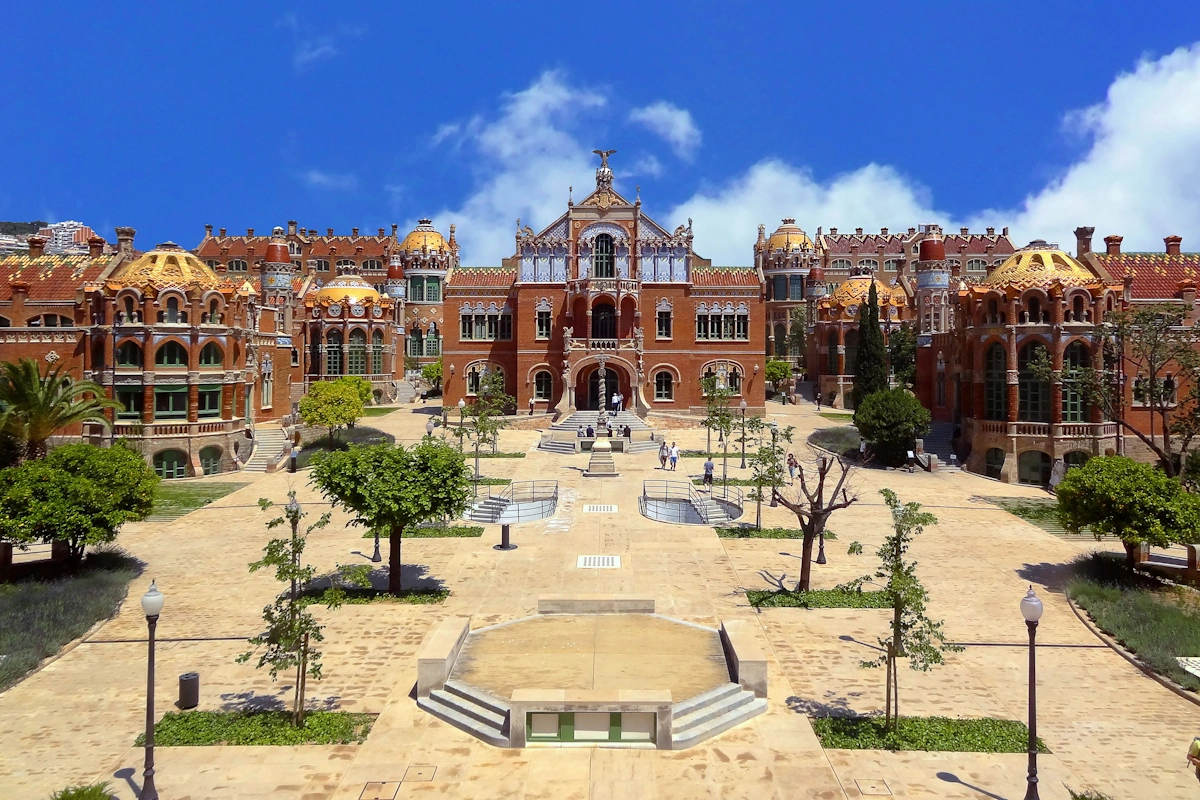
Hospital de Sant Pau Barcelona: History, Architecture and Legacy
Discover Hospital Sant Pau Barcelona, from its medieval origins and Modernista architecture to its medical history, UNESCO status and present-day role.
1 Oct 2026
Comments
Comments
Loading comments...
Sign in to leave a comment