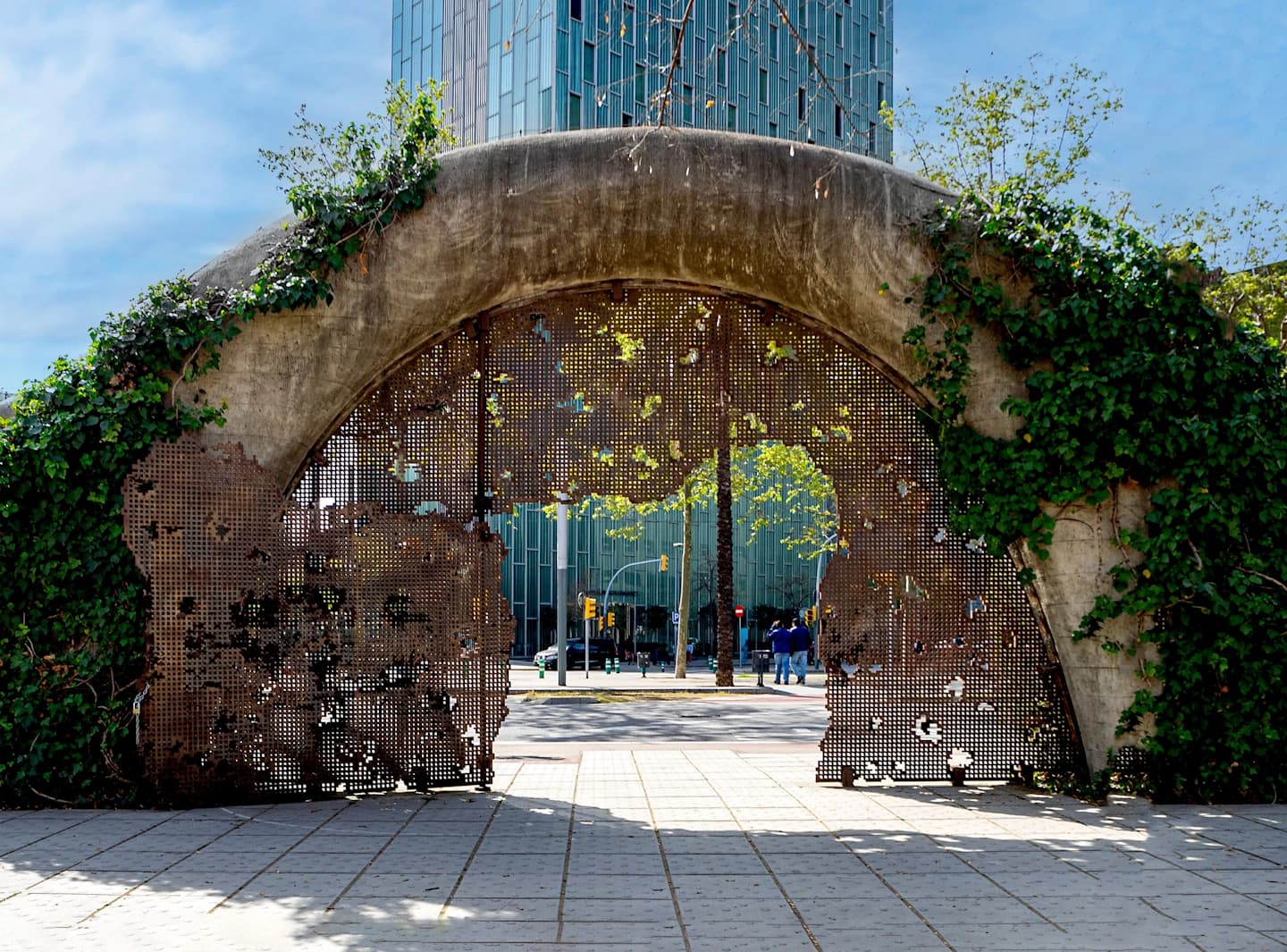
Poblenou Barcelona: From Industrial District to Modern Neighbourhood
Discover Poblenou in Barcelona, from its industrial past as the “Catalan Manchester” to its transformation into a modern neighbourhood of old factories, creative spaces, beaches and the 22@ technology district.
Where Is Poblenou?
Poblenou is a neighbourhood in Barcelona's Sant Martí district, located between the city centre and the Mediterranean coast. Today it is known for its beaches, restaurants, cafés, creative businesses and modern architecture, but its appearance can be surprising if you know its history.
Behind the contemporary buildings are old factories, warehouses, workers' homes and industrial chimneys that reveal the neighbourhood's former role as one of Barcelona's most important manufacturing areas.
From Wetlands to Industry
The area that became Poblenou was originally very different from today's neighbourhood. It included low-lying, wet areas close to the sea and formed part of the former municipality of Sant Martí de Provençals.
During the 18th century, the area was used for agriculture and for activities connected with the textile industry. Its transformation accelerated during the 19th century because it offered several advantages for factories: inexpensive land, access to water, proximity to the port and railway connections.
The arrival of the railway linking Barcelona with Mataró in 1848 was particularly important. Factories increasingly appeared around the railway and along the roads leading towards the coast.
The “Catalan Manchester”
By the second half of the 19th century, Poblenou had become one of the largest industrial concentrations in Barcelona and was popularly known as the “Catalan Manchester.”
Textile factories dominated, but the neighbourhood also contained flour mills, food-processing businesses, chemical factories, metalworking companies, workshops and warehouses. The concentration of steam-powered machinery was particularly remarkable.
Industry brought workers and their families to the area, creating a strong working-class community. Cooperatives, workers' associations and other organisations became an important part of neighbourhood life, providing social activities, education and mutual support.
The industrial landscape also changed the physical appearance of Poblenou. Chimneys became part of the skyline, and many workers lived close to the factories where they worked.
A Neighbourhood Facing the Sea
For much of the 20th century, Poblenou was separated from Barcelona's centre and, in many ways, from the sea itself.
The coastline was heavily industrialised, while railway infrastructure created physical barriers. Informal settlements, including Somorrostro and Pequín, also developed along the coast. By the 1940s, the neighbourhood's landscape was a mixture of factories, workers' housing and seaside settlements.
From the 1960s onwards, Barcelona's industrial structure began to change. Many factories closed or moved to areas outside the city, leaving behind empty industrial buildings and unused land. The decline of the textile industry during the 1970s accelerated this process.
The 1992 Olympic Transformation
One of the biggest changes came with the 1992 Barcelona Olympic Games.
The city transformed large sections of the former industrial coastline, creating new roads, public spaces and access to the sea. The railway infrastructure was modified, the coastal area was recovered and the Olympic Village was built nearby.
These changes helped reconnect Poblenou with the Mediterranean and with the rest of Barcelona. The opening of the renovated coastline also helped create the modern beach neighbourhood that visitors know today.
22@: From Factories to Innovation
Another major chapter began with the 22@ Barcelona project, which transformed former industrial land into an area intended for new economic activities, technology, research, design and knowledge-based businesses.
Rather than completely removing Poblenou's industrial identity, the transformation has often incorporated historic factories into the new neighbourhood. Former industrial buildings have been converted into offices, educational spaces, creative studios and other uses.
This mixture gives Poblenou a distinctive appearance: a modern office or residential building can stand next to a 19th-century factory or an old industrial chimney.
What Is Poblenou Like Today?
Modern Poblenou combines several different sides of Barcelona. The Rambla del Poblenou is the traditional social centre, with cafés, restaurants, shops and local businesses. Further towards the coast are beaches, promenades and parks.
At the same time, former industrial streets such as Pere IV preserve traces of the neighbourhood's manufacturing past, while the 22@ area has brought technology companies, creative industries and new workplaces.
The neighbourhood is therefore neither simply an old industrial district nor a completely modern development. Its character comes from the combination of both.
the medieval centre and Gaudí's monuments, and more about industrial heritage, local neighbourhood life, contemporary architecture and the Mediterranean.
That mixture is what makes Poblenou one of the most interesting examples of how Barcelona has changed from an industrial city into a modern Mediterranean metropolis.
Ready to explore Barcelona?
Build your personalised itinerary in 30 seconds — starting from your hotel.
Build my Barcelona route →Related articles
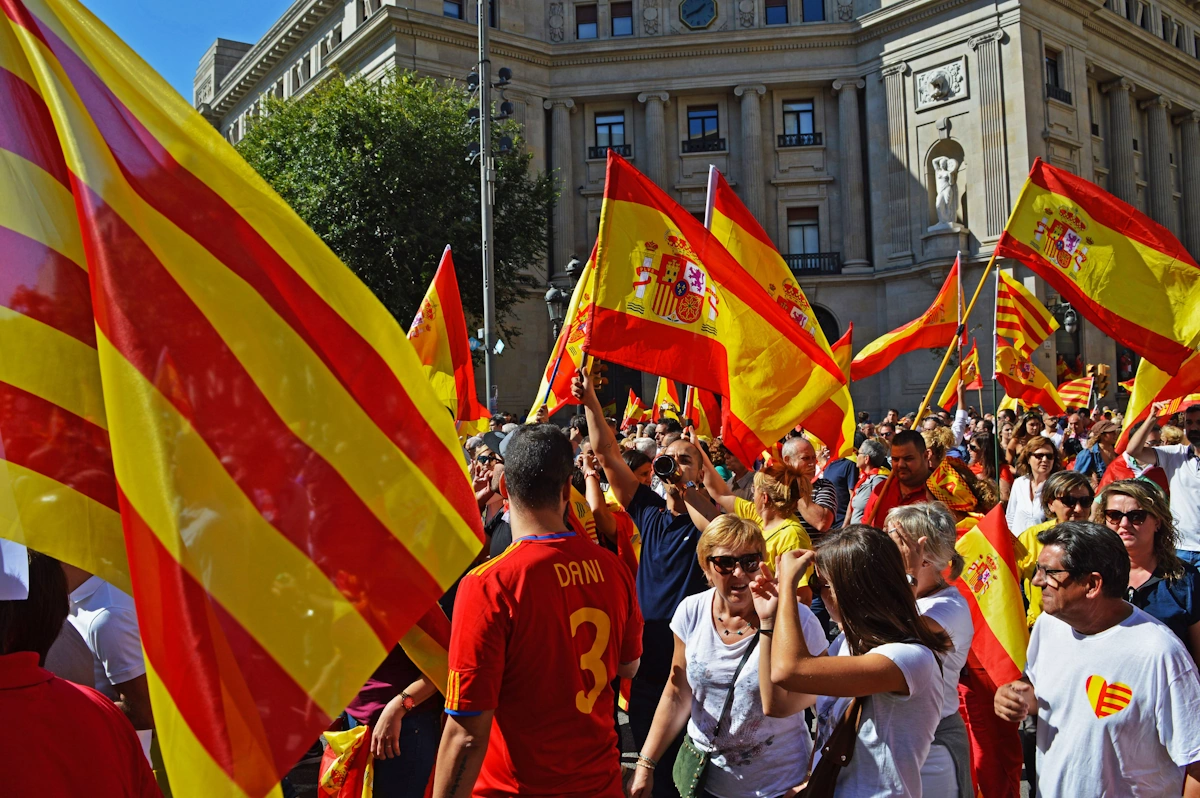
12 October: Spain’s National Day and Día de la Hispanidad
Discover why Spain celebrates 12 October as its National Day, its history, the Día de la Hispanidad and what the holiday means in Catalonia.
8 Oct 2026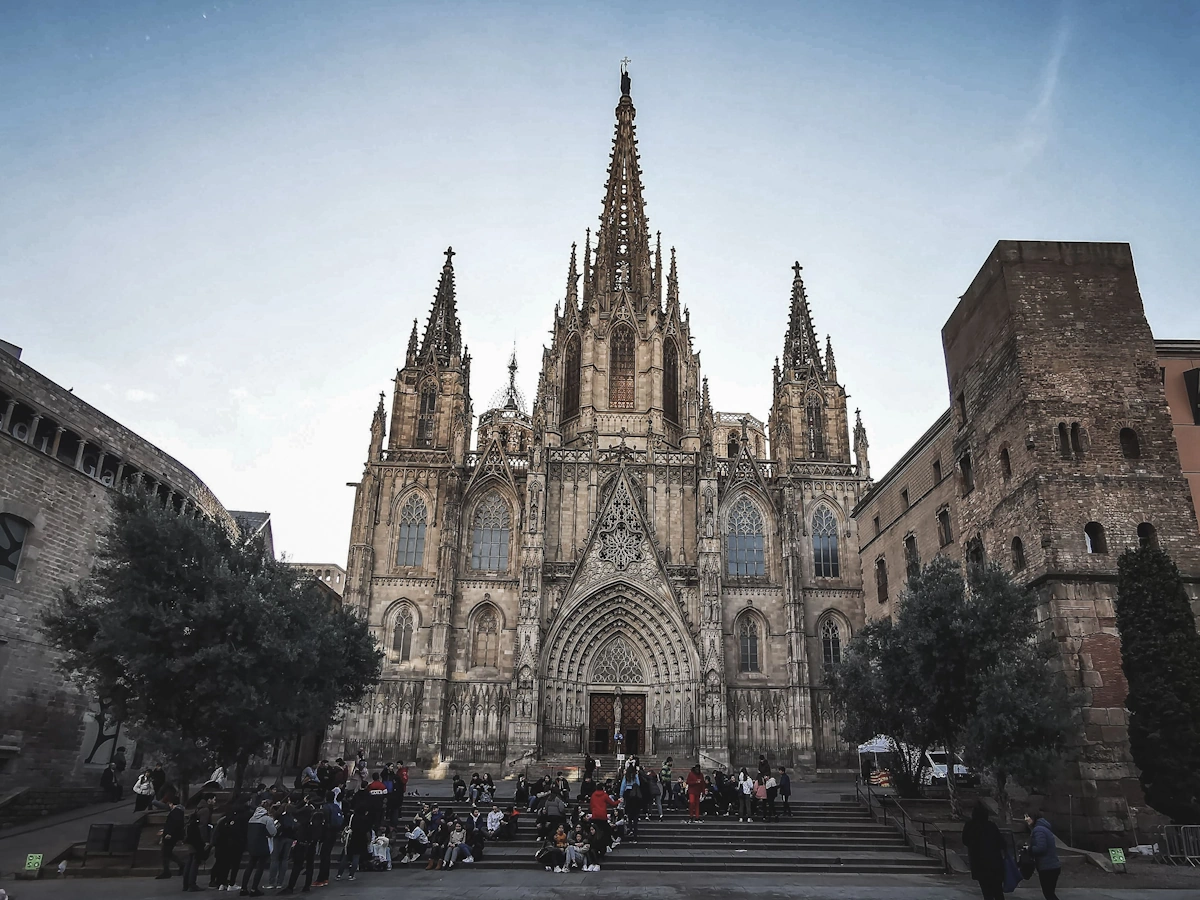
Catedral de Barcelona: History, Construction and Interesting Facts
Discover Barcelona Cathedral’s history, from its ancient foundations and Gothic construction to its Neo-Gothic façade, famous figures and fascinating facts.
2 Oct 2026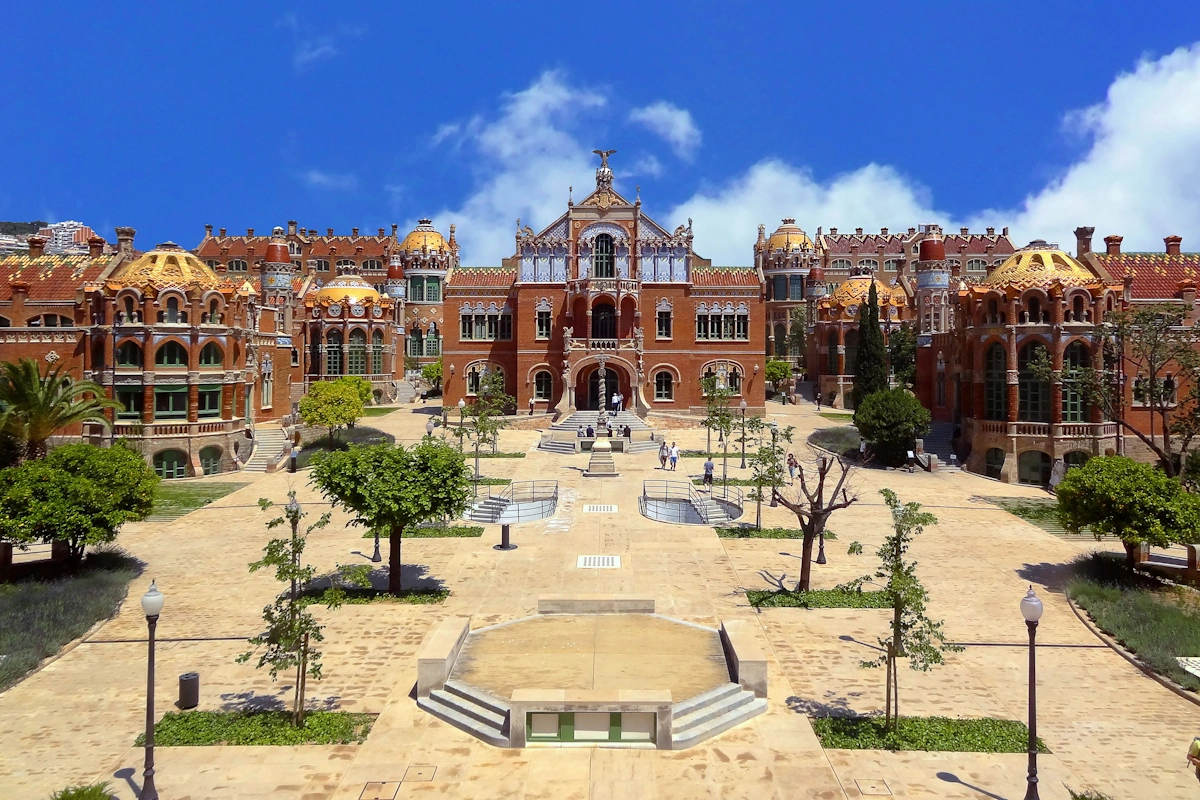
Hospital de Sant Pau Barcelona: History, Architecture and Legacy
Discover Hospital Sant Pau Barcelona, from its medieval origins and Modernista architecture to its medical history, UNESCO status and present-day role.
1 Oct 2026
Comments
Comments
Loading comments...
Sign in to leave a comment