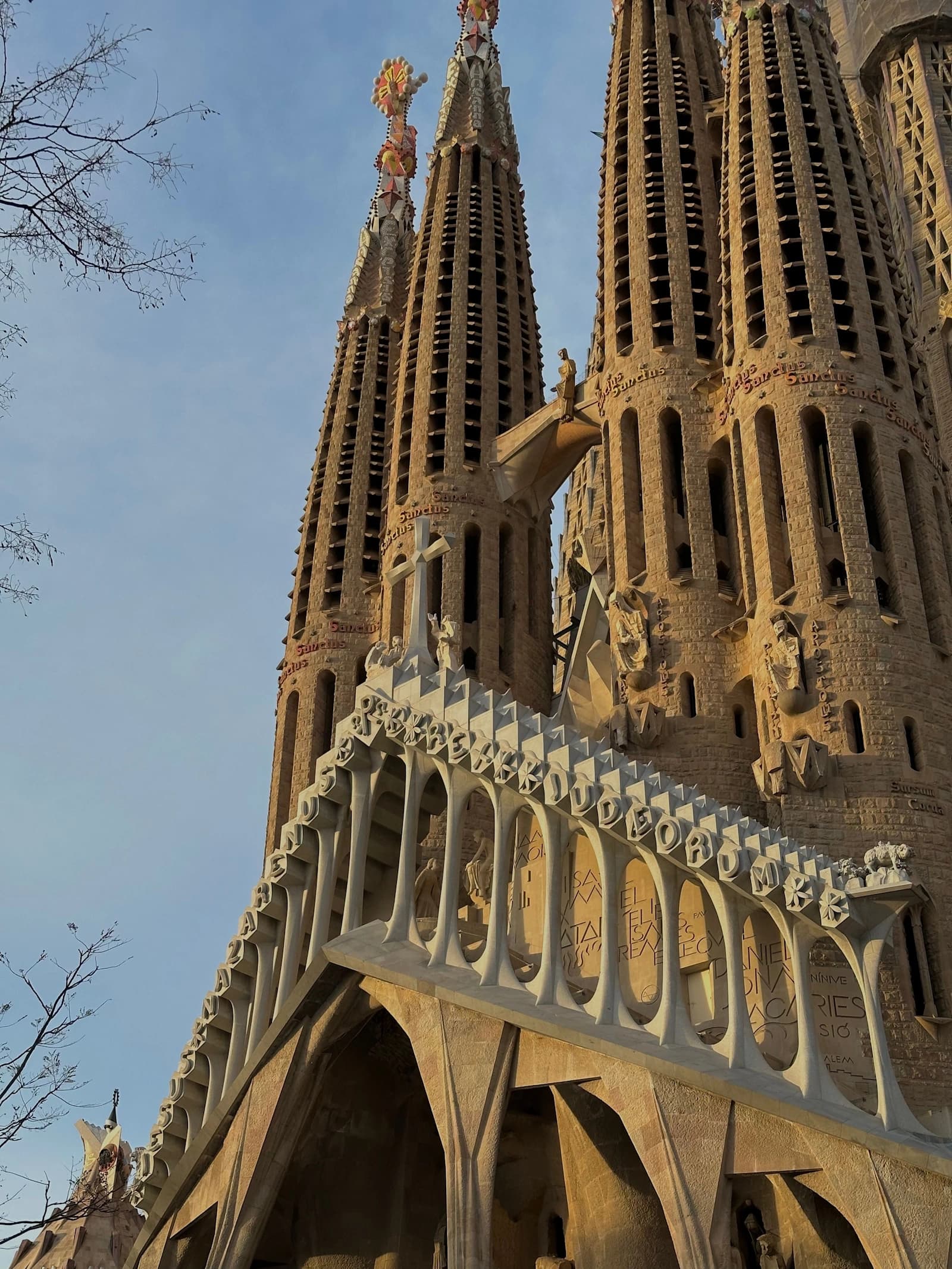
Sagrada Família Barcelona: History, Architecture and Famous Facts
Discover the history of Sagrada Família in Barcelona, Antoni Gaudí’s extraordinary unfinished basilica. Learn about its construction, architecture, symbolism, famous towers and why it has become the symbol of Barcelona.
Sagrada Família: Barcelona’s Most Famous Landmark
Few buildings are as closely connected with a city as the Sagrada Família is with Barcelona. Rising above the Eixample district with its unusual towers, detailed façades and colourful stained glass, Antoni Gaudí’s masterpiece has become one of the most recognisable buildings in the world.
The Sagrada Família is not simply a church or a tourist attraction. It is a remarkable combination of architecture, sculpture, religion, engineering and Catalan modernisme. And perhaps its most famous feature is that, more than 140 years after construction began, it is still unfinished.
A Project That Started Before Gaudí
Construction officially began on 19 March 1882, when the foundation stone was laid on the feast of Saint Joseph. The original architect was Francisco de Paula del Villar, who designed the project in a Neo-Gothic style.
However, Villar left the project soon afterwards, and in 1883 Antoni Gaudí took over. This changed everything. Instead of simply continuing the original design, Gaudí completely reimagined the building and turned it into a much more ambitious project.
Gaudí would eventually dedicate more than forty years of his life to the Sagrada Família. From 1914 onwards, he worked exclusively on the temple until his death in 1926. He became so closely associated with the project that he eventually lived in a workshop on the construction site.
Architecture Inspired by Nature
One of the reasons the Sagrada Família is so unusual is Gaudí’s approach to architecture. He looked closely at nature and used natural forms to solve architectural problems.
Inside the basilica, the columns branch upwards like trees, creating the impression of a huge stone forest. Light enters through the stained-glass windows and changes the atmosphere of the interior throughout the day. The building combines structural innovation with religious symbolism, creating a space that feels very different from a traditional Gothic church.
The basilica has three principal façades: the Nativity, the Passion and the Glory. Each has its own artistic language and religious meaning.
The Nativity Façade is the part most closely associated with Gaudí himself. It is filled with detailed sculptures representing the birth of Jesus, nature and different biblical figures. Gaudí personally oversaw much of its development and completed the tower dedicated to Saint Barnabas—the only apostolic tower he lived to see finished.
The Passion Façade, by contrast, has a much more dramatic and severe appearance. Its sculptures were created by Catalan artist Josep Maria Subirachs in the second half of the 20th century, giving this side of the building a distinctly modern character.
Why Did It Take So Long?
The enormous scale and complexity of the Sagrada Família are only part of the answer. The project has also experienced wars, political changes, financial difficulties and interruptions.
During the Spanish Civil War, Gaudí’s workshop was vandalised in 1936. Plans, photographs and plaster models were destroyed or damaged. Later architects and craftsmen had to reconstruct parts of his work using the material that survived, together with photographs and published drawings.
Another important fact is that the Sagrada Família was designed as an expiatory temple, meaning that its construction was financed through donations rather than being a conventional state-funded building. This tradition has continued to shape the project.
A UNESCO World Heritage Site
The Sagrada Família is also recognised internationally for its cultural importance. In 2005, the Nativity Façade and crypt were added to the UNESCO World Heritage list as part of the works of Antoni Gaudí.
In 2010, Pope Benedict XVI consecrated the building as a basilica, allowing it to become an active place of Catholic worship as well as a major cultural landmark.
A Symbol of Barcelona
Today, the Sagrada Família represents much more than Antoni Gaudí. Its silhouette has become part of Barcelona’s identity and one of the defining images of Catalonia around the world.
For visitors, seeing it from outside is already impressive, but entering the basilica reveals another side of the building. The extraordinary interior, changing light, enormous columns and detailed architecture make it clear why the Sagrada Família is considered one of Europe's great architectural landmarks.
Perhaps the most fascinating thing about the building is that it remains a living project. Every generation has watched it change, and today's visitors are seeing a chapter in a story that began in 1882. The Sagrada Família is therefore not only a monument to Barcelona's past—it is also a building still becoming part of its future.
Ready to explore Barcelona?
Build your personalised itinerary in 30 seconds — starting from your hotel.
Build my Barcelona route →Related articles
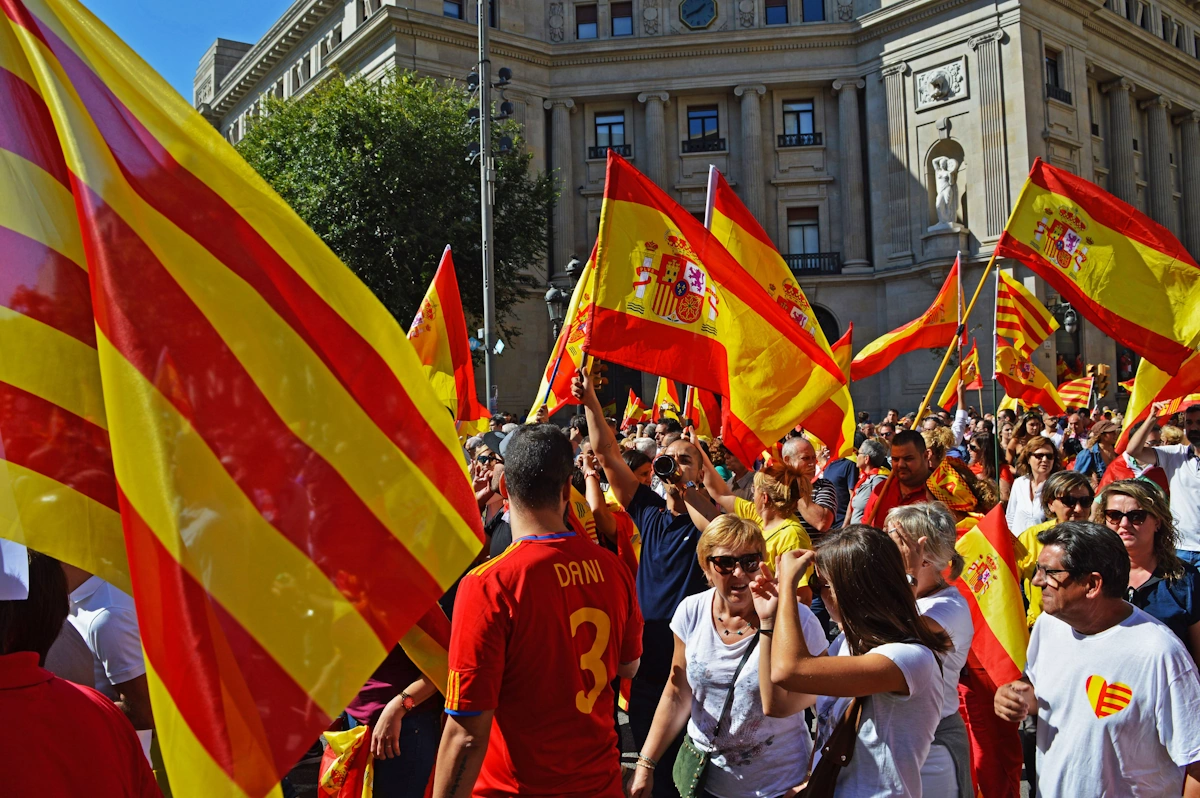
12 October: Spain’s National Day and Día de la Hispanidad
Discover why Spain celebrates 12 October as its National Day, its history, the Día de la Hispanidad and what the holiday means in Catalonia.
8 Oct 2026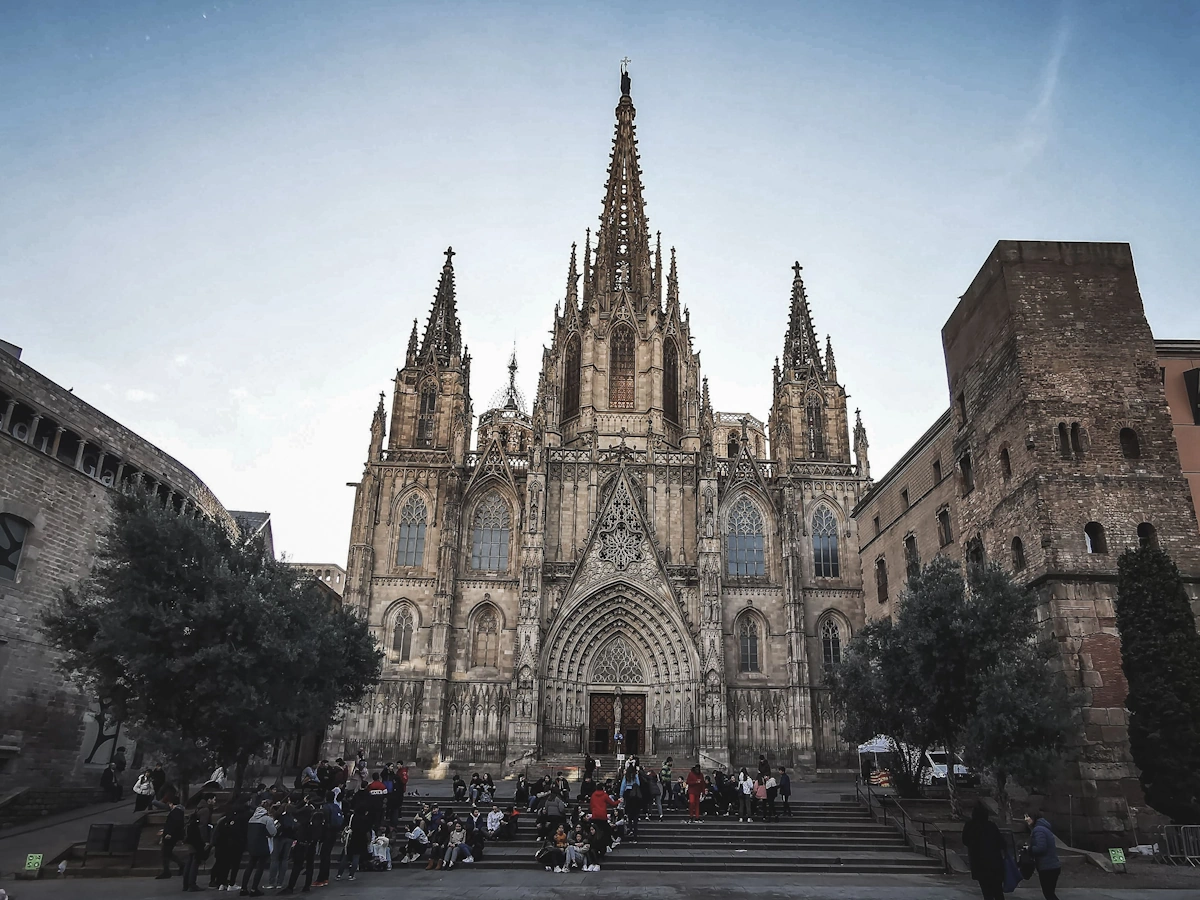
Catedral de Barcelona: History, Construction and Interesting Facts
Discover Barcelona Cathedral’s history, from its ancient foundations and Gothic construction to its Neo-Gothic façade, famous figures and fascinating facts.
2 Oct 2026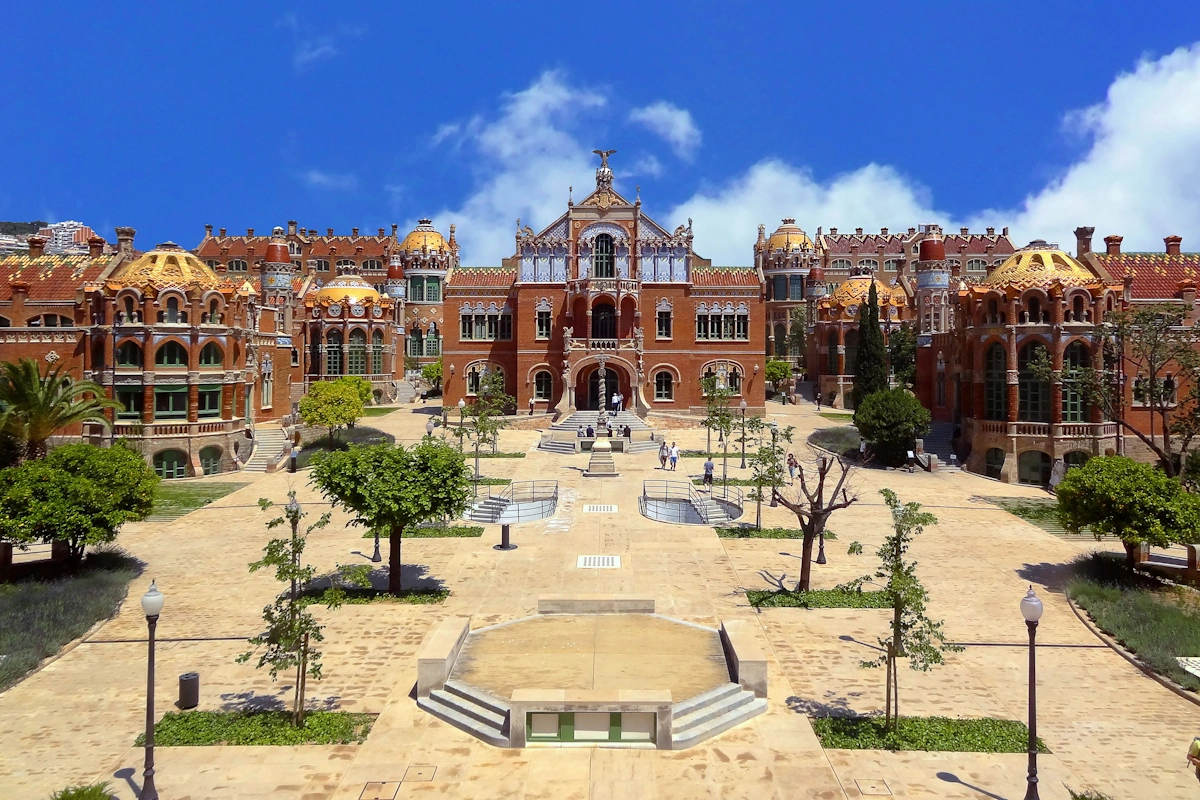
Hospital de Sant Pau Barcelona: History, Architecture and Legacy
Discover Hospital Sant Pau Barcelona, from its medieval origins and Modernista architecture to its medical history, UNESCO status and present-day role.
1 Oct 2026
Comments
Comments
Loading comments...
Sign in to leave a comment